

Places to Snorkel Maui
The top 5 snorkeling spots in Maui are Molokini Crater, Honolua Bay, Turtle Town (Maluaka Beach), Olowalu reef and Kapalua Bay. Each offers crystal-clear visibility, vibrant coral reefs, and a diverse range of marine life that makes Maui one of the premier snorkeling destinations in the entire United States.
I almost missed Olowalu entirely on my first Maui trip.
My friend texted me “mile marker 14, just pull over” and I thought she was joking. There’s no sign, no parking lot, no snorkel rental shack. Just a gravel shoulder on a highway with a few random cars parked sideways. I almost kept driving.
Glad I didn’t. Thirty seconds after putting my mask on I was floating above the biggest reef I’d seen outside of a scuba trip. A turtle cruised past me like I wasn’t even there.
That’s kind of the thing with Maui snorkeling. The spots that look the most impressive from the road are sometimes the least interesting underwater, and the ones that look completely unremarkable lead to some of the best marine life you’ll see anywhere in the United States.
I’ve been to Maui four times now — twice in summer, once in October, once in February and I’ve snorkeled way more beaches than I probably needed to. This list covers the top snorkeling spots in Maui that I actually recommend when friends ask where to go. Not what looks good in a travel brochure. The real spots, honest assessments, with the stuff that actually matters when you’re standing on a beach trying to figure out if it’s worth getting wet.
Why Maui Though — Isn't All Hawaiian Snorkeling Similar?
Not even close, honestly. I thought the same thing before my first trip.
Maui has a weird combination of geography going for it. The island’s volcanic history created a coastline that is genuinely bizarre in its variety ancient lava flows that hit the ocean and hardened into underwater cave systems, crater walls that drop 300 feet straight down, shallow fringing reefs that stretch for miles in almost perfectly calm water. All of that within maybe 40 miles of each other.
A big chunk of the coastline also falls inside Marine Life Conservation Districts, which means no fishing, no collecting, no messing with the ecosystem at all. Fish in these zones behave completely differently than fish in unprotected areas. They don’t scatter the second you swim near them. After a few generations of zero fishing pressure, they’ve basically forgotten to be afraid of humans. That changes what snorkeling feels like in a way that’s hard to explain until you experience it.
Water temperature is comfortable year-round low 80s in summer, mid-70s in winter. You don’t need a wetsuit for most of it, though a shorty is nice from December through March if you’re cold-sensitive.
When people ask me about the best snorkeling spots in Maui, I always say the same thing: the island rewards people who do a little homework before they show up. The difference between a mediocre snorkel session and an unforgettable one is usually just timing, conditions, and knowing which stretch of reef is worth your morning.
The Top 5 Snorkeling Spots in Maui - Honest, Unfiltered
1. Molokini Crater
I’m going to start here because if you only do one snorkel during your entire Maui trip, this is the one. I know that sounds like typical travel writing hyperbole. I promise it isn’t.
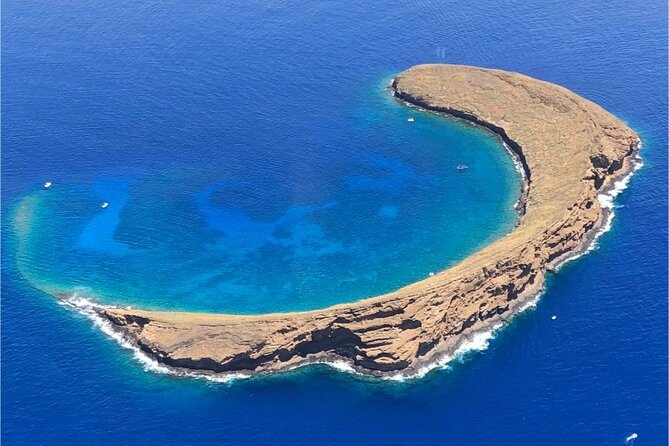
Molokini is a half-submerged volcanic crater sitting about three miles off Maui’s south coast. You can see it from the shore near Kihei on a clear day this little crescent-shaped island poking out of the water. What you can’t see from shore is the visibility inside that crater, which on a good morning reaches somewhere between 100 and 150 feet. I’ve snorkeled in some genuinely clear water in my life and nothing prepared me for Molokini. I could see the sandy bottom 40 feet below me as clearly as I could see the fish six inches from my mask.
The inner bowl is where snorkelers go depths between maybe 10 and 45 feet, calm and protected by the crater walls. The marine life list here is legitimately impressive: 250+ species of reef fish documented inside the crater, whitetip reef sharks sleeping on the sandy floor (they look terrifying and are completely indifferent to you), eagle rays gliding past the deeper ledges, and schools of fish so thick they actually block your view of the reef behind them.
The outer back wall drops nearly 300 feet and is a scuba spot if that’s got you curious about the difference, we broke down snorkeling vs. scuba diving in full. But for snorkelers, the inner bowl is where the magic happens anyway which is equal parts amazing and deeply unsettling.
You can only get here by boat. Tours leave from Maalaea Harbor, usually very early which is exactly right because you want to be in the water before the wind picks up and before the afternoon crowds arrive. Smaller boats are better. You get more time in the water, the crew actually pays attention to you, and you access quieter sections of the crater that the big party catamarans skip.
As far as top snorkeling spots in Maui go, Molokini sits in its own category. I’ve done this trip twice and would do it again on every single Maui visit without thinking twice.
2. Honolua Bay
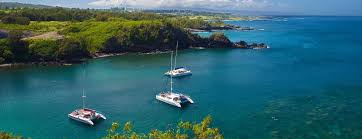
Getting to Honolua Bay feels like the universe is testing your commitment. You drive up the northwestern coast past agricultural land, find a dirt pull-off that looks like someone’s forgotten driveway, and then hike a short rocky path through dense trees toward the sound of the ocean. It’s not glamorous.
Then you get in the water and immediately understand why people make the trip.
Honolua is a Marine Life Conservation District, protected since the 1970s, and the reef reflects decades of being left completely alone. The coral here has had time to build into something genuinely complex big table corals the size of dining room tables, massive rounded boulders covered in different species, narrow channels between formations that funnel fish into corridors where you can just hover and watch the parade.
The fish populations are remarkable. Convict tang school in the hundreds here, moving in those tight synchronized formations where the whole group turns at once. Parrotfish are everywhere and enormous some of the biggest I’ve seen anywhere in Hawaii. I spotted an octopus on my second visit, tucked under a ledge on the right side of the bay, completely invisible until it shifted slightly and gave itself away. Moray eels are common if you look inside the crevices rather than just at the open reef.
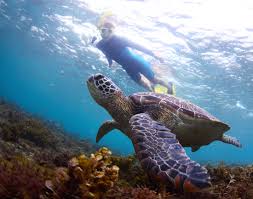
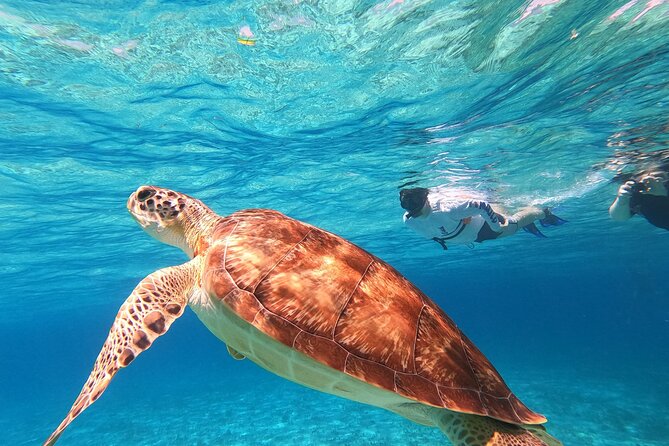
Green sea turtles are almost guaranteed if you visit in summer. They feed on algae growing on the coral heads and are so accustomed to snorkelers that they just keep eating while you float three feet above them.
Among the best snorkeling spots in Maui that are accessible from shore, Honolua is the one that surprises people the most because nothing about the approach suggests what’s waiting underneath.
One thing to be straight about: Honolua Bay is a summer spot for snorkeling. From November through February, northwest swells roll through and transform the bay into a world-class surf break. In those conditions the water is churned up, the entry is dangerous, and snorkeling is genuinely a bad idea. Check surf conditions before making the drive if there’s swell running, go somewhere else that day and come back in summer.
If Honolua Bay is calling your name, our dedicated Honolua Bay snorkeling guide covers the seasonal windows, exact entry tips, and what the reef looks like section by section
3. Turtle Town — Maluaka Beach
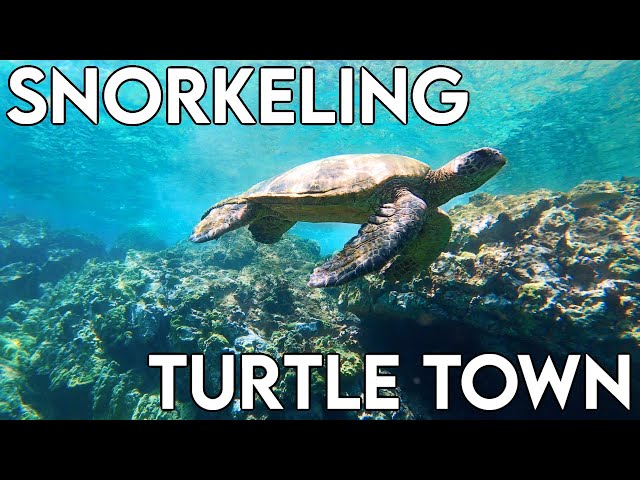
The name sounds like something a resort marketing team invented. It wasn’t. Locals called this stretch of reef in South Maui “Turtle Town” long before it showed up in any guidebook, and the reason is exactly what you’d expect.
The reef along Maluaka Beach grows a specific Hawaiian algae called limu that green sea turtles eat. Combine that with calm, shallow water and minimal boat traffic in the nearshore zone, and turtles have basically decided this is their spot. On a typical morning you might see five or six turtles in the water at once sometimes more. They’re feeding, resting on sandy patches, occasionally just drifting around. Unbothered.
The depth here ranges from about 5 to 20 feet, which makes it comfortable for intermediate snorkelers and anyone reasonably comfortable in the ocean. The bottom mix of lava rock and sand creates good habitat variety turtles feed on the rocky sections and rest on the sandy flats, so you end up covering both terrain types naturally just by following them at a respectful distance.
Further along the reef there’s a lava formation locals call Five Caves natural arches and swim-throughs in the submerged volcanic rock that add something dramatically different to the snorkeling. You go from open reef to swimming through these dark lava tunnels and popping out the other side. It’s one of the more memorable moments I’ve had at any of the top snorkeling spots in Maui, if I’m being honest.
Spotted eagle rays pass through regularly, especially early morning. Spinner dolphins are sometimes visible from the surface before they head offshore around 9 or 10 AM.
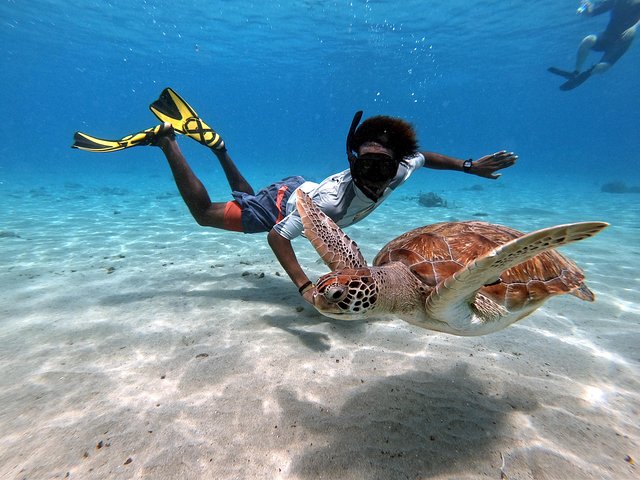
About the turtles specifically Hawaiian green sea turtles are federally protected. Ten foot minimum distance, no touching, no blocking their path to the surface to breathe. I’ve watched people reach out and touch turtles at this beach and beyond being illegal it genuinely stresses the animals out in ways that affect their behavior around boats. Don’t be that person.
Get there before 9 AM. The turtles are most active early, the water is calmest, and the tour boats haven’t arrived yet. Want more detail on this spot specifically? Here’s our full Turtle Town Maui guide. arrived yet.
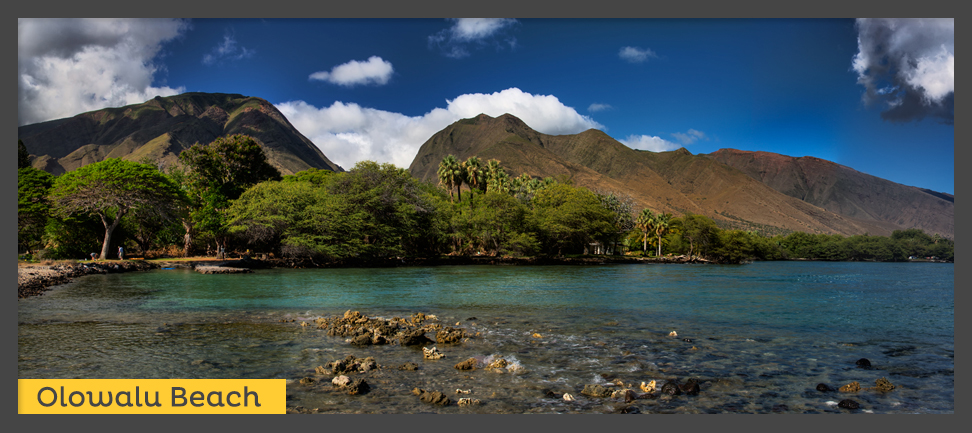
4. Olowalu — The One Locals Don't Advertise
Mile marker 14 on the Honoapiilani Highway. That’s the whole address.
There’s no sign for Olowalu snorkeling. No facility. No rental shop. Just a gravel pullout on the highway between Lahaina and Maalaea that looks like absolutely nothing from the road. This is deliberate. The people who know about Olowalu generally prefer it stays quiet.
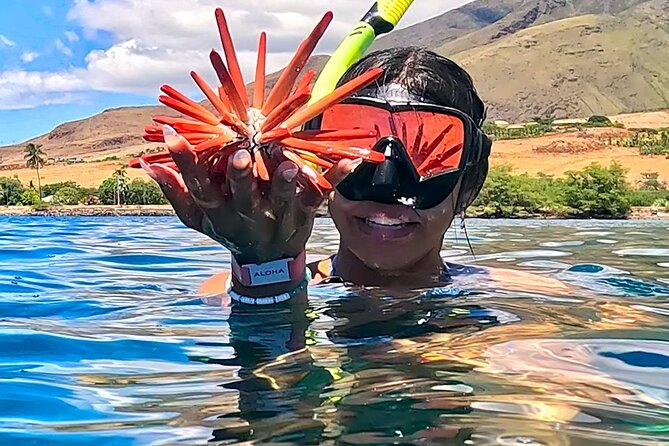
What’s underwater here is the largest fringing reef system on the entire island of Maui. It runs for miles along the coastline, in water that’s mostly 5 to 20 feet deep, with coral coverage that competes with spots getting ten times the visitor traffic. I’m talking dense fields of cauliflower coral, big table coral formations, and an abundance and variety of reef species that honestly surprised me given how casual the access point looks.
The entry near mile marker 14 is sandy and gradual, which makes Olowalu unusually welcoming for a spot with reef this good. You walk in slowly, visibility opens up within a few feet of the shore, and within a couple minutes you’re floating above healthy coral with fish everywhere around you.
Green sea turtles are extremely common here. The algae growth on the massive reef supports a resident turtle population and you’ll typically encounter multiple turtles on any given morning visit. Parrotfish are huge and plentiful. I watched a large parrotfish take chunks out of coral at Olowalu with a crunching sound I could hear clearly through my snorkel, which sounds unpleasant in description but is actually fascinating in person.
Moray eels tuck into the coral crevices throughout the reef. Octopus sightings happen here more than at most shore-accessible snorkeling spots in Maui, if you slow down and look carefully at texture irregularities on the reef surface.
The honest limitation: Olowalu sits in slightly more open water than protected bays like Kapalua, and light southerly winds can stir up the sandy bottom and cut visibility. Come early, come in calm weather, and come during summer months. Avoid it on breezy afternoons when the water gets milky.
Snorkel parallel to shore rather than swimming straight out from the entry point. The best reef runs lengthwise along the coastline, and you’ll see significantly more if you work your way south along the reef edge rather than heading directly offshore.
This is genuinely one of the best snorkeling spots in Maui and the fact that most tourists drive right past it without stopping is, frankly, a gift to the people who know.
5. Kapalua Bay
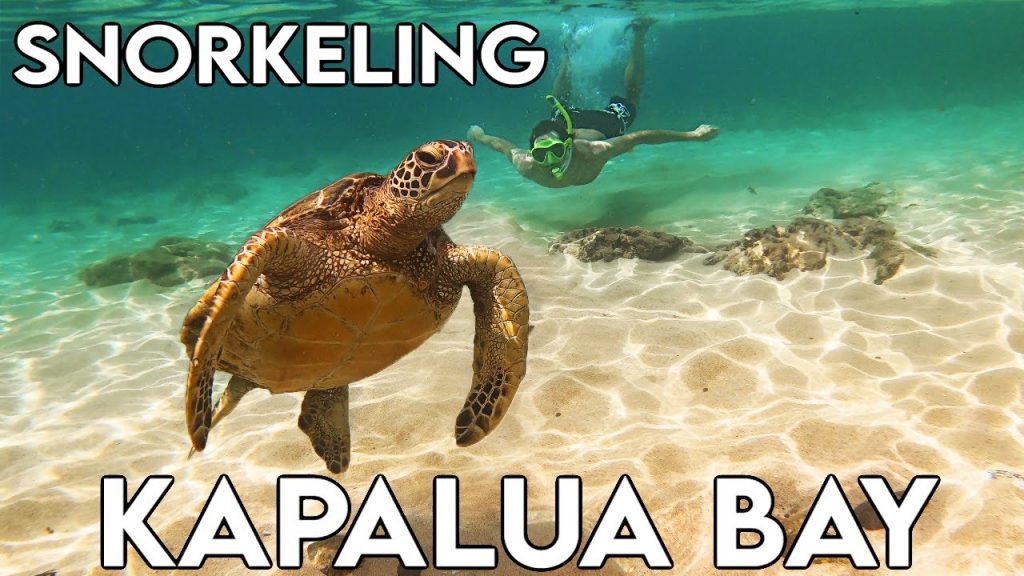
I debated putting Kapalua Bay on this list because it’s already well-known and I wasn’t sure it needed more attention. Then I took a friend there who had never snorkeled in her life, watched her surface after five minutes with an expression I can only describe as overwhelmed in the best way, and reconsidered.
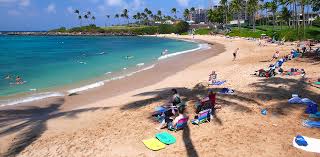
Kapalua Bay is in the northwest of the island, protected by two rocky headlands that block swell and wind from most directions. The result is water that is, on most mornings, genuinely, almost unrealistically calm. Not “calm for the ocean” calm. More like “this feels like a pool” calm. For someone who’s nervous about snorkeling, or who hasn’t done it before, or who is bringing kids who are still building confidence in the ocean, that matters enormously.
The bay is small and the depths are gentle waist deep near the sandy beach entry, maybe 15 to 20 feet at the outer edges. You can see the bottom clearly from the surface on any typical morning, which helps people feel oriented when they’re still getting comfortable with the whole “breathing through a tube while facedown in the ocean” thing.
The actual snorkeling happens along both headlands, particularly the right side facing the water. The rock wall there is covered in coral supporting butterflyfish, Moorish idols, small wrasses, and the occasional pufferfish wedged into a crevice. Turtles drift through the bay periodically. On a good morning the headland snorkeling is genuinely rewarding, not just “nice enough for a beginner.”
Facilities here are real showers, restrooms, nearby rental shops. After ninety minutes in saltwater those details matter more than they sound.
For experienced snorkelers wanting dramatic reef and marine life density, Olowalu or Honolua Bay will give you a more exciting session. Kapalua is not the most intense snorkeling on the island. What it is, is consistently accessible, reliably calm, and genuinely beautiful and as a starting point for anyone new to the top snorkeling spots in Maui, those qualities make it the right call for a lot of situations and a lot of different people.
Actual Useful Tips (Not the Generic Stuff)
Go early and mean it. Before 9 AM ideally, before 10 AM at the absolute latest. Maui’s trade winds build through the morning and by early afternoon conditions at most spots have deteriorated noticeably. This isn’t flexible advice it’s the single most consistent thing every experienced snorkeler on the island will tell you.
Check actual conditions, not a general forecast. “Partly sunny” tells you nothing useful. Look at Surfline or the NOAA coastal forecast for swell height and direction specific to the area of the island you’re visiting. A two-foot northwest swell closes Honolua Bay for snorkeling entirely. That same swell does nothing to Kapalua Bay because of how the headlands are oriented.
Reef-safe sunscreen is the law, not a preference. Hawaii banned chemical sunscreens containing oxybenzone and octinoxate both proven to damage coral. Bring mineral-based sunscreen (zinc oxide) or better yet, wear a rash guard that covers most of your exposed skin and dramatically reduces how much sunscreen you need at all.
Test the mask before you walk into the water. Press it against your face without using the strap, inhale gently through your nose, and let go. If it stays on your face the seal is good. If it drops, try a different one. A mask that doesn’t seal properly either fogs up constantly or slowly fills with water and makes snorkeling actively unpleasant.
Bring water shoes to every spot. Even the spots with sandy entries sometimes require walking across rocks to reach the better reef sections. They weigh nothing in a bag and matter a lot when you’re hobbling across lava.
Never snorkel alone. Ocean conditions shift. People misjudge their fitness. Gear fails. Have someone with you who knows where you are.
What You'll Actually See
Across all five of these top snorkeling spots in Maui, realistic expectations on a typical morning: Hawaiian green sea turtles at most spots, parrotfish crunching coral, yellow tang and convict tang in schools, Moorish idols, Picasso triggerfish (Hawaii’s state fish, the humuhumunukunukuapua’a), butterflyfish, needlefish near the surface, moray eels in crevices, and pufferfish doing their weird hovering thing.
With some patience and slower movement: octopus, spotted eagle rays, whitetip reef sharks at Molokini, spinner dolphins visible from the surface in the early morning.
December through April: humpback whales pass through Maui’s waters during their annual migration. Surface sightings from offshore snorkel spots like Molokini happen. You can’t plan for it. It happens to some people. Those people talk about it forever.
FAQ
What are the top 5 snorkeling spots in Maui? The top 5 snorkeling spots in Maui are Molokini Crater, Honolua Bay, Turtle Town at Maluaka Beach, Olowalu, and Kapalua Bay. Each delivers something different Molokini for extraordinary visibility, Honolua for reef complexity, Turtle Town for turtle encounters, Olowalu for a massive fringing reef most tourists never find, and Kapalua for calm conditions that work for any skill level.
Which of these spots requires a boat? Only Molokini Crater. All other top snorkeling spots in Maui on this list are shore-accessible and completely free to visit without any booking required.
Best spot for total beginners? Kapalua Bay, no contest. Calm, shallow, sandy entry, and the headland reef is rewarding enough that it doesn’t feel like a beginner consolation prize. Olowalu’s gradual sandy entry near mile marker 14 also works well for newer snorkelers on a calm day.
Is Olowalu actually worth stopping at? Yes, genuinely. Largest fringing reef on the island, excellent marine life, almost no tourists, free access. Mile marker 14 on the Honoapiilani Highway. Come early, conditions permitting. It belongs on any honest list of the best snorkeling spots in Maui.
Best time of day to snorkel in Maui? 7 to 10 AM. Every single spot on this list is better in that window than it is at 1 PM. Not debatable.
Can you see turtles snorkeling in Maui without going to Turtle Town specifically? Yes. Turtles show up regularly at Olowalu, Honolua Bay, and Kapalua Bay too. Turtle Town just has the highest and most consistent concentration because of the food supply on that particular reef.
Do I need to buy a snorkel tour or can I do this independently? Molokini requires a tour. Every other spot among these top snorkeling spots in Maui you can visit completely independently with your own gear or rented equipment from nearby shops.
What does reef-safe sunscreen mean in Hawaii? Hawaii law bans sunscreens containing oxybenzone and octinoxate. You need mineral-based sunscreen zinc oxide or titanium dioxide. Most stores on Maui sell compliant options, but check the label before buying.
Maui’s reef systems are some of the healthiest in the United States specifically because of protection that’s been maintained over decades. The turtles at Turtle Town are there because the reef hasn’t been fished out. Honolua Bay looks the way it does because it’s been a conservation district since the 1970s. Olowalu’s reef is intact partly because most people drive right past it.
Whatever spot you visit from this list of top snorkeling spots in Maui move slowly, touch nothing, and leave the water exactly how you found it. Future snorkelers and the reef itself will thank you.
Set the alarm early. It’s worth it.