


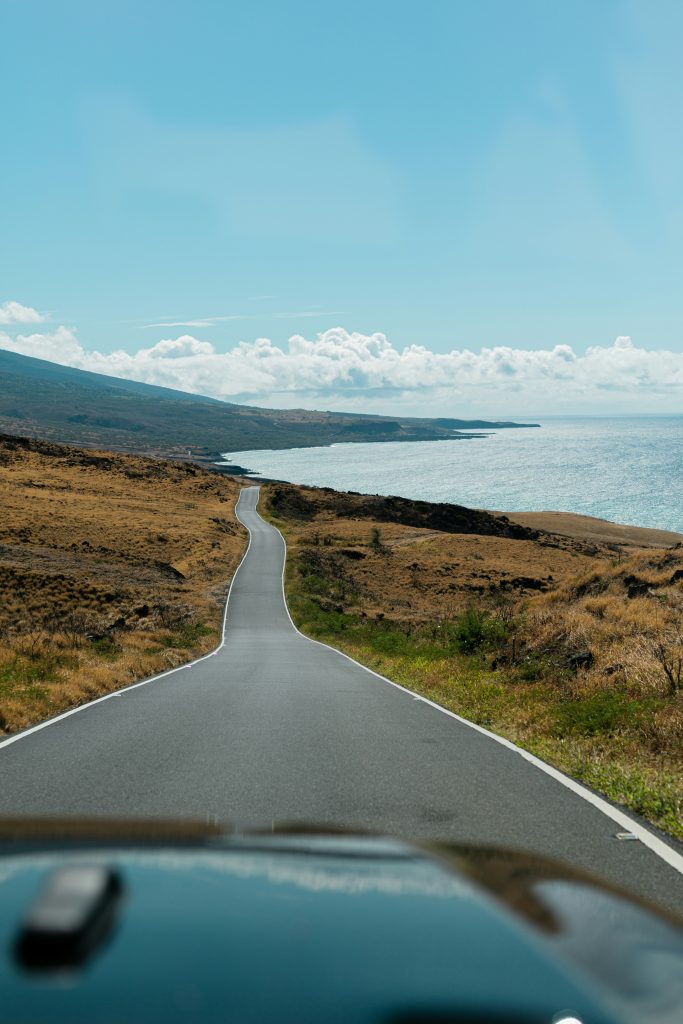
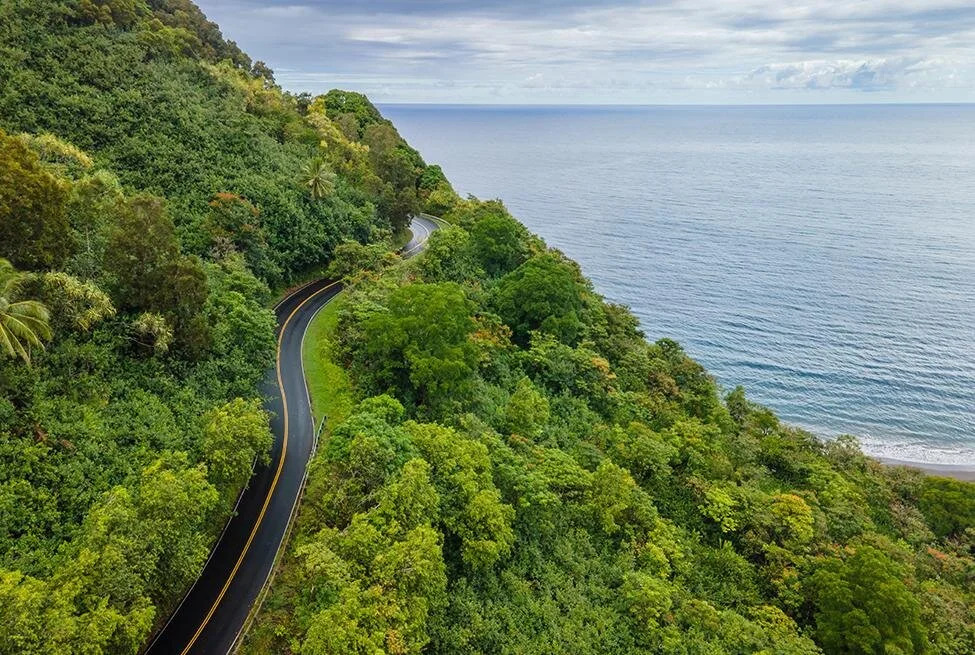
The Road to Hana is a 64.4-mile scenic drive along Maui’s northeastern Hana Highway (Route 360), connecting Kahului to the remote town of Hana through rainforest, waterfalls, and dramatic coastline. Plan for a full day most travelers spend 10 to 12 hours on the road and go on a weekday if you want any chance of breathing room out there.
Quick Answer: Road to Hana at a Glance
- Distance: 64.4 miles one way (Kahului to Hana)
- Drive time without stops: ~2.5 hours — but with stops, budget a full 10–12 hours
- Best day to go: Tuesday, Wednesday, or Thursday weekends are packed
- Start time: Leave by 6:30–7:00 AM to stay ahead of tour buses
- Road conditions in 2026: The road past Hana (toward Kipahulu) is fully open; check Hawaii DOT before you go for any closures
What Is the Road to Hana and How Long Does It Actually Take?
Every Hana Highway guide you find online quotes the same number 2.5 hours. And sure, that’s technically accurate. It’s also completely useless for planning purposes.
Here’s the thing nobody mentions until you’re already on mile marker 8 stuck behind a tour bus: those 64.4 miles contain 617 curves and 54 one-lane bridges. You’re not moving at highway speed. Ever. You’re slowing down for oncoming traffic, you’re pulling over to let someone pass, you’re stopping because something genuinely beautiful just appeared around a bend and you can’t not stop. That’s the whole point of doing this drive.
When you factor in actual stops the waterfall hikes, the food stands, the moments where you just stand there staring at the ocean because you can’t believe this place is real you’re looking at a 10 to 12 hour day. Minimum. People who try to rush the Road to Hana arrive in town exhausted and vaguely annoyed, wondering what all the fuss was about. The fuss is in the slowing down.
The smartest thing you can do in 2026 is book a night in Hana. Travaasa Hana runs around $650/night and books up fast, but vacation rentals in the area are easier to land and often more comfortable. Staying overnight means you drive the road in the morning calm, actually spend time in Hana instead of sprinting through it, and head back the next day without the 4:30 PM panic. If a day trip is all you’ve got, leave Kahului no later than 7:00 AM and be ruthless about which stops you pick.
One thing worth saying plainly: Hana town is not the payoff. It’s small, intentionally quiet, and almost entirely undeveloped. There’s no resort waiting at the end, no big reveal. The Road to Hana itself is the attraction the drive, the stops, the landscape that keeps changing every few miles. Once you accept that, the whole day makes a lot more sense.
The Best Stops on Road to Hana: Stop-by-Stop Breakdown
What follows is the Road to Hana stop list in driving order, from Kahului through to Kipahulu. Not every famous pull-off earns its reputation. This cuts the ones that don’t.
Twin Falls (Mile Marker 2)
Twin Falls is the first real stop and one of the most accessible on the entire highway flat trail, short walk, big payoff. You’re looking at maybe 10 to 15 minutes each way through a bamboo forest, ending at a pair of waterfalls with a swimming hole that’s genuinely refreshing if you go early. The farm stand at the entry sells fresh smoothies and local fruit, which works as breakfast if you left the hotel before anything was open.
Get here before 10:00 AM if you want a parking spot without a fight. The lot fills fast once the tour buses roll.
One honest note: the trails that continue deeper into the property go through private land. Skip those unless you’ve booked a guided tour through the farm itself.
Waikamoi Ridge Trail and Overlook (Mile Marker 9)
Most people blow past this one, which is exactly why it’s worth stopping. A short loop trail under a mile winds through eucalyptus and native forest up to a picnic area with real elevation and real views. It takes 25 minutes, maybe 30 if you’re moving slowly. You’ll probably have it to yourself, which is not something you can say about most stops on the Road to Hana in peak season.
Garden of Eden Arboretum (Mile Marker 10.5)
Entry runs $20 per adult in 2026. If tropical gardens and coastal views with breathing room sound appealing to you, it’s worth it 26 curated acres, well-maintained, genuinely peaceful. If you’re running behind schedule or your party isn’t particularly into botany, the free stops on this highway are just as impressive. Skip without guilt.
Puohokamoa Falls (Mile Marker 11)
This one gets overlooked because it requires a short scramble down a trail that isn’t immediately obvious from the road. Don’t skip it. The falls drop into tiered pools surrounded by heliconia and ginger, and it’s one of the more legitimately beautiful waterfall stops on the whole drive. Come before 9:00 AM if you want any sense of solitude. The trail gets slippery after rain flip-flops are a bad idea here.
Kaumahina State Wayside (Mile Marker 12)
Free parking, clean bathrooms, and one of the best viewpoints on the entire Hana Highway. You’re looking down at the Ke’anae Peninsula from above that finger of land jutting out into deep blue Pacific, taro fields visible if you know what you’re looking for. Spend 15 minutes, take your photos, move on. It’s a view stop, not a destination.
Ke'anae Peninsula (Mile Marker 17)
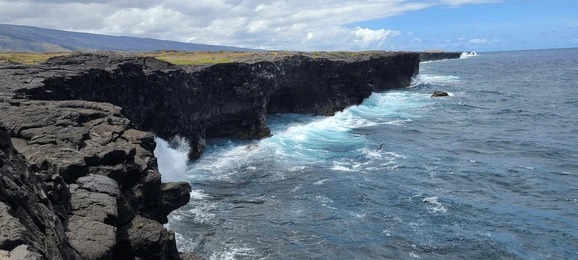
Turn left toward the ocean and follow the road down. This is the stop that tends to surprise people most not because it’s dramatic in the waterfall-and-rainforest way, but because it feels genuinely real. Native Hawaiian families have farmed taro on this peninsula for generations. There’s a stone church built in the 1860s that’s still standing. The coastline is raw black lava with waves crashing hard against it. None of it is staged or curated for tourists.
Aunty Sandy’s banana bread stand is here. Cash only, sells out by noon on busy days, and yes it lives up to whatever you’ve heard about it. Get there early.
Give this stop 30 to 45 minutes. It’s the most culturally meaningful place on the Road to Hana and one that rewards slowing down.
Wailua Overlook (Mile Marker 18)
A roadside pull-off looking down into Wailua Valley another taro-farming community, sweeping green landscape, ocean in the distance. Good photo stop. Two minutes is enough.
Halfway to Hana Stand (Mile Marker 17.5, Wailua area)
Fresh fruit, coconut candy, cold drinks. Good place to stretch and refuel. Don’t go overboard eating here save room for Hana.
Wai'anapanapa State Park — Black Sand Beach (Mile Marker 32)
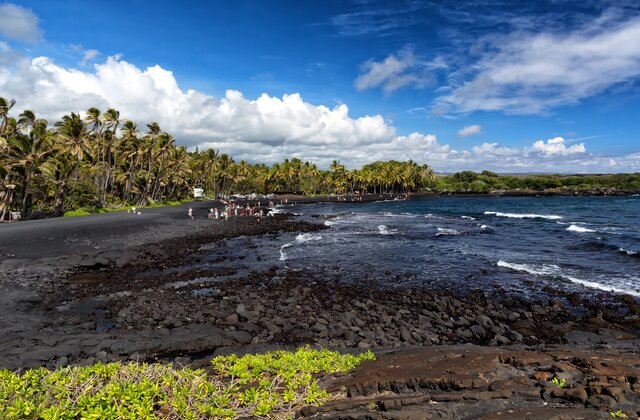
Book this in advance. Weeks in advance. Wai’anapanapa has required reservations since 2021 $10 per car for parking, $5 per person for beach access and 2026 is no different. Go to gostateparks.hawaii.gov and lock it in before you do anything else in your trip planning. This stop is genuinely irreplaceable: volcanic black sand that’s actually black (not gray, not dark brown — black), lava arch formations, a coastal trail that follows the cliff edge above the ocean.
Walk the coastal trail for 20 to 30 minutes if you have time. It’s worth every minute.
Don’t try to park on the road and walk in. Rangers enforce the reservation system and they’re not making exceptions.
Hana Town (Mile Marker 44)
You’ve arrived. Braddah Hutts BBQ is the move for lunch plate lunches, fresh fish, the kind of food that makes sense after a long morning of driving and hiking. There are shave ice stands near Hana Bay and a small market if you need supplies. Hana Bay Beach Park itself is calm and curved, good for swimming, and usually quieter than anything on the west side of the island.
The one gas station in town is real and necessary to know about prices run $6 to $7 per gallon in 2026. Fill up in Kahului or Paia before you leave. Seriously.
'Ohe'o Gulch / Seven Sacred Pools (Mile Marker 42 past Hana, in Kipahulu)
Ten miles past Hana town, inside Haleakalā National Park. Your America the Beautiful pass covers entry, otherwise it’s $35 per vehicle. The tiered freshwater pools cascading down toward the ocean are genuinely stunning whether swimming is allowed depends on current water levels, and rangers will tell you when you arrive. Don’t assume.
The Pipiwai Trail begins here. Four miles round-trip, 800 feet of elevation gain, ending at Waimoku Falls inside a dense bamboo forest that’s one of the stranger and more beautiful environments on the island. Budget 2 to 3 hours for the full hike. This trail alone justifies continuing past Hana rather than turning around in town.
What Should You Eat on the Road to Hana?
Pack a cooler. That’s the honest answer. Between Paia and Hana town, you’re not finding sit-down restaurants you’re finding roadside stands and small operations with limited hours and no guarantees. Here’s what’s reliable:
- Aunty Sandy’s Banana Bread (Ke’anae Peninsula): Cash only. Gets to the stand early — it sells out by noon on busy days and earlier than that on weekends
- Braddah Hutts (Hana town): Plate lunches and BBQ that are actually worth the drive. Hours vary and they do occasionally close unexpectedly check Google Maps the morning of before you count on it
- Hana Ranch Restaurant: The sit-down option in town. Consistent food, $20–35 per entrée, nothing transcendent
- Roadside fruit stands throughout the drive: Fresh coconut, lilikoi, mango, local snacks. Usually $3 to $8 per item. Buy from them these vendors are part of what makes the Road to Hana feel like itself and not like a theme park version of Hawaii
Bring more water than seems reasonable. None of the trailheads have fountains.
Road to Hana Tips for First-Timers: What Nobody Tells You
These are the Road to Hana tips that actually move the needle for first-time visitors in 2026:
- Download offline maps before you leave the hotel. Cell service disappears for stretches between mile markers 15 and 35. Not “gets spotty” disappears.
- Fill the gas tank in Kahului or Paia. The Hana station charges premium prices and occasionally runs low on supply during busy stretches.
- Bring cash. Aunty Sandy’s takes nothing else. Several fruit stands are the same way.
- Wai’anapanapa reservations don’t happen at the gate. Book weeks out during peak season. There is no walk-up line during busy periods.
- Driving back after dark is not a minor inconvenience — it’s a genuine safety issue. Six hundred seventeen curves, zero streetlights, driver who’s been going since 6:30 AM. Leave Hana by 4:30 PM if you’re doing a day trip.
- Wear shoes you’re okay getting wet. A significant number of the best stops involve wet rocks, creek crossings, or tide pool exploration. Sandals with grip at minimum. Actual hiking shoes if you have them.
- Motion sickness hits harder than people expect on this road. If anyone in your car has a tendency toward it, medicate before you leave not somewhere around mile marker 20 when it’s too late.
- The Piilani Highway loop back via the south side of the island is paved and open in 2026, making a full circle possible instead of retracing your route. Check Hawaii DOT road conditions the morning of your drive heavy rain can close it without much warning.
Is the Road to Hana Worth It in 2026?
Yes. But it’s not unconditional.
The Road to Hana has become one of the most visited drives in all of Hawaii, which means the experience on a Saturday in July looks nothing like the experience on a Wednesday in May. The stops that earn their reputation Ke’anae Peninsula, Wai’anapanapa’s black sand beach, the Pipiwai Trail deliver something that sticks with you. The stops that don’t tend to be the ones with paved lots and a dozen tour buses idling.
The honest version of this trip means leaving Kahului before the sun is fully up, having your Wai’anapanapa reservation locked in from weeks ago, bringing your own food, and ideally waking up in Hana the next morning instead of racing back to Kaanapali in the dark. The version that disappoints people involves treating it like a checklist, stopping everywhere a sign says to stop, and trying to be back in time for a 7:00 PM dinner reservation.
If you’re trying to build a full week on the island around this drive, our 7-day Maui itinerary maps out exactly where the Road to Hana fits alongside Haleakalā, the west side beaches, and the water.
FAQ: Road to Hana Questions Answered
1. How long is the Road to Hana drive?
The Hana Highway covers 64.4 miles from Kahului to Hana town. Pure driving time runs about 2.5 hours but that number doesn’t account for stops, traffic, or the one-lane bridges where you’re waiting on oncoming cars. Real-world planning means a full 10 to 12 hour day.
2. How many stops are on the Road to Hana?
There are 50-plus marked pull-offs along the Hana Highway. You can realistically do 8 to 12 stops in a day without it feeling frantic. The three that belong on every itinerary: Ke’anae Peninsula, Wai’anapanapa Black Sand Beach, and the Pipiwai Trail at ‘Ohe’o Gulch.
3. Do you need to book anything in advance for the Road to Hana?
Wai’anapanapa State Park requires reservations for both parking ($10/car) and beach access ($5/person) book at gostateparks.hawaii.gov. The Pipiwai Trail and ‘Ohe’o Gulch area require Haleakalā National Park entry ($35/vehicle, or covered by an America the Beautiful pass).
4. What is the best time of year to drive the Road to Hana?
Late April through early June hits the sweet spot spring break crowds have cleared out, summer hasn’t ramped up yet, and the weather on the Hana side of the island is warm and relatively dry. Weekday traffic during that window is actually manageable. July, August, and major holiday weekends are a different story.
5. Can you do the Road to Hana as a day trip?
You can, but it’s not the version of the trip people remember fondly. Leave Kahului by 7:00 AM, keep your stop list tight, and be heading back no later than 4:30 PM. If your budget has any flexibility, book one night in Hana — it genuinely changes the experience.
6. Is the road past Hana (Piilani Highway) open in 2026?
Currently yes — paved, open, and drivable for a full loop back via the south side of the island. Rain can close it quickly though. Check Hawaii DOT conditions the morning of your drive before counting on it.
7. What should I pack for the Road to Hana?
Water — more than you think is necessary. Snacks, sunscreen, shoes with grip, a waterproof bag or case for your phone, cash for the stands and vendors that don’t take cards, and motion sickness medication if anyone in your group needs it. Download offline maps before you lose cell service somewhere around mile marker 15.
8. Is the Road to Hana safe to drive?
Yes, with sensible preparation. The highway is fully paved and well-maintained, but it’s narrow, winding, and full of one-lane bridges where you’re yielding to oncoming traffic. Drive slowly, use the pull-outs when faster drivers catch up to you, and don’t attempt the return drive if it’s dark and you’re exhausted. Most problems on the Road to Hana come from rushing not from the road itself.
Bottom Line
The Road to Hana in 2026 rewards people who show up prepared and unhurried. Early start, Wai’anapanapa reservation already in hand, cash in your pocket, realistic expectations about timing, and ideally a night in Hana waiting at the end of the day. Let go of the stops that only exist because they appear on every list, and linger at the ones Ke’anae Peninsula, the black sand beach, the Pipiwai Trail that are actually worth it. That’s the trip people come back talking about.