

Get in the water between 7 and 10 in the morning. That’s it. That’s the secret every Maui local already knows, and that most first-time visitors figure out only after one frustrating afternoon session fighting wind chop with a snorkel full of seawater.
But there’s more to it than just “go early” because the best time of year to snorkel in Maui matters just as much as the time of day, and the afternoon isn’t always a lost cause if you know which beaches actually stay calm. Let’s get into all of it.
First, You Need to Understand the Wind
Nobody explains this properly in travel guides and it drives me crazy, because it’s the single most important thing about snorkeling in Maui.
The Northeast Trade Winds blow across this island pretty much every single day of the year. They’re warm, they’re consistent, and they’re almost completely absent in the early morning. Then somewhere around 10, maybe 11 AM, they start. And they build. By early afternoon on most days, they’re pushing 15 to 20 miles per hour across the water surface which sounds manageable until you’re trying to breathe through a snorkel tube while the ocean keeps smacking you in the face.
Wind does two things that kill the snorkeling experience. First, it chops up the surface so you’re constantly fighting to stay oriented. Second, it stirs sediment up off the seafloor and scatters it through the water column, which tanks visibility. The same reef that looked like an aquarium at 7:30 AM can look like murky soup by 1 PM. Same reef. Same day. Just wind.
This is why locals aren’t conflicted about the morning vs. afternoon question. It’s not really a debate to them. It’s just how the ocean works here.
The Morning Window — What 7 to 10 AM Actually Feels Like
I want to try to describe this properly because reading “calm conditions and good visibility” doesn’t capture it.
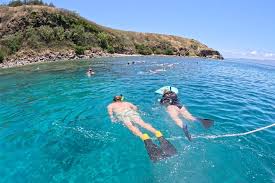
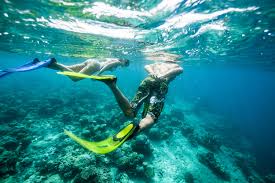
When you get to a spot like Kapalua Bay or the beach at Olowalu before 8 AM, the water surface is sometimes completely still. Not kind of calm, still. Locals call it glass, and that’s accurate. You can see individual fish from the surface before you even put your mask on. When you slip in, there’s no resistance. You just float. The reef beneath you is sitting there in full color the yellows and purples of the coral, the parrotfish going about their morning routine, the green sea turtles you didn’t even have to look for because they’re just there.
That’s the morning window. And here’s the thing it doesn’t require any special timing trick or insider knowledge. You just have to actually be there before the wind shows up.
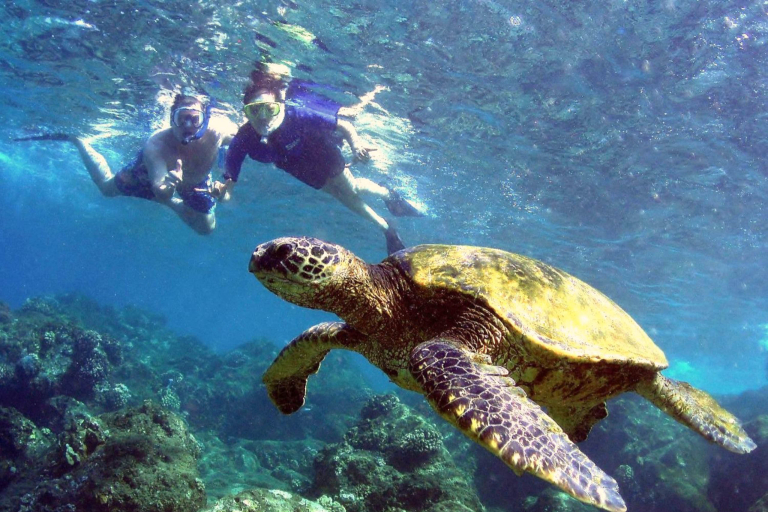
Why marine life is different in the morning: This part surprised me when I first heard it explained by a guide who’s been running reef tours out of Maalaea for over a decade. The turtles, reef fish, and even octopus are in their active feeding phase in the early hours. At Turtle Town near Maluaka Beach, the green sea turtles are legitimately moving around the reef between 7 and 9 AM grazing on algae, cruising between coral heads, doing turtle things. By noon, a lot of them have found a resting spot and they’re just sitting there. You’ll still see them, but it’s a different experience. One feels like watching wildlife. The other feels like a zoo exhibit.
The crowd thing is real too. Show up to Honolua Bay at 7:15 in the morning and you might share the entire marine reserve with five other people. Come back at 10:30 and it’s a completely different scene. This isn’t just about aesthetics fewer people means less disturbance to the fish and clearer sightlines when something interesting swims by.
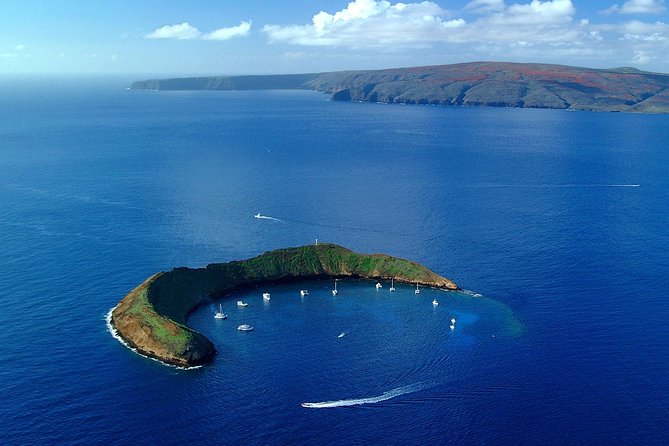
For boat tours to Molokini: Check-in for the best morning departures starts at 6:30 AM. Yes, that’s genuinely early. Yes, people who do it consistently say it’s the best snorkeling decision they made on their entire trip. The Molokini Crater on a calm morning visibility stretching beyond 100 feet, the crater walls dropping away below you, almost no boat traffic yet is one of those experiences that doesn’t really photograph the way it looks. You just have to be there.
Afternoon Snorkeling — The Honest Version
Here’s where I’ll push back a little on the “morning is always better, afternoon is pointless” narrative, because that’s not quite right either.
The afternoon isn’t bad. The wrong spot in the afternoon is bad. There’s a difference, and it matters.
Maui’s geography does something interesting. The volcanic ridgeline running through the center of the island blocks the trade winds from hitting the west and south shores head-on. Some bays on those shores stay genuinely calm and clear well into the afternoon because the island itself is acting as a windbreak. Experienced guides know exactly which ones hold up and which ones fall apart by noon, and they route their afternoon tours accordingly.
Kapalua Bay is the best example of this. The shape of the bay that crescent of land wrapping around the water creates protection from almost every wind direction. I’ve been at Kapalua at 2 PM on days when Molokini was getting hammered by chop and the water at Kapalua was practically flat. It’s one of the most reliably calm spots on the island regardless of hour, and it’s particularly forgiving for beginners and families with young kids who don’t need the experience of fighting conditions.
Olowalu is a local favorite for afternoon sessions that tourists mostly overlook. It runs along the highway on the west side, which sounds unglamorous, and the entry isn’t scenic in a postcard way. But the reef is extensive, it’s shallow enough to be accessible, and because it sits in a leeward position the wind doesn’t hammer it the way it does exposed beaches. Through about 1 or 1:30 PM on most days, Olowalu holds decent conditions. A lot of locals with a free afternoon will just grab their gear and head here without overthinking it.
Coral Gardens near Makena is where most afternoon boat tours end up, and the reason is exactly what I described above sheltered position, near-shore reef, stays calm when open water doesn’t. If your afternoon tour captain pivots to Coral Gardens instead of the original plan, that’s not a downgrade. That captain is reading what the ocean is doing and making the right call.
Baby Beach near Lahaina is so protected it barely counts as “ocean snorkeling” in the traditional sense but for families with very young children or absolute beginners who need to get comfortable in the water before trying anything more adventurous, it works at basically any hour.
Now, the flip side. Molokini in the afternoon is a different proposition entirely. Surface chop, reduced visibility, and a bouncier ride to get there combine to make it a noticeably inferior version of the same destination compared to morning. Most experienced operators don’t even pitch afternoon Molokini as a primary offering they pivot to near-shore reefs because that’s where the good experience is going to be found. If you see an afternoon Molokini booking and the price seems suspiciously low, the honest answer is that you’re probably getting exactly what you paid for.
One genuinely underrated thing about afternoons, though: the light. Around 3 to 5 PM at a sheltered bay, the sun angle drops and the underwater light turns warm and golden in a way that morning light doesn’t replicate. If you’re bringing an underwater camera, late afternoon at Kapalua or Olowalu produces photos with a richness to them that’s genuinely different. It’s not going to make up for worse conditions at exposed spots, but at a protected bay it’s worth knowing about.
Best Time of Year to Snorkel in Maui — The Real Breakdown
April, May, early June — this is the window. If you have any flexibility in when you visit and snorkeling matters to you, this is what you’re aiming for. The winter swells that make the north shores dangerous through February and March have typically settled by April. The water has warmed back up to around 75 to 78°F, which is comfortable for most people without a wetsuit for extended sessions. Summer crowds haven’t descended yet, so you can actually get to places like Makena Landing without circling the parking lot for forty minutes. April in particular is something locals will talk about almost reverently consistently flat water, excellent visibility, and an island that feels like it has some room to breathe.
July, August, September — great conditions, but bring your patience. The south and west shores are at peak calmness during summer. Water temperatures hit around 80°F. Turtle encounters at Turtle Town are about as reliable as they get anywhere in Hawaii. The tradeoff is that this is also when Maui gets absolutely slammed with visitors, and the popular snorkel spots reflect that. If you’re visiting in summer, you need to be in the water by 7:30 at the latest, or you need to be willing to go somewhere slightly off the beaten path instead of fighting the masses at Molokini.
October and early November — the local’s secret. After Labor Day, something genuinely shifts. The parking lots at Makena empty out. The boat tours have open spots again. The beaches stop feeling like a theme park. And the ocean is still warm from summer, still relatively settled, still producing excellent conditions just without all the people competing for the same patch of reef. October might be the single most underrated month to snorkel in Maui, and most visitors haven’t figured this out yet our month-by-month snorkeling guide breaks down exactly what October conditions look like compared to the rest of the year
December through March — complicated, but not worthless. Winter is when the Pacific sends serious north swells rolling into Maui’s exposed north and east shores, and “serious” is not an overstatement. Beaches that are gorgeous and calm in June can be legitimately dangerous in January. A lot of spots simply go offline for weeks at a time during significant swell events. The south and west sides continue to offer snorkeling throughout winter, but you need to check conditions daily rather than planning a week in advance, because things can change dramatically overnight.
What winter has that nothing else does: humpback whales. From December through March, the channel between Maui, Lana’i, and Moloka’i fills with migrating humpbacks in numbers that are honestly hard to comprehend until you’re on a boat surrounded by them. Morning boat tours during this season routinely encounter whales breaching, slapping the water, and occasionally singing in shallow enough water that you can hear it through the hull. It reframes the entire season. A lot of people who visit in winter for the first time come back in winter every year afterward specifically because of the whales.
Spot by Spot: What to Expect Through the Day
Before we walk through how each spot behaves through the day, it helps to know which Maui reefs are actually worth your time in the first place. If you haven’t nailed that down yet, this breakdown of the top snorkeling spots on Maui covers each location in detail including what makes each one unique and which ones are actually beginner-friendly.
Molokini Crater sits in open water with nothing sheltering it. The 7 to 9 AM window is genuinely something special the kind of visibility that makes you stop swimming for a second just to look around. By 11 the surface starts showing trade wind influence, and by early afternoon conditions are noticeably different. If you’re going to Molokini, the earliest departure you can book is the right call, end of discussion.
Turtle Town at Maluaka Beach is exposed enough that the same principle applies mornings are significantly better, turtles are more active, conditions hold up until around 10 to 10:30, and then things start to slide as the trades arrive.
Honolua Bay up on the north end of West Maui is a marine reserve with exceptional fish diversity and coral coverage, and it earns every bit of its reputation. The rocky entry means you want calm conditions when you’re navigating it, which makes morning the obvious choice. Afternoon wind creates surface texture that makes the entry awkward and reduces clarity closer to shore. Get there early and you’ll understand why serious snorkelers rank it so highly.
Kapalua Bay is the exception to almost every rule because that bay shape protects it so well. Morning is still the best experience, but Kapalua holds usable conditions longer than any other spot on the island sometimes well past noon. For beginners, for families, for anyone who needs flexibility in their timing, this is the most forgiving option Maui offers.
Olowalu is similar to Kapalua in that its leeward position extends the usable window. Through about 1 PM on most days the water here stays clear enough and calm enough for a genuinely enjoyable session. It’s not a showpiece destination the way Molokini is, but the reef is healthy, turtles are common, and you’ll rarely share it with a crowd.
Coral Gardens near Makena is where afternoon tours end up for good reason. Near-shore, sheltered, and consistently accessible even when open water nearby has gotten choppy. Not the dramatic experience of the crater, but genuinely beautiful and reliable.
Ulua Beach in Wailea has the easiest sandy entry on the south side and a reef that starts close enough to shore that you don’t have to swim far to find life. Morning conditions here 7 to 10 AM are ideal. The sandy bottom means less surge than rocky entry points, which makes it particularly good for first-timers who want something manageable.
What Locals Actually Do (As Opposed to What They Tell You to Do)
This section exists because there’s a gap between the advice locals give tourists and the habits locals actually practice, and it’s worth closing.
They read the daily snorkel report before going anywhere. Several local shops post these every morning around 7:30 AM they cover specific beaches, note current and swell direction, flag hazards, and sometimes call out which side of a particular bay to enter from. Driving 40 minutes to a beach without checking it first is something experienced local snorkelers don’t do.
They stand at the water’s edge and watch for a few minutes before getting in. This isn’t hesitation or nervousness it’s information gathering. You’re watching how the surge behaves on the rocks. You’re noticing whether there’s a current running parallel to the beach. You’re identifying your entry point and your exit point before you need them. The people who get into trouble in Maui’s ocean are very frequently the ones who walked straight in without looking.
They pay attention to the tide direction. A rising tide in the early morning is the local gold standard. Incoming water is generally cleaner, visibility tends to be better over the reef because there’s more water buffering between you and the bottom, and surge against the shoreline is usually gentler on the way up. Most experienced local snorkelers prefer to enter on a rising tide and be out before it turns.
They don’t snorkel alone. Not because it’s a rule, but because they’ve been in the water long enough to know that currents around Maui’s reef edges can shift without much warning and having someone watching your back is just basic ocean sense.
And they leave when things change. If the water starts to look murky, if the chop picks up suddenly, if something just feels off they get out. There’s no pride involved. The ocean will be there tomorrow.
The Summary
The best time to snorkel in Maui is early morning, 7 to 10 AM, from April through October. That’s the simple version. The best time of day to snorkel in Maui doesn’t change much season to season mornings are consistently superior because the trade winds haven’t arrived yet and the water is at its clearest and calmest. The best time of year shifts things toward spring and fall for the combination of good conditions and manageable crowds, with summer as the peak conditions season that comes with peak people.
Afternoon snorkeling works at the right spots. Kapalua, Olowalu, Coral Gardens, and Baby Beach all hold up reasonably well through midday on most days. Open water spots like Molokini don’t.
Check conditions before you go. Watch the water before you get in it. Don’t snorkel alone. And set the alarm.
FAQ — Questions People Actually Ask
What is the best time to snorkel in Maui? Between 7 and 10 AM, any time of year. Trade winds are calm, visibility is at its peak for the day, and marine life is most active during morning feeding hours. For boat tours to Molokini, the best departures have a 6:30 AM check-in.
Morning or afternoon — which is actually better? Morning, at most locations. But at sheltered west and south shore spots like Kapalua Bay, Olowalu, and Coral Gardens, afternoon through about 1 PM can still produce genuinely good conditions. The trade winds that degrade open-water snorkeling don’t hit these leeward spots as hard.
What’s the best time of year to snorkel in Maui? April through June for the best combination of calm water, warm temperatures, and manageable crowds. October and early November are also excellent and even quieter. Summer has peak conditions but peak people. Winter is complicated but brings humpback whales.
Can you snorkel in Maui during winter? Yes, but selectively. North and east-facing shores can become dangerous during significant swell events from December through March. The south and west sides Olowalu, Kapalua, Coral Gardens continue to offer good snorkeling throughout winter. Check local conditions daily rather than planning in advance.
When does afternoon snorkeling become too windy? At open-water spots like Molokini, conditions can deteriorate by 11 AM. At sheltered bays on the west side, you often have until 1 to 2 PM before things get noticeably choppy.
Is Molokini worth the early wake-up call? Everyone who’s done the early morning run to Molokini on a calm day answers this the same way: yes, without hesitation. The visibility, the quiet, the crater walls dropping below you it’s worth the alarm.
Do I need a guided tour or can I do it independently? Shore-accessible spots like Kapalua, Ulua Beach, and Olowalu are straightforward to visit on your own. Molokini requires a boat. For first-time visitors, guided tours offer genuine advantages a local guide who reads conditions daily is going to put you in the right spot at the right time in a way that winging it probably won’t match.
What should I bring for a morning snorkel session? Mineral-based reef-safe sunscreen applied 30 minutes before entering the water, a rash guard, water, and snorkel gear that actually fits. For boat tours, bring a light jacket the early morning ocean air and the ride out feel significantly colder than you’re expecting, especially if you’re coming from somewhere landlocked.