

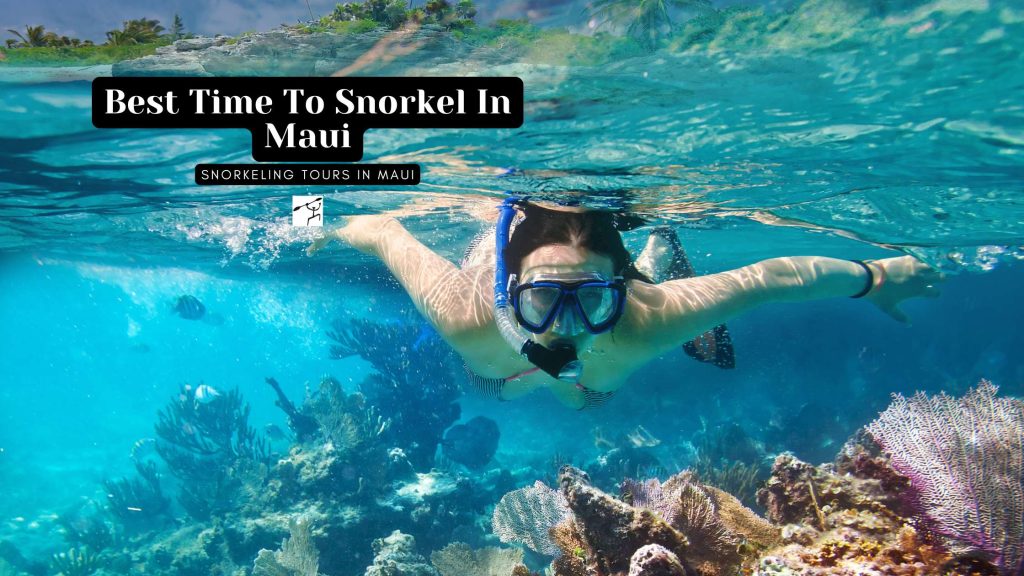
Let me be straight with you Maui’s ocean is not the same every month. Not even close. I’ve seen people show up in January expecting postcard-perfect clarity and spend half their trip staring at murky, churned-up water from winter swells. And I’ve seen others randomly book a trip in late April and call it the most beautiful thing they’ve ever put their face into.
Timing is everything here. This guide is going to walk you through every single month, tell you exactly what you’re likely to get, and answer the real questions not the vague, hedge-your-bets answers you find everywhere else.
Quick answer if you’re in a hurry: April and May are the sweet spot for the best time to snorkel in Maui. Early morning – 7 to 10 a.m. beats every other time of day without exception. And yes, you can snorkel year-round, but some months will genuinely disappoint you if you’re not going to the right spots.
Now let’s actually break it down.
January & February — Whales Yes, North Shore No
January is peak whale season. Humpbacks migrate from Alaska and fill the channel between Maui and Lanai you can actually hear them underwater while you’re snorkeling, which is surreal and not something any tour brochure can fully prepare you for.
But here’s the catch. Winter swells hit the north shore hard. Honolua Bay, which is one of the most stunning snorkel spots on the island when it’s calm, turns into a serious surf break in January. Do not go there expecting to snorkel unless you’ve checked conditions and they’re genuinely flat which is rare this time of year.
Your best bet in winter is the south side. Ulua Beach in Wailea, Makena Landing, and the area around Five Caves stay relatively protected. Visibility on a good day can hit 50–60 feet there. Water temperature sits around 73–74°F, which sounds cold but honestly feels fine with a thin rash guard you’ll adapt within a few minutes. Crowds are low in January. That part is genuinely nice.
Overall snorkel rating: ★★★☆☆ — viable, just pick your spots carefully.
March — Getting Better, Busier Too
March is transitional. The swells start calming down by mid-month. Water clarity begins improving on the south and west sides, pushing toward 60–75 feet on calm mornings. The fish seem more active too maybe that’s just the light getting better, but reef activity feels noticeably livelier than February.
Here’s the problem: spring break. The week or two around spring break brings a significant surge of visitors to popular beginner sites like Kamaole Beach Park. Molokini Crater boat tours book up fast sometimes weeks in advance. If you’re visiting in March, book offshore excursions the moment your travel dates are confirmed. Don’t assume you’ll figure it out when you land.
Late March, on a calm weekday, is genuinely underrated. Fewer people than April, improving conditions, and prices that haven’t fully shifted into peak season yet.
Overall snorkel rating: ★★★☆☆ — late March specifically is worth targeting.
Is April or May the Best Month to Snorkel in Maui?
Short answer: yes, one of those two months almost certainly is.
Here’s what changes by April. The winter swell pattern is essentially done. Trade winds in the morning are still mild they haven’t kicked into their summer intensity yet. Ocean temperatures climb to around 76°F. And crucially, visibility at offshore sites like Molokini Crater regularly hits 80 to 100 feet on a good morning. On exceptionally calm days I’ve heard reports of 120 feet or better inside the crater.
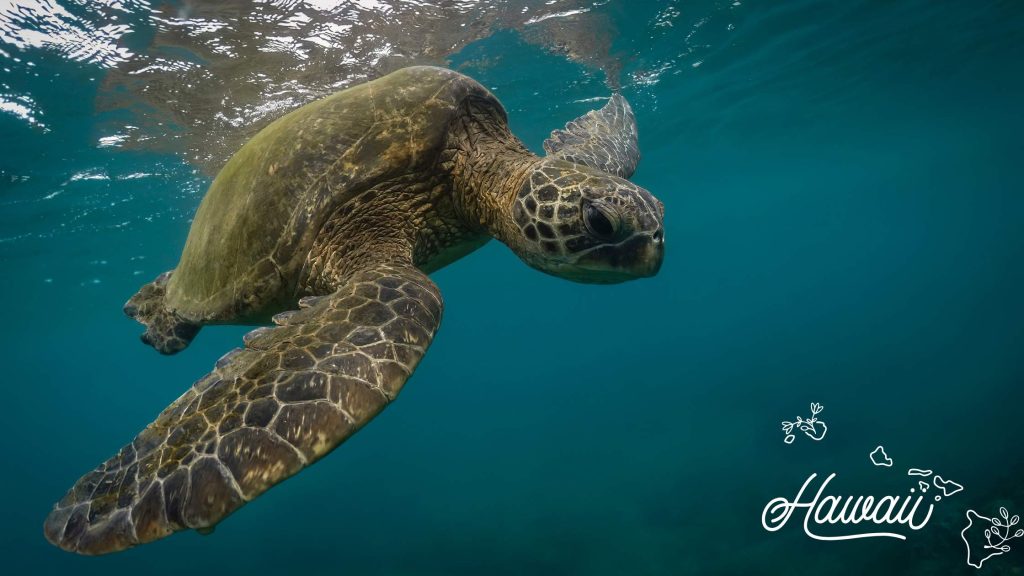
The spring break crowds are gone. Accommodation prices haven’t hit summer peaks. And the marine life? Incredibly active. Parrotfish, triggerfish, moray eels peeking out from crevices, the occasional octopus doing its color-change thing on the reef wall. Green sea turtles are easy to find at Turtle Town near Makena sometimes four or five of them at once, just drifting in the current.
May carries all those same advantages. Some people actually prefer May over April because the water’s a touch warmer and the island feels a little less rushed. Both months represent the best time of year to snorkel in Maui without much debate. If your schedule has any flexibility at all, target April or May. You’ll thank yourself.
Overall snorkel rating: ★★★★★
June, July & August — Hot, Beautiful, and Crowded
Summer is genuinely excellent for snorkeling in Maui. Water temperatures reach 79–80°F. The days are long. The ocean is warm enough that you can stay in for two hours and not notice. Napili Bay, Kapalua Bay, Kaanapali Beach, and the south-side spots are all performing at their best.
But, and this is a significant but the crowds in summer are real. At Kapalua Bay on a Saturday morning in July, you might find thirty people already in the water when you arrive at 8 a.m. Parking lots at popular sites fill up shockingly fast. I’ve heard people say they arrived at 9 a.m. thinking that was early and found no parking anywhere near the beach.
The best time of day to snorkel in Maui in summer is even more critical than in other seasons. Be in the water before 8:30 a.m., ideally earlier. Trade winds build earlier in summer than in spring, and afternoon conditions at exposed sites can drop from glassy to choppy in under an hour. Plan around the morning and treat the afternoon as beach time, not snorkel time. Molokini trips in summer: book the 6:30 or 7 a.m. departure. The difference between the first boat of the day and the third is significant both in crowd density inside the crater and in how much the water has been stirred up.
Overall snorkel rating: ★★★★☆ — outstanding conditions, just commit to going early.
September & October — The Season Nobody Talks About Enough
Here’s an honest opinion: September and October might be the best-kept secret in Maui travel, full stop.
The summer crowds disappear almost overnight after Labor Day. Water temperatures are still warm around 78–79°F, basically the same as August. Visibility remains excellent. And on calm days in September, you can walk up to Honolua Bay on the north shore and have genuinely world-class snorkeling with a fraction of the people you’d find there in July.
Yes, it’s technically hurricane season in the Pacific. But Maui sits north of the typical storm tracks, and direct hits are historically rare. Check NOAA forecasts before any ocean activity during this period don’t ignore the risk, just don’t let it scare you away from what are statistically some of the island’s most beautiful weeks.
October in particular has a quality of light in the water that’s hard to describe. Lower sun angle in the morning, less glare, colors on the reef that seem more saturated. Some of the best underwater photos I have ever seen from Maui were taken in October. The best time of year to snorkel in Maui arguably includes this fall window, and not enough people know it.
Overall snorkel rating: ★★★★★ — seriously underrated.
November — Solid, With a Clock Ticking
Early November is fantastic. Conditions on the west side stay calm, prices are lower than any other time of year except deep winter, and the island feels relaxed in a way it doesn’t in peak season. Great month to explore spots you’d normally have to fight for Honolua Bay included, before the surf season locks it down.
By late November, the first pulses of winter north swell start showing up. Honolua Bay transitions from snorkel spot to surf spot as November turns to December. South-side spots remain fine, but if north shore snorkeling is on your list, early November is your last reliable window until spring.
Overall snorkel rating: ★★★★☆
Can You Snorkel in Maui in December or January?
Yes, but with clear expectations about where and when.
The mistake people make in winter is treating all of Maui’s coastline the same. The north shore in December and January can have six-to-ten-foot surf. Going to Honolua Bay or Baldwin Beach expecting to snorkel during a winter swell isn’t just disappointing it’s dangerous.
The south shore is a different story. Ulua Beach, Makena Landing, Five Caves, and the Ahihi-Kinau Natural Area Reserve stay sheltered from north swells. On a calm, clear morning in December and they do happen regularly you can get genuinely good snorkeling with visibility in the 50–65-foot range.
Water temperature in December and January runs around 73–74°F. That’s the coolest it gets all year. A thin wetsuit or full rash guard helps. Holiday week (Christmas through New Year’s) is the busiest single week of the year on the island. If you’re visiting then, arriving at your snorkel site before 7 a.m. is not an amplification, it’s a necessity.
So yes, absolutely snorkel in December and January. Just stay south, go early, and check conditions the night before.
Overall snorkel rating: ★★★☆☆ (south side only)
What Time of Day Is Best for Snorkeling in Maui?
Every experienced snorkeler will tell you the same thing: morning. Specifically, 7 to 10 a.m.
If you want the full breakdown of why the morning window beats every other time slot conditions, marine behavior, visibility science we’ve covered is it better to snorkel in the morning or afternoon in detail.
Here’s the reason it matters so much. Hawaii’s trade winds start between 10 a.m. and noon. Before that, the water surface is often completely flat you’re looking straight down through it like glass. Fish are actively feeding along the reef in the early hours. Light penetration is better. You’re not competing with afternoon boat traffic that stirs up sediment near popular sites.
By early afternoon, surface chop can reduce visibility dramatically. A site showing 80 feet of clarity at 8 a.m. might drop to 30–35 feet by 2 p.m. just from wind-driven wave action alone.
Sunset snorkeling sounds romantic. In practice it’s usually underwhelming flat light, lower visibility, and the reef tends to be quieter in the late afternoon. Stick to mornings. Set the alarm. It is genuinely worth it every single time.
What Months Have the Clearest Water in Maui?
April through June and September through October are your two windows for reliably exceptional visibility.
The clearest water tends to show up when three conditions align: surf is small (so nothing is stirring up the bottom), trade winds are moderate (so the surface is calm), and there’s been no recent Kona storm runoff on the leeward side. Those conditions come together most reliably in spring and fall.
At Molokini Crater during a calm April morning, visibility inside the bowl regularly exceeds 100 feet. The back wall which drops to over 300 feet is visibly clear to depths that feel almost unrealistic from the surface.
Summer visibility is also very good, especially in July and August. But heavy boat traffic at popular sites and stronger afternoon trades can knock it down somewhat. Winter is the most variable great on good days, terrible after any significant storm or north swell event.
Where Is the Best Place to Snorkel in Maui for Beginners?
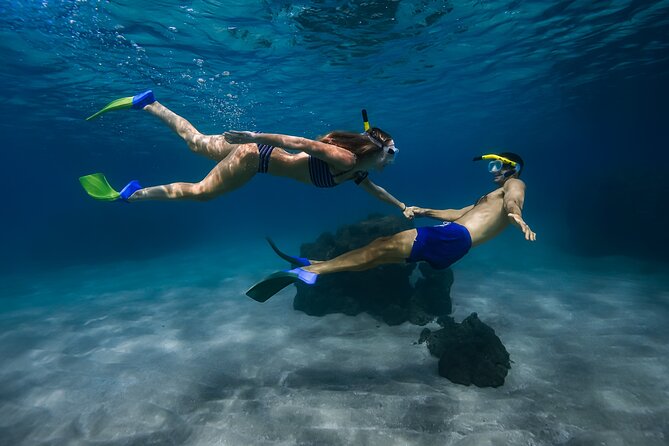
Three spots stand out for people who are new to snorkeling or just want a relaxed, low-stress experience.
- Kamaole Beach Park II in South Maui has a sandy entry, a shallow reef close to shore, and genuinely good fish diversity. Easy parking, bathrooms, showers. This is probably the most forgiving beginner snorkel spot on the island. Go in the morning when it’s calm.
- Napili Bay on the West Side is a small crescent bay that’s naturally protected from trade wind swells by the shape of the coastline. The reef wraps around both ends. Water stays calm even when spots a mile away are choppy, good for kids and nervous snorkelers alike, and visibility is typically excellent even into mid-morning.
- Ulua Beach in Wailea on the South Side has a shallow rocky reef that runs along the south end of the beach, starting about fifteen feet from shore. Turtles rest here regularly. The entry is easy, the bottom is sandy where you walk in, and during the best time to snorkel in Maui April through June, the leeward position keeps it calm even when trade winds are picking up elsewhere.
If you’re trying to decide between Maui and the other Hawaiian islands, or want to see how Maui’s beginner spots stack up against spots on Oahu, Kauai, and the Big Island, our guide to the best places to snorkel in Hawaii walks through all of them side by side.
One honest note: avoid Honolua Bay as your very first snorkel if you’re a beginner. The rocky entry is tricky in anything but flat conditions, and the surge inside can surprise people who aren’t used to ocean movement. It’s worth working up to.
Is Molokini Crater Worth It for Snorkeling?
Yes. Genuinely, unequivocally yes — if you do it right.
Molokini is a partially submerged volcanic crater about three miles offshore from Maalaea Harbor. The entire interior is a protected Marine Life Conservation District, meaning no fishing has occurred there for decades. That protection shows. Fish density inside the crater is noticeably higher than almost anywhere you can snorkel from shore. Pyramid butterflyfish, endemic Hawaiian cleaner wrasse, spotted eagle rays, and reef sharks (the white-tip kind not aggressive toward snorkelers) are all regular sightings.
The inner bowl is perfectly suited for snorkeling depths range from about 10 feet near the rim to 60 feet toward the center, all over coral formations that are genuinely stunning. You don’t need to be an experienced diver to appreciate it. The back wall is a different animal a sheer drop to 300+ feet that’s more of a dive experience but even snorkeling over the edge and peering down into that blue abyss is something you don’t forget.
What makes the trip worth it is booking the earliest boat typically 6:30 or 7 a.m. departures. You arrive before the wind, before the other ten boats, and before any sediment gets stirred. Afternoon Molokini trips are a noticeably weaker experience not terrible, but not what you came to Maui for. The best time to snorkel in Maui’s offshore sites is clearly the early morning, especially in April, May, September, or October when conditions combine to deliver that 100-foot-plus visibility inside the crater.
Month-by-Month Snorkel Conditions at a Glance
- January and February are low-crowd months with moderate visibility on the south side and stunning whale encounters, but winter swells make the north shore off-limits for snorkeling overall a three-star experience best suited for flexible travelers. March improves steadily as the month goes on, with visibility climbing toward 75 feet by late month, though spring break crowds make midweek visits essential another three-star month that earns four stars if you time it right.
- April and May are the standout months of the entire year. Visibility is excellent island-wide, often exceeding 100 feet at Molokini, crowds are manageable, water is warm, and marine life is highly active a clear five-star window that serious snorkelers plan their whole trip around. June remains excellent with very good to exceptional visibility, though summer crowds are beginning to build four stars that could be five with an early alarm.
- July and August bring the warmest water of the year and very good visibility, but these are the busiest months on the island four stars where timing your morning entry becomes non-negotiable. September and October are the hidden gems. Crowds drop sharply, visibility stays excellent, water is still warm, and you can access spots that were packed all summer with far fewer people five stars, and genuinely underappreciated by most visitors.
- November is a solid four-star month in early weeks, with calm west-side conditions and low crowds, before north swells begin arriving toward the end of the month. December is three stars at best workable on calm mornings at south-side spots, but holiday crowds and variable winter conditions require careful planning and an early start.
A Few Practical Notes Before You Go
Check surf and wind reports the evening before. Surf News Network and the National Weather Service Honolulu office both post marine forecasts. If Kona winds are coming, south-side spots get choppy pivot west. If north swells are forecast above four feet, stay off the north shore.
Gear matters more than people admit. A mask that leaks or doesn’t fit kills the experience. If you’re renting, test the seal on dry land before you get in the water. Press the mask to your face, inhale slightly through your nose, and see if it holds without the strap. If it doesn’t hold, try a different one.
Reef-safe sunscreen is the law in Hawaii, not a suggestion. Oxybenzone and octinoxate are banned statewide. Use mineral-based sunscreen with zinc oxide, or better yet just wear a rash guard and skip most of the sunscreen entirely. Your skin and the coral will both appreciate it.
Six feet from sea turtles is federal law. The Hawaiian green sea turtle (honu) is protected under the Endangered Species Act. Don’t approach, touch, or block their path to the surface. They will often approach you on their own just stay still and let it happen. It’s one of the best moments you can have in the water.
Frequently Asked Questions
Is Maui good for snorkeling year-round? Yes, with realistic expectations. The leeward coast south and west sides is snorkelable every month. April through October delivers the most consistent conditions. December through February can be great on calm days but requires south-side access and morning timing.
Do I need experience to snorkel in Maui? Not really. Being comfortable floating in water is more important than swimming ability. Many beginner sites are shallow enough to stand in. Guided tours provide flotation vests and brief instruction. If you’re genuinely nervous about open water, stick to Napili Bay or Ulua Beach for your first time.
How warm is the water? It ranges from roughly 73°F in winter to 80°F in late summer. Most visitors don’t need a wetsuit. A rash guard is useful for sun protection and adds a little warmth on cooler winter mornings.
What marine life will I actually see? Green sea turtles, parrotfish, triggerfish, butterflyfish, moray eels, octopus, and spinner dolphins (usually offshore) are all common. White-tip reef sharks appear near Molokini. Humpback whales are present December through April you might hear them underwater even if you can’t see them.
What’s the best snorkel spot for seeing turtles specifically? Turtle Town near Makena (accessed by boat or kayak) is the most reliably dense turtle spot on the island. Ulua Beach and Maluaka Beach on the south side also see frequent turtle activity from shore.
Bottom Line
Maui’s snorkeling is legitimately special. But it rewards people who pay attention to timing both the time of year and the time of day. If you can go, i will recommend to go in April or May. Go in September or October if spring doesn’t work. Go in winter if that’s what your schedule allows, just stay south and go early.
Whatever month you land on, set your alarm and be in the water before 9 a.m. The reef is different in the morning. Clearer, calmer, more alive. You’ll understand the moment you put your face in.
best time to snorkel in maui
best time to snorkel maui
best time to snorkel maui
best time to snorkel maui
best time to snorkel maui
best time to snorkel maui
best time to snorkel in maui
best time to snorkel in maui
best time to snorkel in maui
best time to snorkel in maui
best time to snorkel in maui
best time to snorkel in maui
best time to snorkel in maui
best snorkeling west maui
best snorkeling beach in maui for beginners
honolua bay maui snorkeling