


Three things make or break a Maui trip in 2026: getting up early enough for Haleakalā sunrise, getting on a boat for Molokini, and setting aside a full day for the Road to Hāna. Everything else on this list of things to do in Maui — including the free stuff nobody mentions and the overhyped stuff you can skip builds out from there.
Quick Answer
- Haleakalā sunrise, Molokini snorkeling, and the Road to Hāna are the three things almost everyone builds a Maui trip around.
- Whale season runs December 15 through April. February’s the busiest month for sightings.
- Front Street in Lahaina is still closed for rebuilding — don’t center your trip on it. Kā’anapali and Kapalua are where West Maui actually happens right now.
- Some of the best beaches on the island (Kahekili, D.T. Fleming) are free. Some of the “free” ones (Kamaole I–III) now charge $10 to park.
- Haleakalā sunrise and Wai’anapanapa both need reservations booked ahead of time. Show up without one and you’re not getting in.
At a Glance
- Whale season: Dec 15–April, peak in February
- Haleakalā: $30/vehicle (3-day pass), plus a separate $1 sunrise reservation — book up to 60 days out
- Molokini boats: roughly $100–$200 a person; take the 7 or 8 a.m. trip if you can
- Road to Hāna: 64 miles, 600+ curves, 50+ one-lane bridges. Full day, not a half-day.
- Lahaina: harbor and several restaurants are back open; historic Front Street is not
- Free parking still exists at Kahekili, D.T. Fleming, and Keawakapu — Kamaole I–III now cost $10/day
The Full List: 35 Things to Do in Maui in 2026
Here’s all 35. Some get a full breakdown further down the page; others are exactly what they sound like.
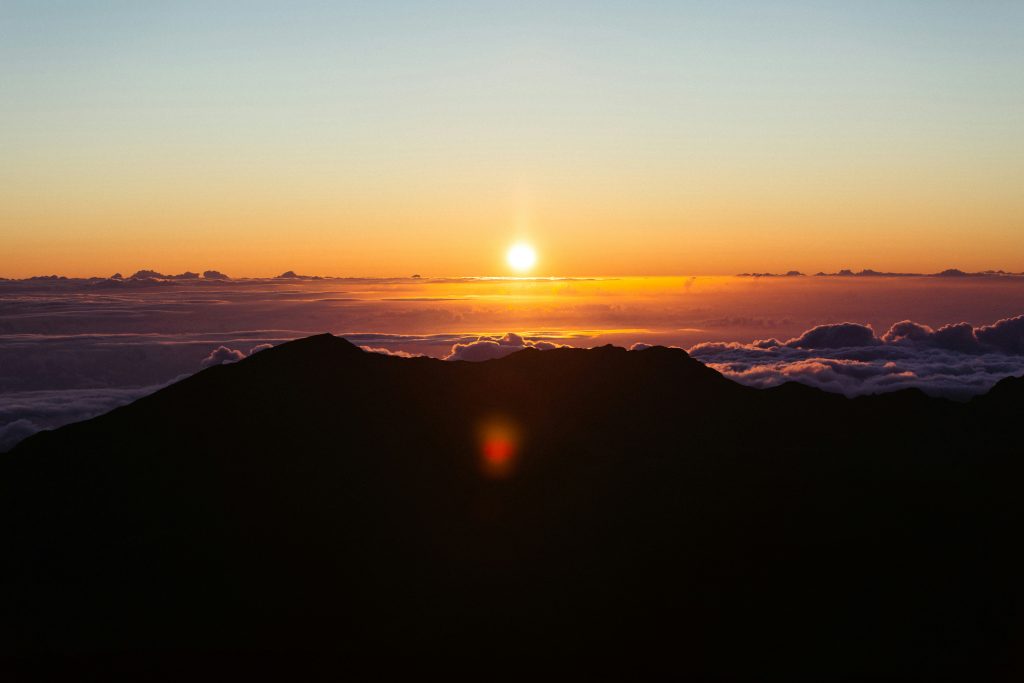
- Catch sunrise from the Haleakalā summit, 10,023 feet up
- Snorkel Molokini Crater on the earliest boat you can book
- Drive the Road to Hāna start to finish
- Go whale watching sometime between mid-December and April
- Snorkel Kapalua Bay, one of the calmer coves on the west side
- Watch the cliff-diving ceremony at Black Rock in Kā’anapali at sunset
- Hike to ‘Ohe’o Gulch (the Seven Sacred Pools) in Kīpahulu
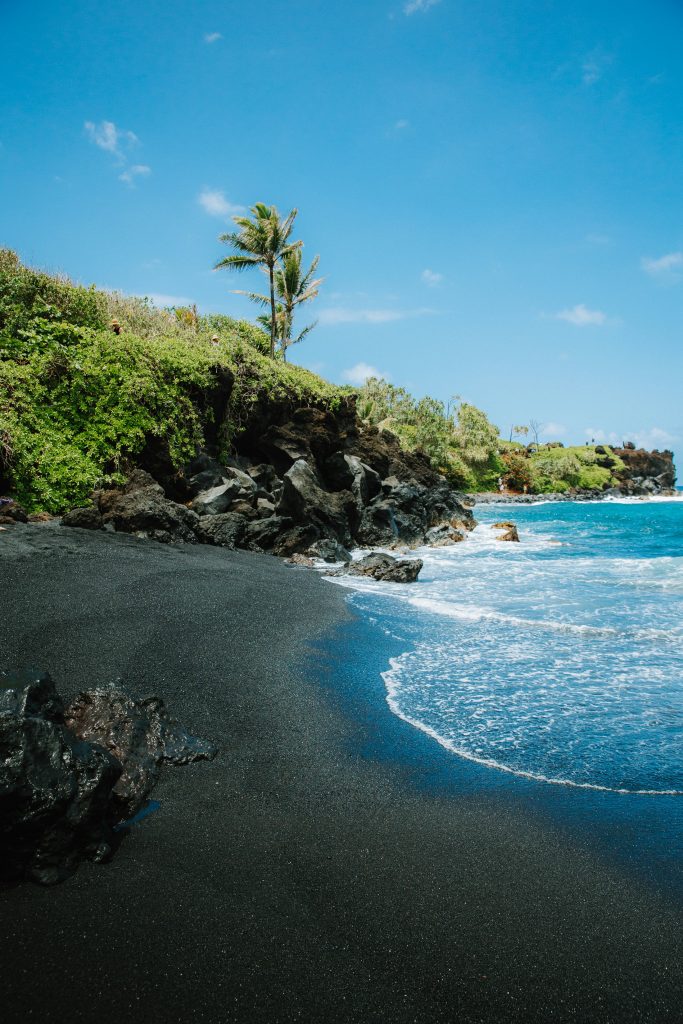
- Walk the black sand at Wai’anapanapa State Park
- Stop at Twin Falls, the first waterfall on the Hāna Highway and also the busiest
- Pull over for Upper Waikani Falls (“Three Bears”) past mile marker 19
- Walk through Garden of Eden Arboretum, where Jurassic Park’s opening scene was shot
- See the taro patches at Ke’anae Peninsula
- Grab banana bread from a roadside stand in Ke’anae or Hāna
- Spend an afternoon at Big Beach (Oneloa) in Mākena
- Swim Baby Beach in Lahaina, open again since the 2023 fire
- Take a surf lesson in Lahaina or at Cove Park in Kīhei
- Kayak the Olowalu reef
- Watch the windsurfers and kitesurfers at Ho’okipa Beach Park
- Walk Wailea Beach, tucked between the Four Seasons and Grand Wailea
- Eat at a surviving Front Street-area spot, like Māla Ocean Tavern or Star Noodle
- Go to the Old Lahaina Luau
- Shop the reopened stores at Lahaina Cannery Mall
- Visit ‘Iao Valley State Monument
- Drive the West Maui Loop (Kahekili Highway) instead of Hāna
- Tour a lavender farm or goat dairy up in Kula
- Spend a few hours at Maui Ocean Center in Ma’alaea
- Bike downhill from Haleakalā’s slopes
- Take a helicopter over West Maui’s valleys
- Wander a local farmers market
- Catch a sunset sail or catamaran cruise out of Kā’anapali
- Stargaze from the Haleakalā summit at night
- Hike the free Waihe’e Ridge Trail
- Watch sunset from Lahaina Pali Trail or Papawai Scenic Outlook
- Snorkel Honolua Bay early, before it fills up
- Picnic for free at Kamaole III Beach Park at sunset
Best Things to Do in Maui for First-Timers (Your Maui Bucket List)
If this is your first trip, you’ll probably end up doing the same three things almost everyone does. There’s a reason for that.
Haleakalā sunrise comes with more paperwork than people expect. You need a $1 reservation through Recreation.gov on top of the park’s regular $30-per-vehicle entrance fee, good for three days. Reservations open 60 days out, with a smaller last-minute batch released 48 hours before each date, and both windows sell out fast in summer and around holidays. So don’t wait until you land to book it. One thing that catches almost everyone off guard: it’s genuinely cold up there. You’re standing above 10,000 feet, and temps run 30 to 40 degrees colder than the beach you just left. Bring a real jacket, not the hoodie you packed “just in case.”
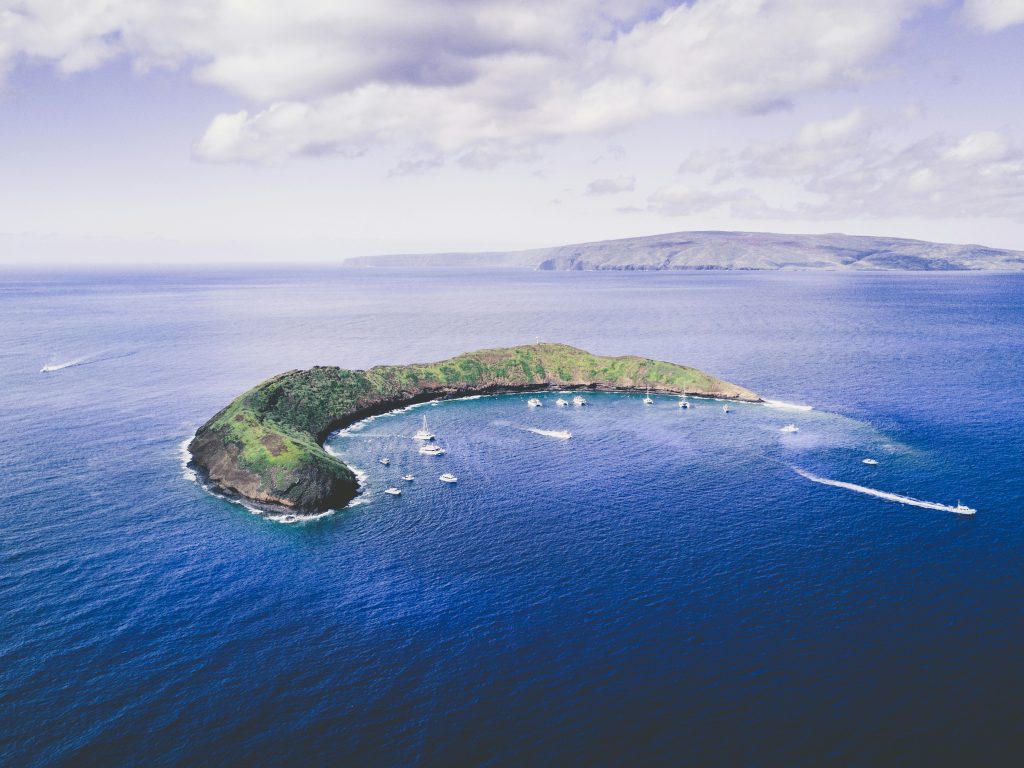
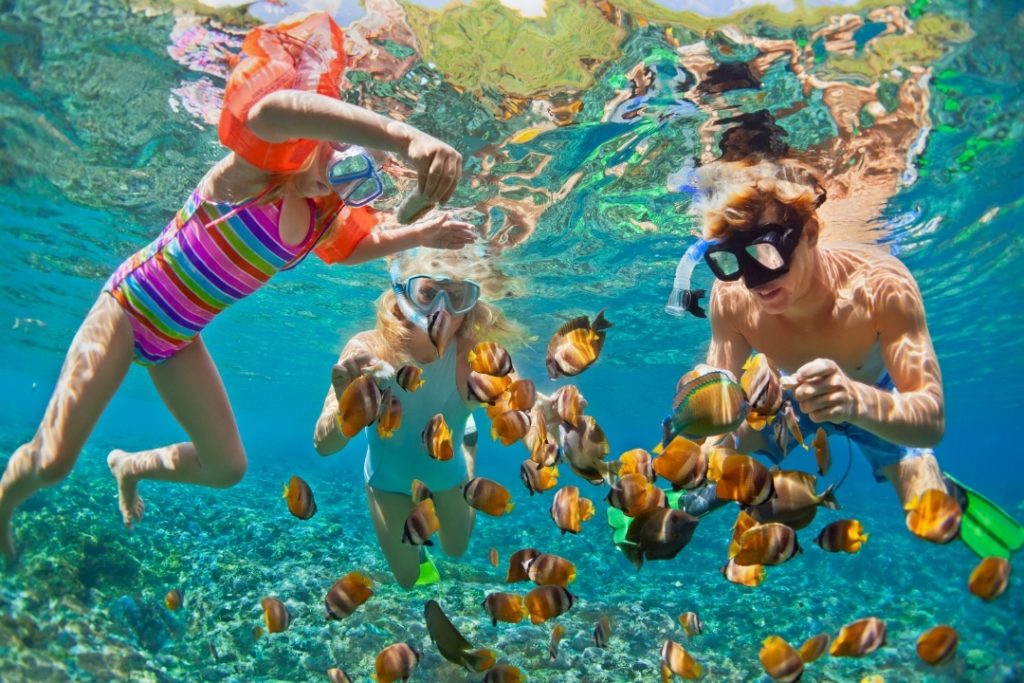
Molokini, on the other hand, lives up to the hype. It’s a crescent-shaped crater about three miles off Ma’alaea Harbor, and on a calm morning you can see 100 to 150 feet down — numbers that make most shoreline snorkeling look murky by comparison. Expect to pay $100 to $200 a person depending on the boat, and book the earliest departure you can manage. Wind picks up by midday and chops up the water, so the 7 a.m. crowd genuinely sees a different crater than the 1 p.m. crowd does. Prone to seasickness? Stick to a bigger catamaran. The small rafts feel every swell on the way out.
Whale watching is the one that surprises people who didn’t plan around it. Between December and April, humpback whales that swam roughly 3,000 miles from Alaska show up to breed and calve right off Maui’s coast. February’s peak season, but you’ll see whales sometimes from shore anywhere from Ma’alaea to Kā’anapali to Wailea. Morning tours book out fast by late January, so this isn’t one to leave for ‘we’ll figure it out when we get there.’ If you want something closer to the water than a large boat, kayak whale watching inside the Humpback Whale Sanctuary is a completely different experience at water level, with live hydrophone audio so you can actually hear the whales singing beneath you.”
Road to Hāna: Which Stops Are Actually Worth Your Time?
Sixty-four miles. Over 600 curves. More than 50 one-lane bridges. That’s the Road to Hāna in numbers, and it’s why people budget a full day closer to 10 or 12 hours if you actually stop at things instead of treating it like a quick scenic drive. Leave by 6 or 7 a.m. Anyone who tells you otherwise hasn’t dealt with the afternoon rain or the line of rental cars stacking up behind the slowest driver on the road.
Not every stop is worth the brake lights. Twin Falls is usually the first waterfall people hit, and it’s also the most crowded and least impressive of the bunch save your time for what’s ahead. Upper Waikani Falls, better known as Three Bears, sits just past mile marker 19 and gets you a far better photo for a five-minute stop. Garden of Eden charges admission, and it’s one of the few paid stops that actually earns it: 500-plus tropical plants, real coastal views, and the ridge where Jurassic Park’s opening scene was filmed. If you’re stopping at Wai’anapanapa State Park for the black sand beach, know that it now requires a timed-entry parking reservation through the state park system. No reservation, no entry; rangers turn cars around at the gate. Past Hāna itself, ‘Ohe’o Gulch (the Seven Sacred Pools) inside Haleakalā National Park’s Kīpahulu District is the payoff for the long drive — tiered pools, plus a short hike up the Pipiwai Trail through a bamboo forest that genuinely looks unreal.
Not a confident driver on narrow, winding roads? Let someone else handle it. Local drivers know which pullouts actually have parking and which ones are a trap, and on a road this tight, that knowledge is worth more than it sounds.
What Are the Best Maui Beaches and Water Activities?
Maui’s beaches fall into two camps: the ones next to resorts, and the free public ones that hold up just fine against them.
Kapalua Bay is about as calm as West Maui snorkeling gets, which makes it good for nervous swimmers and good for kids. Big Beach (Oneloa) in Mākena is the opposite kind of beautiful nearly two-thirds of a mile of open, golden sand with real shorebreak that can knock over anyone who isn’t paying attention, so it suits confident swimmers more than toddlers. Wailea Beach sits between the Four Seasons and the Grand Wailea, and despite the five-star company, it’s calm, public, and easy to park near.
Want to do something instead of lying on a towel? Surf lessons in Lahaina and at Cove Park in Kīhei are solid for beginners; the breaks stay gentle and consistent. A kayak tour along the Olowalu reef gets you green sea turtles without the open-water crossing Molokini requires. Ho’okipa Beach Park, just past Pā’ia, isn’t really a swimming beach at all — it’s where you stand on the sand and watch windsurfers and kitesurfers do things with the wind that look borderline reckless, while sea turtles haul out a few feet away like none of it concerns them.
Here’s an honest one: Honolua Bay used to be an automatic recommendation, and lately it’s gotten complicated. Crowding and informal camping near the parking area have made some recent visitors turn around before they even got in the water. Go early, go with a group, or just snorkel Kapalua Bay instead. The difference in fish isn’t worth the discomfort.
What's Actually Open in Lahaina Right Now?
Most generic Maui guides still write about Lahaina like it’s 2022, so let’s actually deal with this.
The August 2023 wildfire destroyed roughly 2,200 structures in Lahaina’s historic core. In 2026, that core — Front Street, Banyan Court Park, the galleries and harbor-front shops most people picture when they hear “Lahaina” — is still a closed construction zone behind orange bollards. Realistic timelines put it at another one to three years before it reopens to general visitors. Driving through to “see it for yourself” isn’t sightseeing right now; it’s an active rebuild zone in a town where people lost everything, and treating it like an attraction isn’t a good look.
That doesn’t mean West Maui is closed, though. Lahaina Harbor started a phased reopening in December 2025 and runs whale watching and snorkel tours again. Five oceanfront restaurants behind the Cannery Mall made it through the fire and serve guests every night: Māla Ocean Tavern, Honu Oceanside, Coco Deck, Aloha Mixed Plate, and Star Noodle. The Cannery Mall and Gateway shopping centers are fully open, the Old Lahaina Luau still runs nightly, and Baby Beach has reopened for swimming. Even the old Banyan Tree survived and is putting out new growth, though the park around it stays roped off while restoration continues.
If you want your trip to actually help, spend your time and money in Kā’anapali, Kapalua, Napili, Honokōwai, and the harbor. That’s where it lands.
Unique Things to Do in Maui You Won't Find in Every Guide
Step away from the standard checklist for an afternoon and Maui starts to feel like a different island entirely.
Kula sits 3,000-plus feet up Haleakalā’s slopes, cool enough to grow lavender and run goat dairies that have nothing in common with the beach towns below it. Surfing Goat Dairy runs farm tours and tastings, and a handful of lavender farms nearby sell everything from sachets to lavender ice cream, which sounds strange until you’ve actually had it.
Prefer driving to walking? The West Maui Loop (Kahekili Highway) is the quieter cousin of the Road to Hāna: sea cliffs, blowholes, a fraction of the traffic. It’s narrow, and it’s not for anyone white-knuckling a rental car, but confident drivers get views that genuinely compete with Hāna in under half the time.
For a rainy day, or honestly just a good day, Maui Ocean Center in Ma’alaea has a sizable Open Ocean tank and exhibits built around the actual reef species living offshore rather than generic aquarium filler. If you want something more physical, downhill bike tours start near Haleakalā’s summit and roll through ranch land and switchbacks for a few hours, usually $150 to $200 a person. Helicopter tours go further still, showing waterfalls and valleys that no road on the island actually reaches. Both cost real money, and both show you parts of Maui you genuinely can’t see any other way.
Things to Do in Maui with Kids
Kids and teenagers rarely want the same afternoon, so family trips work better with a mix of structured and free.
Maui Ocean Center buys you a few air-conditioned, stroller-friendly hours — touch pools, a walk-through shark tunnel, the works. Baby Beach in Lahaina is exactly what it sounds like: shallow, reef-protected, almost no current, and a much better first snorkel spot than Big Beach’s shorebreak would ever be.
The Black Rock cliff-diving ceremony at Kā’anapali happens every night at sunset and costs nothing to watch. Kids tend to love the torches and the actual dive, and the water in front of it stays calm enough to swim before the show starts. Farmers markets in Kīhei or Upcountry make for an easy morning with fresh fruit and a lot less driving than Hāna requires. And if you just need a free, low-effort evening, Kamaole III Beach Park in Kīhei is where local families already go — enough grass for the little ones, enough rocks at the edge to keep the older kids occupied.
Romantic Things to Do in Maui
Couples tend to do better picking a handful of specific things instead of trying to do everything on this list.
A sunset sail from Kā’anapali is the obvious choice for a reason: two to three hours, golden light, your pick of quiet-and-scenic or open-bar-and-social. Dinner at Māla Ocean Tavern or Honu Oceanside puts you right on the water, a short walk from where Front Street’s rebuild is actually happening, which means your money is going somewhere it matters.
The Old Lahaina Luau still holds up as one of the better luaus on the island, with assigned seating, real food, and a show that leans on actual cultural storytelling instead of tourist filler. Want to skip the crowd entirely? Stargazing from the Haleakalā summit after dark, not at sunrise, gets you unobstructed sky above the light pollution you left at sea level. Or just walk Wailea Beach near sunset with the Four Seasons lit up behind you. Costs nothing. Rarely disappoints. Planning a honeymoon or anniversary trip? The 2026 Maui honeymoon guide goes much deeper on resorts, private experiences, and romantic dinner spots.
Things to Do in Maui on a Budget (Plus What's Actually Free)
Maui’s reputation for being expensive is earned, but there are more free things to do in Maui than most guides let on.
Parking tells you a lot. Kamaole Beach Parks I, II, and III now charge $10 a day under the Park Maui program, but Kahekili, D.T. Fleming, and Keawakapu are still free, and the sand and water aren’t any worse for it. Waihe’e Ridge Trail, Lahaina Pali Trail, and Hoapili Trail are all free hikes with a real payoff — ridgelines, ocean views, old lava fields. Lahaina Pali Trail doubles as one of the better free sunset spots on the island. Add in the Black Rock ceremony, a farmers market, and the Banyan Tree, and you’ve got a full free day without opening your wallet once.
Haleakalā waives its $30 entrance fee on a handful of 2026 dates, including Memorial Day and the Fourth of July weekend. Worth knowing: the $1 sunrise reservation still applies even on those days, so “free” sunrise isn’t actually free. Twin Falls at Wailele Farms charges $10 to park, which is a small ask for a swimming hole most families like better than the busier highway stops anyway.
Food is where budgets actually get tested. Expect $15 to $20 a person for a casual breakfast or lunch, $30 to $40 for a mid-range dinner before drinks. Grocery runs and food trucks bring that down fast if money’s tight.
What's a Good Maui Itinerary for 5–7 Days?
A Maui itinerary works best when you book the reservation-heavy stuff first and leave room for weather to mess with the rest.
- Days 1–2: Get over the jet lag, ease in with a beach day at Kapalua Bay or Wailea Beach.
- Day 3: Haleakalā sunrise, then an Upcountry stop in Kula on the way back down the mountain.
- Day 4: Road to Hāna, start to finish, out the door by 6 or 7 a.m.
- Day 5: Molokini in the morning, free afternoon at Big Beach or Kamaole III.
- Day 6: West Maui — Kā’anapali, Black Rock at sunset, dinner in Lahaina’s surviving restaurant row.
- Day 7: Whale watching if you’re there December through April; a kayak or surf lesson if you’re not.
Move days around if the forecast turns on you. Hāna gets rained out more often than the south or west shores do. Most repeat visitors will tell you the real mistake first-timers make isn’t picking the wrong things to do it’s cramming too much into one day and skipping the slower, free stuff that ends up being the actual highlight.
FAQ: Things to Do in Maui
What is Maui best known for?
The Road to Hāna, Haleakalā’s sunrise above the clouds, and some of the clearest snorkeling in Hawaii at Molokini Crater. Add humpback whale watching from December through April and you’ve got a combination almost no other US destination can match.
How many days do you need to see Maui's best things to do?
Five to seven, realistically, if you want Haleakalā, Hāna, Molokini, and a real mix of beaches without rushing. Got less time? Pick three or four priorities instead of trying to force everything in.
Is Lahaina open to tourists in 2026?
Yes and no, depending which part you mean. The harbor, several oceanfront restaurants, and the Cannery Mall are open and want visitors. The historic Front Street core, destroyed in the 2023 wildfire, is still closed for rebuilding.
What's the best time of year to visit Maui?
April through May and September through November bring smaller crowds and better prices than summer or peak whale season. If whales are the priority, aim for January through March specifically — February’s the busiest month for sightings.
Do you need a reservation to see sunrise at Haleakalā?
Yes, no way around it. Every vehicle entering the summit between 3 and 7 a.m. needs a $1 reservation through Recreation.gov, on top of the standard park entrance fee. They open 60 days out and go fast in peak season.
Is the Road to Hāna worth the drive?
For most people, yes. Waterfalls, black sand, coastline you won’t see anywhere else on the island — it earns the full day. Skip it if winding roads make you carsick, or if you’ve got less than four days on Maui total.
Is Maui expensive to visit?
More than most US destinations, yes. Mid-range dinners run $30 to $40 a person, and a Molokini tour starts around $100. Free beaches, free trails, and a few grocery-store meals bring the daily total down a lot if you’re watching your budget.
What should tourists avoid doing in Maui?
Don’t treat Front Street in Lahaina as a sightseeing stop — it’s a rebuild zone, not an attraction, in 2026. Skip Honolua Bay if crowding bothers you. And don’t show up to the Road to Hāna or Haleakalā sunrise without checking what needs a reservation first.
Bottom Line
The best things to do in Maui in 2026 haven’t really changed — Haleakalā sunrise, Molokini, and the Road to Hāna are still the backbone of a good trip. What’s changed is everything around them: free beaches and Upcountry farms fill in the gaps nicely, and West Maui’s reopened restaurants mean you don’t need a Lahaina that isn’t fully back yet to have a great week on the island. Book the reservations first, build the rest around the weather, and you’ll spend less time planning online and more time actually in the water.