

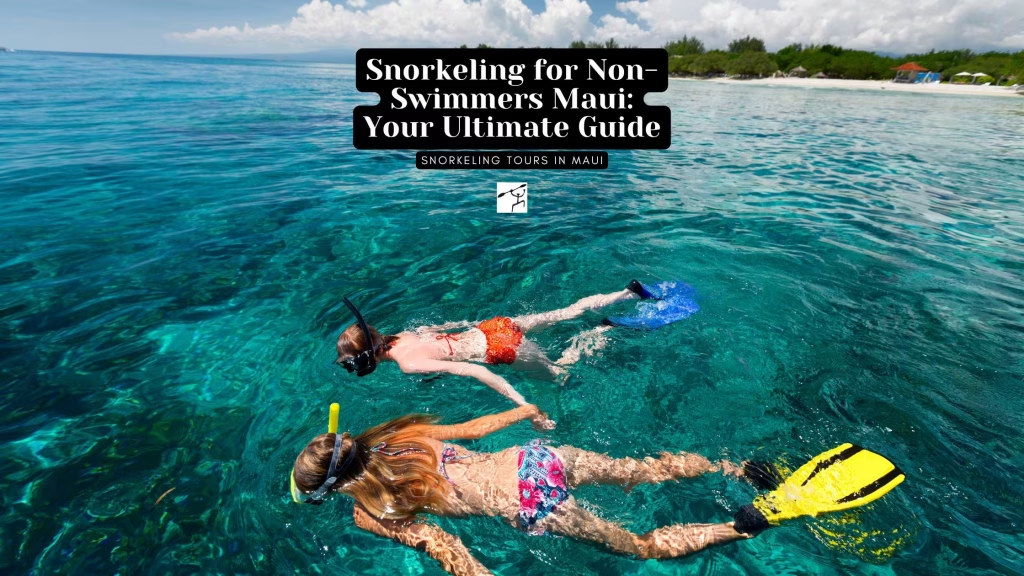
Yes — snorkeling in Maui for non-swimmers is absolutely possible and safe when you use proper flotation gear, choose beginner-friendly locations, and book a guided tour led by certified professionals. You do not need to know how to swim to experience Maui’s breathtaking underwater world.
The Question Everyone Asks Before Their Maui Trip
You’ve seen the photos. Turquoise water, Hawaiian green sea turtles gliding just beneath the surface, and entire schools of neon-colored fish weaving through ancient coral. Maui’s underwater world is one of the most beautiful on the planet and you want in.
But there’s one thing holding you back: you’re not a swimmer.
Here’s what nobody tells you upfront snorkeling in Maui for non-swimmers is one of the most accessible ocean activities in the world when it’s done correctly. Thousands of first-timers, weak swimmers, and complete non-swimmers enjoy Maui’s reefs every single year. The difference between a magical experience and a scary one comes down to three things: the right flotation gear, the right location, and the right guide.
This guide gives you everything you need honest safety advice, the best beginner spots on the island, gear recommendations, and a curated list of the best tours specifically built for non-swimmers in 2026.
Can You Really Snorkel in Maui If You Can't Swim?
Let’s just say it plainly, because too many articles dance around it: yes, you can.
Here’s the thing most people don’t understand until they’re actually in the water snorkeling and swimming are genuinely different activities. Swimming asks your body to move through water under its own power. Snorkeling asks you to float on top of it and breathe through a tube while you look down. That’s it. You’re not doing laps. You’re not treading water in a panic. You are, in the most literal sense, just lying on the ocean’s surface with your face in the water, watching the most incredible nature documentary you’ve ever seen play out in real time beneath you.
The fins on your feet do the gentle propulsion work. A snorkel belt or flotation vest keeps you at the surface without any effort on your part. Your lungs, doing what they already do automatically breathing keep you calm and buoyant.
That said, there is one thing worth being honest with yourself about. There’s a meaningful difference between someone who’s a nervous swimmer and someone who genuinely panics when their face touches water. Both can potentially snorkel in Maui but the second person needs a more gradual approach, and probably more one-on-one time with a guide in shallow water before venturing out. Know which category you fall into. The ocean rewards honesty.
Still not sure which category you fall into? This guide breaks down exactly what level of swimming ability you actually need before heading into the water.
Safety First: What Non-Swimmers Absolutely Need to Know
Before you step a fin into the Pacific, here’s the safety framework every non-swimmer should understand not because we want to scare you, but because knowing this stuff is what makes the whole thing fun instead of stressful.
1. Flotation Is Non-Negotiable
This is the big one. A snorkel, a mask, and fins are not flotation devices they do not keep you at the surface. Only a body-worn flotation device does that. For snorkeling in Maui for non-swimmers, a snorkel belt is the gold standard it wraps around your waist and naturally positions your body in that flat, face-down floating posture that makes snorkeling work. A snorkeling vest is another solid option, giving you chest support with adjustable buoyancy.
Every reputable tour in Maui provides these. If someone tries to hand you just a pool noodle to hold and calls it a day, find a different tour. Wondering whether you can snorkel with a regular life jacket instead? We answer that in detail here.
2. Full-Face Masks Are a Hard No
They look cool in the ads. They are genuinely problematic in practice especially for non-swimmers. Full-face snorkel masks can trap carbon dioxide, make clearing water awkward, and if anything goes sideways, they take longer to remove than a regular mask. Stick with a traditional split-tube snorkel and a standard mask. Your guide will fit it to your face properly so it doesn’t leak. Still curious why full-face masks are such a problem? We break it down here → Are Full Face Snorkel Masks Better?
3. Choose Your Conditions Carefully
Maui’s ocean is not the same every day. Morning roughly 8 to 10 AM is when the water is at its calmest and clearest, before the trade winds start rolling in and roughing up the surface. That’s your window as a non-swimmer. Post-rain days or days with visible white-caps near the shore are days to either pick a different spot or just skip it entirely. There is no shame in that call. The ocean will be there tomorrow.
4. Always Snorkel With a Buddy or Guide
Snorkeling alone is a bad idea for anyone. For a non-swimmer doing snorkeling for non-swimmers in Maui, it’s a non-starter. Always have someone in the water with you which is the most compelling argument for booking a proper guided tour rather than winging it solo off a random beach.
5. Stop Before You’re Tired
Overexertion in the water catches people off guard because the experience feels so passive. You’re floating, you’re relaxed, and then suddenly you realize you’ve been out there for an hour and you’re exhausted. Get back to the boat or the shore before that point, not after. A shorter snorkel where you feel great beats a longer one where you push through fatigue. End on a high note every time.
What to Expect on Your First Snorkel as a Non-Swimmer
Walk into this experience knowing what’s coming, and you’ll walk out wanting to go back.
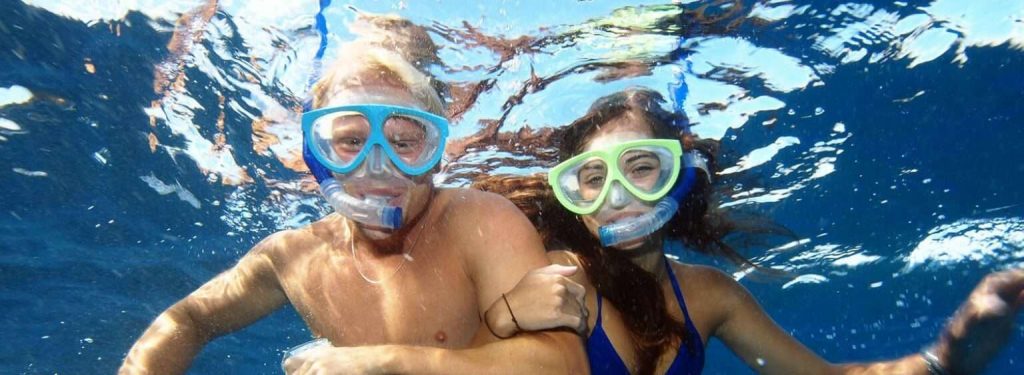
Before you enter the water, your guide briefs you on land. You’ll get fitted for your mask, snorkel, and fins and a good guide will have you practice clearing your snorkel while still standing on the beach. On tours specifically designed for non-swimmers, you’ll spend time in knee-deep water first: practicing floating, getting comfortable with breathing through the tube, feeling the fins on your feet. This part sounds boring. It’s actually the most important 10 minutes of the whole trip, and guides who skip it are cutting corners.
Once you’re in the water, something kind of magical happens. The noise of the world above the boat motor, the chatter, the sound of your own nervousness disappears. Beneath you, there is this completely other world. Parrotfish the color of tropical candy nibbling at coral. Yellow tangs moving in synchronized packs like they rehearsed it. And then if the timing is right and the reef is generous a green sea turtle, unhurried and ancient-feeling, banking slowly through the water column like it owns the place. Because it kind of does.
Your fins move you with almost no effort. Your flotation device holds you at the surface. You are not fighting anything. You are just watching.
After your snorkel, most people come back to shore buzzing. Not just happy genuinely buzzing, the way you feel after something that surprised you. Many non-swimmers who do snorkeling for non-swimmers in Maui for the first time admit that they were terrified going in and didn’t want to get out once they were there. That’s the most common outcome. Plan for it.
Best Locations for Snorkeling in Maui for Non-Swimmers
Where you snorkel matters enormously. Maui has dozens of beaches, but not all of them are appropriate for non-swimmers. These are the ones that consistently deliver on safety, calm conditions, and spectacular marine life.
1. Kapalua Bay — Best Shore Snorkel for Non-Swimmers
If there is one beach on Maui that was practically designed with non-swimmers in mind, it’s Kapalua Bay. The bay’s crescent shape creates a naturally sheltered cove that blocks most wind and wave energy, leaving the interior remarkably calm for the majority of the year. The entry is gradual and sandy you wade in slowly, the floor stays manageable for a while, and the reef begins close enough that you’re seeing fish almost immediately after your face goes in.
This spot makes snorkeling in Maui for non-swimmers feel genuinely effortless. Turtles frequent the area. Parrotfish, tangs, and wrasses practically put on a show. And if you get tired or nervous, you’re never far from the shallows.
Best for: Non-swimmers wanting to try shore snorkeling independently with a flotation device.
2. Napili Bay — Shallow, Sandy, and Serene
Napili sits just south of Kapalua, and while it’s slightly less known, it’s every bit as welcoming for beginners. The bottom stays sandy and gradual for a comforting stretch, which means you can actually stand up if you ever need a moment to reset and that ability to put your feet on the ground is surprisingly powerful when you’re still building water confidence. The rocky edges of the bay draw fish and turtles in close, so the snorkeling rewards are right there without needing to venture far.
Come here early. By mid-morning, it tends to get busier and the winds can pick up.
Best for: Families with nervous first-timers, early morning exploration.
3. Kahekili Beach (Airport Beach) — Reef Right at the Shore
Locals call it Airport Beach before the Kapalua runway was built, this stretch of West Maui was literally where planes landed. Now it’s one of the most underrated beginner snorkel spots on the island. The reef sits almost immediately beyond the water’s edge, which means you don’t have to travel far before the underwater world opens up. That proximity is a big deal for non-swimmers, who often feel most anxious in that initial in-between zone between the shore and the reef.
Add solid facilities restrooms, showers, shaded picnic areas and this becomes an excellent spot for a relaxed, full-morning snorkel session. The best snorkeling for non-swimmers in Maui isn’t always at the most famous beach. Sometimes it’s at the one with the best infrastructure and the most approachable reef access.
Best for: Those who want excellent facilities alongside excellent snorkeling.
4. Maluaka Beach (Turtle Town) — The Turtle Capital of Maui
The name isn’t marketing fluff. The lava formations just offshore at Maluaka genuinely attract Hawaiian green sea turtles in unusually high numbers the algae that grows on the dark rock is a food source they love, and they return to the same spots reliably. The beach entry is gentle and sandy. On calm days, the water in the immediate area is manageable for non-swimmers using flotation gear.
If seeing a sea turtle face-to-face is the single thing on your Maui snorkeling bucket list, plan this stop but pair it with a guided boat tour that takes you to the deeper lava formations where turtle sightings are even more reliable.
Best for: Anyone who has spotting a sea turtle at the very top of their bucket list.
5. Molokini Crater — Beginner-Friendly via Boat Tour
Here’s the one that surprises people the most. Molokini sounds intimidating it’s an offshore volcanic crater, accessible only by boat, with visibility that reaches over 100 feet on a good day. World-class divers go there. But here’s the thing: that exact same visibility, clarity, and calm crater water makes it one of the safest and most breathtaking options for snorkeling in Maui for non-swimmers on a guided boat tour.
The crater’s crescent shape blocks open-ocean swells. The water inside is calm and clear enough that you can see the reef clearly before you even enter. The boat is always right there a stable platform with ladders, shade, and staff. Over 250 species of fish live in and around the crater, making every session genuinely unpredictable in the best way.
Best for: Those who want the most dramatic underwater scenery with maximum safety support.
Best Tours for Snorkeling in Maui for Non-Swimmers in 2026
Choosing the right tour is the single most important decision of your Maui snorkel experience. Here are the ones actually built for non-swimmers not just tours that tolerate non-swimmers.
1. Snorkeling for Non-Swimmers Guided Tour — Wailea Beach
Over 1,100 five-star reviews doesn’t happen by accident. This tour has built its entire experience around first-timers and non-swimmers, with small group sizes that allow guides to genuinely stay with each person rather than managing a crowd. You start in shallow water, practice floating and breathing, get comfortable with your gear, and then move out to the reef when you feel ready not on the tour’s schedule.
Photos and videos are included in the price, which matters more than it sounds. Coming home with actual footage of yourself floating above a sea turtle is the kind of thing that makes the whole trip feel real weeks later.
What’s included: All gear, flotation devices, guide photos/videos, sea scooter option Rating: 4.7/5 (1,100+ reviews)
2. First Timers and Non-Swimmers Snorkeling Experience — Wailea
This one earned TripAdvisor’s top 100 global tours recognition in 2024, and the reviews make clear why: the guides are exceptionally patient. Multiple reviewers people who described themselves as terrified before they showed up describe coming out of the water feeling like a completely different person. The guides don’t just manage you through the experience. They actually help you enjoy it.
The sea scooter option is a game-changer for non-swimmers specifically. Instead of relying on fin kicks to move through the water, you hold onto a small underwater propulsion device that glides you effortlessly through the reef. It removes the physical effort almost entirely and when you’re already managing nerves, removing physical effort is a very good thing.
Best for: Anyone with water anxiety who needs extra one-on-one reassurance.
3. Shoreline Snorkel Maui — Private Shore Tours
For anyone who finds even small groups overwhelming, this is the answer. Shoreline Snorkel Maui runs private sessions with a single guide, one or two guests, in shallow near-shore water at locations chosen specifically for that day’s conditions. No swimming ability required. You set the pace. The guide adjusts to you not the other way around.
It costs more. It’s worth it for the right person. If the idea of being one of ten people on a tour while you’re still figuring out how to breathe through a snorkel feels stressful, go private.
Best for: Non-swimmers with significant water anxiety, couples, solo travelers.
4. Molokini & Turtle Town Catamaran Tour
This is the tour for non-swimmers who are ready to step up to a full boat-based experience and want the most iconic locations Maui has to offer. A catamaran gives you a remarkably stable platform far more so than you’d expect with restrooms, shade, and ladders for easy in-and-out water access. Most catamaran operators now include a full safety briefing specifically for non-swimmers, and guides go into the water alongside you at both stops.
Two stops Molokini Crater followed by Turtle Town gives you genuine variety in one trip. Different water environments, different fish species, different chances for turtle sightings. For anyone wanting the full Maui snorkel experience while still having the safety net of a professional crew, this is the one.
What’s included: Gear, flotation devices, meals, two snorkel stops, guide support. Best for: Non-swimmers ready for the full bucket-list experience.
Essential Gear Guide for Non-Swimmers
Whether you’re renting from a tour or buying your own, here’s what actually matters.
Snorkel Belt or Flotation Vest: This is your lifeline literally. A snorkel belt wraps around your waist and holds your body in the correct face-down floating position while keeping you buoyant without any effort. Most tours provide these as standard. If you’re shore snorkeling independently, bring your own or rent one from a local gear shop before heading to the beach.
Mask and Snorkel: Fit matters more than brand. A mask that doesn’t seal properly to your face will leak constantly, ruining the experience. Before you hit the water, press the mask against your face without using the strap if it suctions naturally, it fits. A dry-top snorkel prevents water entry when waves splash over you, which is especially reassuring for nervous beginners.
Fins: Short fins are the right choice for non-swimmers. Long blade fins give you power you don’t need and create fatigue you don’t want. Short fins let you glide with minimal effort and give you more control in shallow reef areas. Make sure the foot pockets fit snugly but not painfully blisters from loose fins are a surprisingly common complaint.
Reef-Safe Sunscreen: Hawaii law requires it, and Maui enforces it seriously. Apply it 30 minutes before getting in the water. Better yet, wear a rash guard it protects against UV rays and jellyfish stings without putting any chemicals in the water, and it keeps you comfortable in the ocean for longer.
What NOT to bring: Full-face snorkel masks, alcohol before snorkeling, or anything valuable that you’d be devastated to lose to the ocean.
Pro Tips to Make Your First Snorkel Unforgettable
These aren’t generic tips. These come from the collective experience of Maui’s best guides and the feedback of thousands of first-timers who did snorkeling in Maui for non-swimmers before you.
Go early — every single time. The 8 to 10 AM window is not a suggestion. The ocean in that window is a fundamentally different body of water than it is at noon. Calmer surface, better visibility, fewer people. Set the alarm.
Practice breathing through the snorkel on land first. Sit in a chair, put the mouthpiece in, close your eyes, and just breathe through the tube for two minutes. Get used to the sensation before the ocean adds variables. This one drill removes a surprising amount of first-session anxiety.
Don’t touch anything. Not the coral, not the turtles, not the fish. Hawaiian green sea turtles are federally protected, and the 10-foot rule isn’t just polite it’s law. Beyond the legal angle, coral is fragile and takes decades to grow. Even well-intentioned touching causes damage. Watch from a respectful distance and the experience is richer for it.
Let your body go limp. Tension is the enemy of floating. The more you tighten up, the more you work against the water. Take a breath, let your shoulders drop, and trust the flotation device. The moment your body relaxes, the ocean does the rest.
Book small-group tours for your first time. The difference between a 50-person catamaran experience and an 8-person guided session is enormous when you’re still building water confidence. Smaller groups mean the guide actually knows your name and can adapt to your pace.
Check ocean conditions before you go — every day. The Maui Snorkel Report and your tour operator’s daily updates will tell you what the water is doing. Conditions that were perfect yesterday can shift overnight. Non-swimmers especially should check before committing to a shore session.
When NOT to Go Snorkeling (Honest Advice)
One thing the best guides in Maui will always tell you: knowing when to skip it is just as important as knowing how to do it.
Skip the water if you see white-caps forming near the shore. Skip it if the water looks brown or murky that usually means recent rain runoff is affecting visibility and potentially stirring up bacteria. Skip it if a lifeguard has posted advisory signs, even if the water looks okay to your eye. And skip it if you slept badly, feel sick, or just feel off your body is usually telling you something worth listening to.
Snorkeling for non-swimmers in Maui is a rewarding activity precisely because it stays calm and low-pressure. The moment you start pushing through bad conditions or personal exhaustion, it stops being that. There is no award for the most time spent in difficult water. The ocean will be there tomorrow.
Frequently Asked Questions: Snorkeling in Maui for Non-Swimmers
Q: Do I need to know how to swim to go snorkeling in Maui? No. You genuinely don’t. Snorkeling relies on flotation, not swimming strokes. With a snorkel belt or vest and a guide who knows what they’re doing, non-swimmers explore the same reefs, see the same turtles, and experience the same underwater world as everyone else. Snorkeling in Maui for non-swimmers is a legitimate, fully-realized experience — not a compromise version.
Q: Is snorkeling in Maui safe for non-swimmers? Yes, when it’s done with the right gear, location, and support. Body-worn flotation, calm protected bays, a buddy or guide in the water with you, and morning conditions — check those boxes and you’ve got a genuinely safe setup. The hazards come when people skip the flotation, head to exposed beaches, or snorkel alone. Don’t do those things.
Q: What is the best snorkeling tour in Maui for non-swimmers? For 2026, the Wailea Beach Non-Swimmer Guided Tour consistently earns the highest ratings specifically for its patience with first-timers and its small group sizes. Shoreline Snorkel Maui’s private tours are the best option for anyone with significant water anxiety. Both are explicitly designed for snorkeling for non-swimmers in Maui rather than simply tolerating it.
Q: What equipment do I need for snorkeling as a non-swimmer in Maui? A snorkel belt or flotation vest (mandatory), a properly fitted mask, a dry-top snorkel, short fins, reef-safe sunscreen, and ideally a rash guard. Every reputable guided tour in Maui provides all of this. Avoid full-face snorkel masks — they’re genuinely problematic for non-swimmers and beginners.
Q: Can non-swimmers snorkel at Molokini Crater? Yes — and it’s one of the most spectacular options for snorkeling in Maui for non-swimmers precisely because the calm, crater-protected water is ideal for beginners. The boat tour format means you’re never far from a stable platform and a crew that knows what to do. The visibility inside the crater makes everything feel larger and clearer than shore snorkeling.
Q: What is the best time of day for non-swimmers to snorkel in Maui? Morning, consistently — between 8 and 10 AM. The water is at its calmest, visibility peaks before the afternoon sun angle shifts, and the trade winds that tend to rough up the surface haven’t built yet. Book morning tours. Show up early to shore spots before the crowds arrive and the wind picks up.
Q: What marine life will I see snorkeling in Maui as a non-swimmer? Realistically: Hawaiian green sea turtles (especially at Turtle Town and Kapalua Bay), parrotfish, yellow tangs, butterflyfish, Moorish idols, and Maui’s famously-named state fish, the humuhumunukunukuapua’a. Octopus sightings, spotted eagle rays, and spinner dolphins happen often enough that they’re a genuine possibility rather than a fantasy. The best snorkeling for non-swimmers in Maui delivers world-class marine life access — not a consolation prize.
Q: How old do you have to be to go on a non-swimmer snorkel tour in Maui? Most operators welcome children from age 5 or 6 upward, with gear sized appropriately and extra guide attention for young ones. Always check the specific minimum age when booking — it varies by operator and tour format.
The Bottom Line: Maui's Ocean Is Waiting for You
Here’s what it comes down to: the reef doesn’t care that you can’t swim. The turtles certainly don’t. The fish going about their daily business beneath the surface have no idea whether you’re an Olympic swimmer or someone who’s nervous just stepping into a pool.
What the ocean does reward is preparation, calm, and the willingness to show up and float.
Snorkeling in Maui for non-swimmers is not a lesser experience. It’s not the beginner’s menu at a fancy restaurant it’s the full menu, accessed a slightly different way. The coral gardens at Kapalua are the same ones experienced snorkelers rave about. The sea turtles drifting through Turtle Town don’t make a distinction. The visibility inside Molokini Crater is jaw-dropping for everyone who floats inside it, regardless of swimming ability.
Book the right tour small group, non-swimmer friendly, morning departure. Use your flotation gear. Trust your guide. Let your body go limp on the water and breathe.
Everything else takes care of itself.
Mahalo — now go see what’s under the surface.
Snorkeling for Non-Swimmers Maui
Snorkeling for Non-Swimmers Maui
Snorkeling for Non-Swimmers Maui
Snorkeling for Non-Swimmers Maui
Snorkeling for Non-Swimmers MauiSnorkeling for Non-Swimmers Maui
Snorkeling for Non-Swimmers Maui
best beginner snorkeling in maui






1 Comment
Your place is valueble for me. Thanks!…