

Look — seven days in Maui is enough. It really is. But the people who come back saying “it wasn’t enough time” almost always made the same mistakes: left too late every morning, tried to do too much, didn’t book the things that need booking ahead. This Maui itinerary 7 days 2026 is what actually works not the prettied-up version from a resort brochure, but the real day-by-day plan that gets you to the waterfalls before the crowds, on the right boat to Molokini, and back home feeling like you actually rested.
Quick Answer: How to Spend 7 Days in Maui
- Days 1–2: West Maui — Lahaina, Ka’anapali Beach, Kapalua Bay
- Day 3: Road to Hana (full day — start before 7 a.m.)
- Day 4: Haleakalā sunrise + Upcountry Maui
- Day 5: Molokini Crater snorkel + Wailea afternoon
- Day 6: South Maui (Makena, Big Beach, Ahihi-Kīna’u reserve)
- Day 7: Slow morning in Paia, airport by early afternoon
Maui at a Glance: Fast Facts for 2026
- Best months to visit: April–May and September–October (fewer crowds, lower prices than summer)
- Average high-season hotel cost: $350–$700/night; vacation rentals can save 30–40%
- Haleakalā summit reservation: Required — book at recreation.gov; slots open 60 days in advance and sell out fast
- Molokini snorkel tours: $85–$145 per adult depending on operator; book at least 2 weeks ahead in peak season
- Driving: Rent a car — public transit is nearly useless for sightseeing
- Time zone: Hawaii Standard Time (HST), no daylight saving
Day-by-Day Maui Itinerary: How to Spend 7 Days in Maui
Day 1: Arrive, Decompress, Ka'anapali Beach
Every single person who has ever flown into Kahului and tried to pack Day 1 full of activities has regretted it. Every one. Flights from the West Coast land somewhere between noon and 3 p.m. usually then you’re waiting for bags, then the rental car situation takes forever, then you can’t figure out which road goes where, and suddenly it’s 5:30 and you’re starving and nothing is how you imagined it. So just… don’t do that to yourself.
Keep the first day stupid simple. Drop your bags, change your clothes, drive to Ka’anapali Beach. That’s the whole plan.
Ka’anapali is about 3 miles of sand on the western shore and it’s genuinely one of the better beaches in the country wide, the water’s calm enough to actually swim in without getting tossed around, and the north end near Black Rock (locals call it Pu’u Keka’a) has decent snorkeling right off the beach. No boat, no tour, no reservation. Just wade in, look around, and remind yourself that you’re actually here.
For dinner, please don’t eat at the resort restaurant on night one. You’re jet-lagged, you’re not thinking clearly, and you’ll spend $90 per person on food that’s fine but not special. Drive about 10 minutes south to Lahaina and go to Star Noodle instead. The garlic noodles are the thing to get. The Korean short ribs are the other thing. You’ll spend maybe a third of what you would have poolside and you’ll eat better.
Quick word on Lahaina while we’re here: the August 2023 wildfire killed 100 people and destroyed most of the historic Front Street neighborhood. Parts of the town have started reopening, if you want the full picture on what’s actually open in Lahaina right now before you go, that breakdown is worth reading. It’s not the same place it was before, and honestly it probably won’t be for a long time. Go with that in mind buy things from local shops, don’t treat the burned areas like a photo opportunity, and understand you’re visiting a community that’s still carrying something really heavy.
Sleep early. Tomorrow’s an actual day.
Day 2: West Maui — Kapalua, Napili, and the Real Lahaina
There’s a version of West Maui that exists before 9 a.m. and a version that exists after. Before 9: quiet, clear water, parking spots, the beach to yourself or close to it. After 9: tour vans, families with big inflatable floats, not a patch of shade available. Which version you get depends entirely on when you roll out of bed.
Kapalua Bay is worth getting up for. It’s a small crescent-shaped bay with calm, protected water, the snorkeling is good enough that you’ll spend more time in than out. If you’d rather skip the gear-rental scramble and just show up, there are guided shoreline snorkel tours in West Maui that handle everything gear, guides, the whole thing for around $99. Worth considering if it’s your first time and you want someone pointing you toward the turtles.
After Kapalua, drive up toward Napili Bay for coffee, then walk the Kapalua Coastal Trail. It’s a paved path, about 1.76 miles, runs along the top of the cliffs above the water. Free. Takes maybe 45 minutes if you’re not stopping every 30 seconds to look at the view, which you will be. On a clear morning you can see Moloka’i from parts of the trail, just sitting there across the channel like a dark green wall. It’s one of those views that’s hard to explain and easy to take for granted if you’re not paying attention.
The afternoon belongs to Lahaina. Spend a couple of hours there. The parts of Front Street that came through the fire have some genuine life back there are galleries open, a few restaurants, the shave ice places. The big banyan tree is still standing, planted back in 1873, and it covers nearly an entire acre now. It’s one of the largest trees in the United States and most people walk past it in 45 seconds to get to the next thing. Don’t be that person. Sit under it. Look up through it. It’s kind of astonishing if you slow down enough to notice.
Dinner at Mala Ocean Tavern tonight if you can snag a reservation it’s small, fills up, and worth the effort. Tables on the water, good seafood, the kind of meal that stretches on because nobody wants to leave.
Day 3: Road to Hana — Do It Right or Don't Do It
Here’s the truth about the Road to Hana that nobody puts in the travel guides: it can be either the best day of your trip or a grinding, traffic-jammed, granola-bar-for-lunch disappointment and the only thing that separates those two outcomes is what time you leave.
The road is 64.4 miles. It has 620 curves and crosses 59 one-lane bridges. It’s surrounded by rainforest and waterfalls and cliffs dropping into the ocean. It’s also a single road that tens of thousands of tourists try to drive every week in peak season, and by 9 a.m. it turns into a slow crawl where you wait 20 minutes to cross a bridge because someone stopped their rental car in the middle of it to take pictures.
Leave before 7 a.m. Not 7:15. Not “around 7.” Before 7. This is the hill worth dying on.
Here’s where to actually stop keeping this honest, not just throwing every waterfall on the map at you:
- Twin Falls — First major stop, right at the beginning of the route. Easy 10-minute walk, nothing strenuous, usually crowd-free if you’re early. Good warm-up for the day.
- Wai’anapanapa State Park — The black sand beach. Absolutely worth it, but you need a reservation in advance ($5/car + $3/person at gostateparks.hawaii.gov). In 2026 those slots fill up 4–6 weeks out. If you haven’t booked it yet, go do that before you read the rest of this article.
- ‘Ohe’o Gulch (Seven Sacred Pools) — This is part of Haleakalā National Park, so your $35 park pass gets you in. The pools are beautiful. Go if you have time and energy.
- Pipiwai Trail — Four miles round trip through a bamboo forest so dense it blocks out the sun, ending at Waimoku Falls which drops about 400 feet. This is the best hike on the entire Road to Hana. Not the most dramatic sentence, but an accurate one. Do it if your legs are willing.
Genuinely consider staying the night in Hana rather than driving back. The round trip is something like 5–6 hours of driving on top of your stops, and you’ll be wrecked by mid-afternoon. Travaasa Hana is the main option it’s expensive, but waking up in Hana the next morning before the day-trippers arrive is a completely different experience. If the budget allows it, take that option.
Bring your own food. The route has almost no restaurants. The food trucks near the middle are unpredictable. You don’t want to be hungry on that road.
Day 4: Haleakalā Sunrise + Upcountry Maui
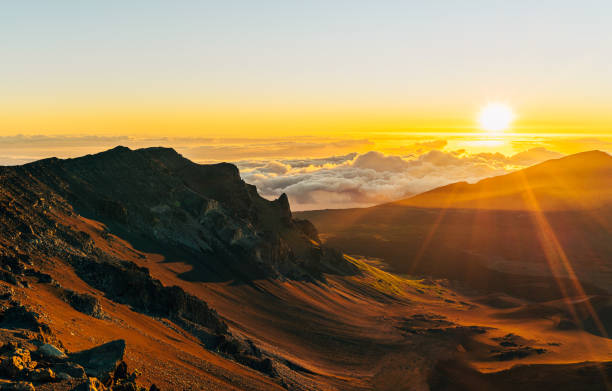
Setting a 3:30 a.m. alarm while on vacation feels like a form of self-punishment. And then you get to the top of Haleakalā and watch the sky do what it does up there, and you completely understand why every person who’s been to Maui tells you to do it.
The volcano summit sits at 10,023 feet. You’re above the cloud layer. When the sun comes up, it starts as a thin line of orange along the horizon and then spreads through purple and pink while the clouds below the summit glow from underneath. It looks like something from a fantasy novel. It doesn’t look like real life. Even people who’ve seen a lot of sunrises and maybe especially those people tend to go quiet up there.
What you need to sort out beforehand:
You need a sunrise reservation from recreation.gov. It’s $1 per vehicle, plus the $35 park entrance fee. The reservation covers the 3 a.m.–7 a.m. entry window specifically without it, the gate staff will turn you around. These reservations open exactly 60 days before the visit date and sell out fast. Sometimes within hours. Sometimes within minutes. Set a calendar reminder and don’t miss the window.
Plan to leave your hotel by 3:30–4 a.m. depending on where you’re staying. West Maui is farther from the summit than South Maui budget accordingly.
And please, bring warm clothes. The summit sits between 30 and 40°F at sunrise on most mornings. People show up in shorts and a light jacket and they’re miserable the whole time, shivering too hard to enjoy any of it. Layers. A hat. Gloves if you have them.
After sunrise, don’t rush back to the coast. Drive down into Upcountry Maui instead the higher-elevation, cooler, agricultural part of the island that most visitors either skip entirely or don’t even know exists. It’s quieter up there. Greener. Less resortified. Kula Lodge does a solid breakfast and keeps the kitchen going until 2 p.m. Eat a lot. You’ve been up since 3 a.m. and you’ve earned it.
If you’ve got kids or genuinely enjoy cheese, the Surfing Goat Dairy is a fun stop. The O’o Farm runs coffee and produce tours for around $30 per person walking a working farm in the Maui highlands is a grounding experience after two days of beach and ocean, and the coffee they grow is legitimately excellent.
You will be exhausted by 2 p.m. That’s fine. Go to bed when it gets dark.
Day 5: Molokini Crater Snorkel + Wailea
Molokini looks like someone took a bite out of a small volcanic island and left the crescent behind. It sits about 2.5 miles offshore from South Maui and it’s one of the few places in Hawaii where you can snorkel in genuinely clear, deep water without being on a dive boat or holding a certification card.
The visibility inside the crater can hit 100 feet on a calm morning. Not 100 feet of water you can vaguely see through 100 feet of actual clarity, where you can watch a reef shark drifting 60 feet below you and see every detail. The fish are thick in there: triggerfish, parrotfish, the occasional sea turtle hanging around the coral like it’s got nowhere to be. First-time snorkelers and experienced divers both tend to come back to the boat pretty quiet.
Book through Pride of Maui or Trilogy Excursions both run roughly $95–$145 per adult and both are worth it. Boats leave from Ma’alaea Harbor around 7:30 a.m. and are back by noon. The cheaper deals floating around online the $60 tours on small boats with 30 people are not the same experience and not worth the savings. Crowded boats, rushed time in the water, and the channel crossing on a small vessel is rough when the swell is up.
If the bigger boat scene isn’t for you or you want a second snorkel day that’s calmer, more intimate, and doesn’t involve 40 strangers on a catamaran a small-group kayak and snorkel tour along the West Maui reef is a solid option. Different experience entirely. More personal. Sea turtles basically guaranteed.
Speaking of the crossing: if you have any history with motion sickness, take something the night before. Dramamine, Bonine, a Scopolamine patch whatever works for you. Finding out you’re seasick at the entrance to Molokini Crater is a particularly awful way to spend money you already spent.
Afternoons in Wailea are made for doing nothing, which is harder to do than it sounds after a few days of itinerary-following. Wailea Beach is beautifully calm clearer water than Ka’anapali, more manicured, less busy in the mornings. There’s a coastal walking path behind the resort properties, about 1.5 miles, and it’s the kind of walk where you keep stopping to look at the water. Get something cold from the path cart and just walk slowly.
For dinner, Monkeypod Kitchen in Wailea is good the macadamia nut pie is what everyone orders and everyone is right to order it. But if you want to save some money, Kīhei is 10 minutes north and feels completely different: more local, less resort-polished, and Nalu’s South Shore Grill there will run you about half what Wailea does.
Day 6: South Maui — Big Beach, Makena, and Ahihi-Kīna'u
Makena State Beach Park — Big Beach to literally everyone who’s been there is about a mile of wide, exposed, completely undeveloped sand. No resort hotels stacked up behind it. No beach vendors. Just a big, raw stretch of coast with shorebreak that has a very short patience for people who underestimate it.
It’s not a calm-water beach. The waves break hard and fast and they’ll absolutely knock you over if you’re not ready for them. That’s not a reason to skip it it’s just worth knowing before you wade in like it’s a resort pool. Stand at the shoreline and watch the water for a minute before you commit. That said, on calmer mornings it’s swimmable and it’s one of the most visually honest beaches on the island no infrastructure, no polish, just Maui as it actually is.
Walk north over the small lava outcrop at the far end of Big Beach and you’ll hit Little Beach. It’s clothing-optional, which surprises some people and delights others. On Sunday evenings there’s a drum circle at sunset that’s been going on long enough to be a legitimate local tradition. Low-key crowd, friendly vibe, a nice way to spend an hour if you happen to be there.
After the beach, drive 15 minutes south to Ahihi-Kīna’u Natural Area Reserve. The coastline there is old lava flow jet black, jagged, looks almost alien and the snorkeling in the protected cove is some of the better shore snorkeling on the island. Protected status means the fish population is genuinely thick. Go before 9 a.m. or after 2 p.m. because the parking fills up and there’s nowhere nearby to overflow.
Last full dinner: Kō Restaurant at the Fairmont Kea Lani if the budget allows it. Their menu is seasonal, local-sourced, and actually interesting most of the produce comes from within 30 miles of the kitchen. It’s the right kind of splurge for a final night.
Day 7: Paia, North Shore, and Heading Home
Don’t try to do one more big thing today. Seriously. Every time someone tries to squeeze in a sunrise hike or one last snorkel spot on a checkout morning, they end up rushed and stressed and the last memory of the trip is white-knuckling it to the airport. Maui doesn’t need to end that way.
Paia is the move. It’s a small surf town on the North Shore, two blocks of main street, and it sits about 10 minutes from Kahului Airport which makes it a perfect final stop. Get there around 9 a.m. and just walk around. Eat breakfast at Café des Amis, which does crêpes and Indian food in the same tiny space, a combination that sounds like a mistake and is absolutely not. Or grab coffee and something from Paia Bay Coffee and find a bench outside. Let the morning be easy.
If you’ve got an evening flight, drive 15 minutes east to Ho’okipa Beach Park. You’re not getting in the water there the surf is serious and it’s an active break but there’s a cliff overlook above the beach where you can watch world-class windsurfers and kitesurfers doing things that don’t look physically possible. It’s free, it’s legitimately impressive, and it’s a better final hour than sitting at a departure gate for an extra 45 minutes.
Morning flight? Skip Ho’okipa. Paia breakfast, then straight to the airport. Kahului is small TSA moves fast. But the rental car return can stack up badly in peak season, so leave 90 minutes of buffer and don’t cut it close.
Go home tired and full and happy. That’s the goal.
What Does a 7-Day Maui Trip Actually Cost in 2026?
Let’s be real about the numbers, because most travel blogs post the aspirational budget and not the actual one. Here’s what a one week Maui itinerary actually runs for two people in 2026:
| Expense | Budget | Mid-Range | Splurge |
|---|---|---|---|
| Accommodation (6 nights) | $900 (vacation rental) | $2,100 (3-star hotel) | $5,000+ (resort) |
| Car rental | $420 | $560 | $700 |
| Food (per person, per day) | $60 | $120 | $200+ |
| Activities | $200 (minimal tours) | $450 (Molokini + Hana overnight) | $800+ |
| Total (2 people) | ~$2,700 | ~$5,200 | $9,000+ |
The number that moves most is accommodation. An oceanfront resort room in Wailea runs $500–$900 a night. A vacation rental a mile inland same weather, same beaches, same sunsets, same everything runs $200–$350. The public beach access law in Hawaii means nobody owns the shoreline. You’re not buying proximity to the ocean when you book a resort. You’re buying the view from the room and the valet.
Worth knowing for 2026: short-term rental regulations tightened in 2024–2025 and inventory in some areas is down. Book vacation rentals 3–4 months out for summer or holiday travel. The good ones go fast and they don’t come back.
Maui Trip Planning 2026: What's Changed Since Last Year
A few things are genuinely different going into Maui trip planning 2026, and the generic travel sites haven’t caught up with all of it.
Lahaina is still recovering. That’s not a warning to avoid it it’s just the reality. Front Street has partial life back in it. Some restaurants and shops have returned. The community wants visitors and needs the economic support. But don’t show up expecting the Lahaina from old Instagram posts, because that version of the town isn’t there yet.
Wai’anapanapa State Park reservations still sell out weeks in advance. Book through gostateparks.hawaii.gov as early as you can. The $5 car fee and $3 per person are not the problem availability is.
Haleakalā sunrise slots open 60 days out on recreation.gov and still sell out embarrassingly fast. The 4–6 a.m. window in particular goes within hours of opening. Put a reminder on your phone for exactly 60 days before your visit date. Don’t wing it.
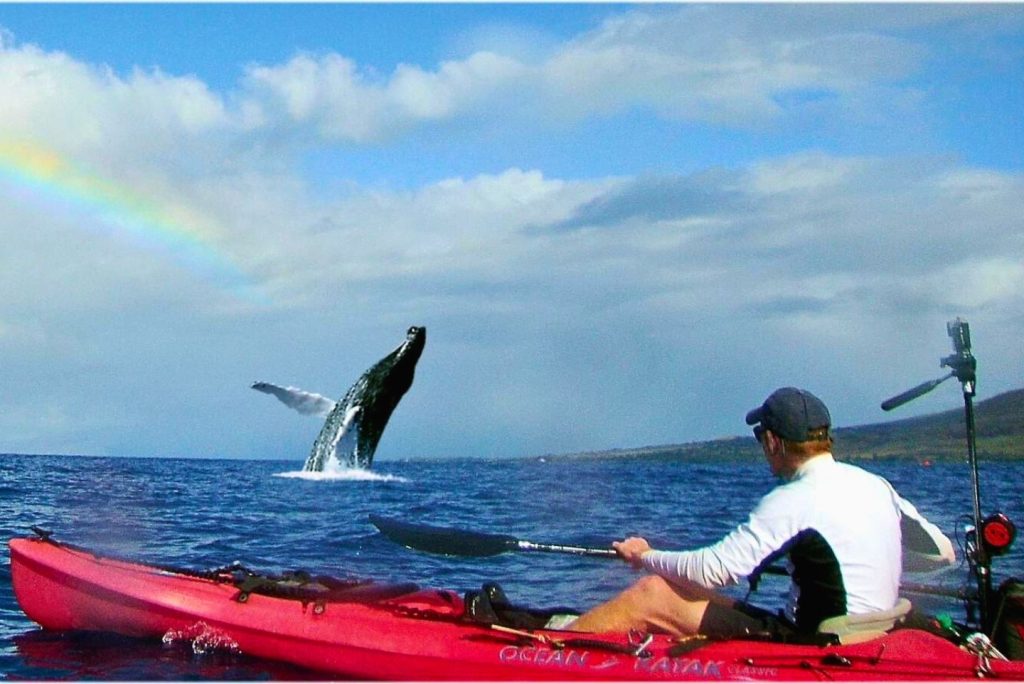
One thing that’s a genuine upside: Maui’s humpback whale season runs roughly November through April, and the channel waters off the West and South shores are one of the better whale-watching spots in the Pacific. If your trip falls in that window and you haven’t looked into a whale watch, it’s worth building into your itinerary. A kayak whale watch tour puts you in the water at paddle-height not on a big catamaran looking down which is a completely different experience when a 40-ton humpback surfaces 20 feet away.
FAQ: Real Questions About a 7-Day Maui Itinerary
1. Is 7 days enough time for Maui?
Yeah, it is if you actually plan it. A solid Maui day by day plan over seven days gets you the Road to Hana, Haleakalā sunrise, a snorkel trip to Molokini, and beach time on the west, south, and north shores without feeling like you’re sprinting through it. Ten days is more relaxed, but a week isn’t a compromise. People come back from seven-day Maui trips feeling like they actually saw the island. That’s the goal.
2. What is the best time of year to visit Maui in 2026?
April to May or September to October those shoulder seasons hit a sweet spot where the weather is basically identical to summer but the prices drop and the beaches breathe a little. June through August is peak: schools are out, everything fills up, and hotel rates jump. December and January are busy too but you get humpback whales in the channel, which is genuinely spectacular if that matters to you.
3. Do I need a rental car in Maui?
Yes. There’s a bus (the Maui Bus) but it won’t take you to the Road to Hana, Haleakalā, Makena, or Upcountry which is basically your entire itinerary. Book the rental car early, especially for summer. Prices in peak season can spike dramatically as availability shrinks, and you don’t want to be renting from the only counter that still has cars available.
4. How far in advance should I book Haleakalā sunrise?
Book on recreation.gov exactly 60 days before your visit date, the moment the window opens. And mean it some people set alarms for midnight on that day. The sunrise entry slots (3 a.m. to 7 a.m.) sell out in hours on popular dates, sometimes faster. If you miss it, check back periodically for cancellations, they do happen. But don’t count on it.
5. What should I know about the Lahaina fire before visiting?
The August 2023 wildfire killed 100 people and wiped out most of historic Lahaina. It’s the deadliest U.S. wildfire in over 100 years. Parts of the area have started reopening, and local businesses genuinely need visitors. Go just go thoughtfully. Spend money at local shops. Skip the ruin-photography. Understand that people in that community are still grieving and rebuilding, and be a good guest.
6. Is Molokini worth it — or is it overrated?
For most people on a first trip to Maui, yes, absolutely worth it. The underwater visibility inside the crater is unlike anything you’ll see from shore 100-foot clarity on a good day, dense marine life, and a setting that’s genuinely unusual. It’s not cheap and the boat crossing can be rough. But it belongs in a solid what to do Maui 7 days itinerary for most people. The only exception is if you’ve snorkeled somewhere like the Maldives or Raja Ampat then your benchmark is different and you might find it underwhelming. Most people won’t.
7. What’s the most common mistake tourists make in Maui?
Two things, always together: trying to do too much, and starting too late. Road to Hana leaving at 9 a.m. in July. Showing up to Kapalua Bay at 11 when the good parking is gone and the beach is packed. Haleakalā at noon because the sunrise reservation was already sold out. Every one of these is fixable with earlier starts and a bit of advance planning. Maui heavily rewards the early riser and gently punishes everyone else.
8. Is Maui still worth visiting after the 2023 fires?
Without any hesitation yes. The fires affected one town. Everything else the Road to Hana, Haleakalā, Molokini, the North Shore, South Maui, Upcountry, the National Parks all of it is completely intact. The island isn’t damaged. Lahaina is recovering. And the tourism economy is a meaningful part of that recovery. Going to Maui now, spending locally, and being a thoughtful visitor is genuinely useful in a way that staying home is not.
Bottom Line
The best Maui itinerary 7 days 2026 isn’t complicated it’s just a matter of booking the important stuff early (Haleakalā, Wai’anapanapa, Molokini) and leaving every single morning before the rest of the island wakes up. Do those two things consistently and the week takes care of itself. Seven days really is enough time, and if you’re planning it right for 2026, this is the plan.