

Yes — Maui is safe to visit in 2026. The wildfire that tore through Lahaina in August 2023 hit hard, but it was contained to a small stretch of the island. Everything else – Wailea, Kihei, Paia, Kaanapali, Hana is wide open and running normally. Go.
Quick answer

 Yes — Kihei, Wailea, Kaanapali, Paia, Hana, and Upcountry are fully open
 Lahaina town burn zone is still restricted don’t go looking for a disaster photo
- Beaches, snorkeling spots, hiking trails, and resorts are operating normally
- No active Maui travel advisory from the U.S. State Department
 Spending money here right now is one of the most direct ways to support local recovery.
At a Glance: Maui 2026 Fast Facts
| Factor | Status |
|---|---|
| Overall safety | ✅ Safe for tourists |
| Lahaina town | ⚠️ Still restricted / closed to visitors |
| Kaanapali Beach | ✅ Fully open |
| Wailea & Kihei | ✅ Fully open |
| Road to Hana | ✅ Open |
| Wildfire smoke risk | Low — wildfires were contained in 2023 |
| Best time to visit | April–May or September–October (fewer crowds, lower prices) |
| Average hotel cost | $350–$600/night for mid-range resorts |
Is Maui Safe to Visit in 2026 After the Wildfires?
The short answer is yes — but it requires a bit more nuance than a simple thumbs-up.
Here’s what most travel sites won’t say plainly: the August 2023 wildfire was geographically specific. It tore through Lahaina town and climbed the hillsides above it. That was it. The rest of the island which covers more than 700 square miles saw none of it.
People who live in Wailea woke up the next morning to the same blue sky they always see. Paia was fine. The Road to Hana was fine. Haleakala was fine. The fire was catastrophic for Lahaina, and 101 people died. But it was not an island-wide disaster in terms of physical destruction it was one community’s loss, and a profound one.
By 2026, Maui tourism recovery is well underway. Visitor numbers have climbed back close to pre-fire levels. The major resort corridors are running normally. The restaurants in Kihei that were packed before the fire are still packed. Wailea Beach hasn’t changed. Snorkeling is as good as it ever was you still go out on a morning boat, drop anchor, and snorkel with sea turtles at Turtle Reef just like before 2023.
What has changed is Lahaina itself. The waterfront, Front Street, the historic buildings gone. What’s left is a remediation zone that’s still being cleared of toxic debris. The famous Lahaina Banyan Tree survived, somehow, and it’s growing back. But the town as a tourist destination does not exist right now, and won’t for several years at minimum.
The Maui travel advisory situation is straightforward: there isn’t one. The U.S. State Department has issued no advisory for Hawaii in 2026. What exists locally are specific access restrictions for the Lahaina burn zone enforced by the county, not suggestions.
What Areas of Maui Are Safe — and Which Should You Avoid?
Most of Maui. That’s the honest answer. But here’s the breakdown so you actually know where you’re going.
Where you can go without any hesitation:
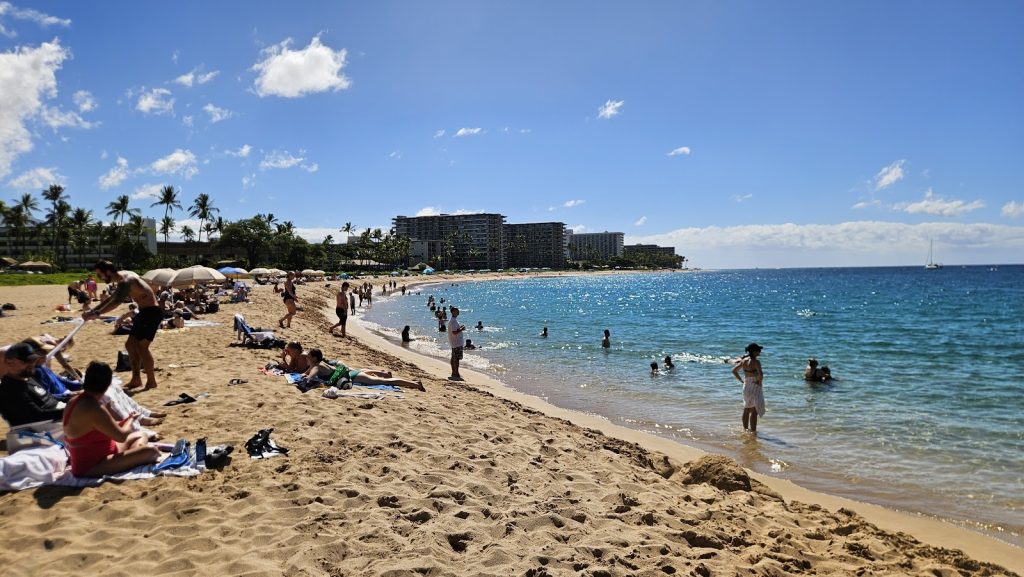
South Maui — Kihei and Wailea This is the dry, sunny side of the island. Three to four miles of calm, south-facing beaches run through Wailea: Wailea Beach, Polo Beach, Ulua Beach. The water is gentle enough for kids, clear enough for snorkeling without a guide. Kihei is the more affordable, less resort-heavy alternative a strip of condos, local restaurants, and surf shops that runs along Kamaole Beach Parks I, II, and III.
West Maui — Kaanapali (north of Lahaina) The big resort strip Kaanapali Beach, the Whalers Village shopping center, Black Rock is fully operational. Kaanapali is about four miles north of Lahaina and was not touched by the fire. If you’re staying at one of the big hotels here, your experience in 2026 will be completely normal.
North Shore — Paia and Hookipa Paia is a small town with good coffee, great fish tacos at Milagros, and a specific type of laid-back energy that’s hard to find elsewhere on the island. Hookipa Beach just east of town is one of the world’s top windsurfing spots even if you’re not surfing, watching pros launch off waves in the afternoon trade winds is worth stopping for.
Road to Hana Fully open. Twin Falls, Wailua Falls, the bamboo forest on the Pipiwai Trail, Hamoa Beach all accessible. The drive itself is 64 miles of one-lane bridges and hairpin turns through rainforest. Take your time. Don’t try to rush it.
Upcountry and Haleakala The summit road to Haleakala National Park is open. Sunrise visits require a reservation booked through recreation.gov these go fast, often selling out 60 days in advance. The Kipahulu side of the park (where the Pools of Ohe’o and the Pipiwai Trail are) requires a separate entrance fee but no reservation.
Where to use judgment:
Lahaina town proper The burn zone has restricted access and active environmental remediation underway. Some roads on the periphery are open; the core of what was old Lahaina is not. GPS will still route you through areas that aren’t appropriate for tourist stops. If you want to see the banyan tree, the Lahaina Harbor area has some access but go with the intention of paying respects, not sightseeing.
Is Hawaii Safe in 2026 Generally?
Beyond Maui specifically, is Hawaii safe in 2026 as a whole? Yes, there are no state-level travel advisories and no island-wide safety concerns that should make you hesitate about booking.
The Big Island has ongoing volcanic activity near Kilauea, as it has for most of recorded history. That activity is monitored by the USGS Hawaiian Volcano Observatory in real time, and it doesn’t affect the resort areas on the Kohala Coast or Kona side. Oahu is entirely normal. Kauai had some road damage on the North Shore from storms a few years back most of that infrastructure has since been repaired.
Standard ocean safety rules apply everywhere in Hawaii and they’re worth taking seriously. The Pacific here isn’t the Caribbean. North shore surf in winter (November through March) reaches 20 to 30 feet at spots like Pipeline on Oahu and Hookipa on Maui. Those beaches are for watching, not swimming, unless you’re an experienced big-wave surfer. The south-facing beaches Wailea, Kihei, Poipu on Kauai are far calmer and appropriate for families and casual swimmers year-round.
One thing that catches people off guard: if you’re at a beach and there are zero other swimmers in the water, pay attention to why. Usually it’s posted signs about high surf or a recent water quality advisory. Check the Hawaii Department of Health’s beach advisory page before you swim anywhere unfamiliar.
How Has Maui Tourism Recovery Changed the Experience for Visitors?
In some ways, Maui right now is a more thoughtful travel destination than it was before 2023 and that’s worth saying without sugarcoating what caused it.
Pre-fire Maui was showing the strain of 3 million annual visitors in a place with limited roads, limited water, and a local housing market that was already under severe pressure. The Road to Hana on a Saturday morning was a slow-moving convoy. Parking at Makena State Beach was a 45-minute wait. Locals were vocal and justified in saying the island was being used up.
The Hawaii Tourism Authority has since shifted its strategy. The focus now is on what they call “pono tourism” responsible, culturally respectful travel that gives back rather than just extracts. In practice, that means:
Timed entry systems are expanding. Haleakala sunrise requires a reservation. Some popular trailheads now have entry windows too. This isn’t a bureaucratic annoyance it’s the difference between a serene hike and a traffic jam on a trail.
Cultural experiences are getting easier to find and book. Lo’i kalo restoration programs (traditional Hawaiian taro farming), outrigger canoe paddling with Hawaiian cultural practitioners, traditional navigation and storytelling these exist and they’re worth seeking out over another generic luau.
Lahaina businesses relocated. Many of the restaurants and shops that were in Lahaina have reopened in Wailuku, Kihei, and other towns. Some of the best plate lunch spots in Maui right now are run by families who lost their Lahaina locations and started over. Seek them out.
One thing that hasn’t changed: the cost. Maui is expensive, and pretending otherwise sets you up for sticker shock. A car rental runs $80–$120 per day and you need a car, because Maui has no functional public transit. Food at a sit-down restaurant will run $25–$45 per person before drinks. A week for two people, mid-range, is realistically $5,000–$7,500 all in.

Maui Safety Tips: What Every Visitor Should Know in 2026
These are the things that actually matter not the boilerplate stuff about wearing sunscreen (though yes, wear sunscreen).
1. Book Haleakala sunrise before you book your flights This sounds dramatic but isn’t. Sunrise reservations at Haleakala open 60 days in advance on recreation.gov and sell out within hours sometimes minutes. If you miss the window, you miss the sunrise. There’s no workaround. No line to wait in. The gate is closed to unreserved vehicles during the reservation window. Check the date, set a reminder, and book it first.
2. Don’t treat Lahaina like a tourist attraction People lost family members there. Their homes, their businesses, their entire neighborhood. The burn zone isn’t an attraction it’s an active recovery site. If you want to acknowledge what happened, the banyan tree at Lahaina Harbor is the appropriate place to do it. Quietly.
3. Leave nothing valuable in your car Smash-and-grab break-ins happen at trailhead parking lots. Not constantly, but enough that it’s a known issue. The trunk isn’t safe. The under-seat isn’t safe. Leave laptops, cameras, and passports at your accommodation. Every time.
4. UV index here is not a joke Maui sits at 20 degrees latitude. On a clear day, the UV index regularly hits 11 or 12 the “extreme” category. You can burn in 15 minutes without protection, even through a thin shirt when you’re on the water. Hawaii law requires reef-safe sunscreen specifically, products free of oxybenzone and octinoxate. Beyond legality, it’s the right call. The reef systems here are worth protecting.
5. Swim with some awareness The ocean conditions in Maui can change faster than weather apps reflect. Surf report apps like Surfline give you real-time swell data and are far more useful than a general weather forecast. South swells in summer occasionally make even the usually-calm south shore choppy. Check before you go in.
6. Respect kapu signs and private land boundaries Some of the places that look incredible on Instagram in Maui are on private land, or have been closed after injuries and overuse. “Kapu” means forbidden in Hawaiian it’s not a suggestion. Trespassing fines are enforced. Beyond legality, if a trail or waterfall has been closed by a landowner, there’s usually a good reason involving someone getting hurt.
Is Lahaina Safe to Visit in 2026?
Not as a tourist destination and it’s worth being direct about that rather than hedging.
The Lahaina that appeared in every Maui travel guide the galleries on Front Street, the Pioneer Inn, the waterfront bars, the old whaling town architecture doesn’t exist in that form anymore. The fire took most of it. What remains is a remediation site with environmental hazards including toxic ash, contaminated soil, and debris that required specialized cleanup.
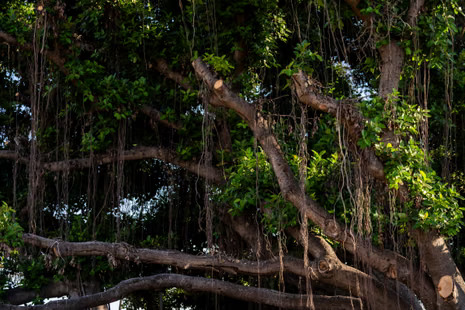
The Lahaina Banyan Tree, planted in 1873 and one of the largest banyan trees in the United States, survived. It was badly scorched and looked dead for months. By 2026, it’s putting out new growth aerial roots, new leaf canopy. Seeing it is unexpectedly moving. The harbor area around it has limited access for visitors who want to pay their respects.
Reconstruction plans exist. The community has been clear repeatedly and forcefully that they want Lahaina rebuilt as a Hawaiian town, not converted into a sanitized resort development. What that looks like, and when it happens, is still being worked out. Realistic estimates put meaningful visible reconstruction at 2027 at the earliest, with full restoration taking the better part of a decade.
For now, if Lahaina was the main reason you wanted to come to Maui, understand that it requires a different kind of visit one where you acknowledge what was lost and support the broader community, rather than looking for the destination you saw in old travel photos.
For the full picture of exactly what’s accessible and how to visit respectfully, see our complete Lahaina 2026 guide.
FAQ: Is Maui Safe to Visit in 2026?
Is Maui still closed because of wildfires? No. Maui is open. Only the Lahaina burn zone has restricted access. Every major beach, resort area, hiking trail, and attraction outside of that specific zone is operating normally in 2026.
Should I avoid Maui out of respect for wildfire victims? The community’s answer to this has been consistent: please come. Tourism revenue is the economic engine that funds local recovery. Businesses rebuilt and relocated. Workers went back to work. Staying home out of a sense of guilt actively harms the people most affected. Come, spend your money locally, and be respectful about Lahaina.
Is the air quality in Maui safe in 2026? Yes. The wildfire smoke was a 2023 issue, not an ongoing one. Air quality across Maui is normal. The trade winds that flow across the island year-round keep the air clean. There are no air quality advisories in place.
Are there any travel warnings for Maui in 2026? No U.S. State Department travel advisory exists for Maui or Hawaii in 2026. The local access restrictions for the Lahaina burn zone are county-level enforcement, not a travel warning. Standard travel precautions apply — the same ones you’d use anywhere.
Is Kaanapali Beach open in 2026? Fully open. Kaanapali Beach, the hotels along the strip, and Whalers Village are all operating normally. The beach itself is one of the best on the island — long, wide, calm enough for swimming, with Black Rock at the north end for snorkeling.
What’s the best area to stay in Maui right now? For first-timers, Wailea gives you reliable sun, calm water, and a walkable resort area. For a more local experience — better food, more character, lower prices — Kihei is the better call. Paia suits you if you want proximity to the north shore and don’t mind a longer drive to south side beaches.
Is it safe to hike in Maui in 2026? Yes, with preparation. Bring more water than you think you need, check trail conditions on the NPS website before you go, and wear actual hiking shoes rather than flip-flops. The Pipiwai Trail in Kipahulu, the Waihee Ridge Trail, and the trails at Polipoli Spring State Recreation Area are all worth your time.
How much does a trip to Maui cost in 2026? For two people, a week in Maui mid-range runs $5,000–$7,500 total — including flights, accommodation at a decent hotel, car rental, food, and activities. Budget travelers can get under that with condos and cooking some meals. There’s no real way to do Maui cheaply and still have a good experience.
Bottom Line
Is Maui safe to visit in 2026? Completely, for the vast majority of the island. Go to Wailea, drive to Hana, watch the sunrise from Haleakala if you book early enough, eat at places that relocated from Lahaina and started over. That’s the trip. That’s also how you actually help a community that’s still finding its footing.
When you’re ready for the water, book a kayak or snorkel tour with us, it’s the most direct way to see what makes this coastline worth the trip.