

Yes, kayaking while pregnant is generally safe through your first two trimesters if your doctor clears you and you paddle calm, protected water — the risk isn’t the baby bump, it’s the conditions underneath you. Choppy channels and open ocean swell are where things go wrong; a flat, shallow bay like Olowalu Beach is a different sport entirely. Hawaii’s warm water and Maui’s guided tours make this an easier “yes” than most mainland guides will give you, but that doesn’t mean every trimester, every tour, or every day on the water gets a green light. Here’s what actually matters, trimester by trimester, plus what Maui’s own kayak guides tell expecting moms before they touch a paddle.
Quick Answer
- First and second trimester: usually fine on calm water with your OB’s OK.
- Third trimester: most guides, ours included, recommend shorter trips only, or sitting this one out.
- Water matters more than the pregnancy: flat, protected bays like Olowalu are a different risk category than open ocean or whitewater.
- Gear non-negotiable: a properly fitted life jacket, every time, no exceptions.
- When unsure, call first: a two-minute phone call to your tour operator saves a wasted trip to the beach.
At a Glance
- Best trimester window: weeks 1–27, with medical clearance
- Olowalu’s average wave height: about 2 feet, the calmest water on Maui
- Maui ocean temperature: 75–80°F year-round, so cold-water shock isn’t really a factor
- Guided tours here run 3.5 hours total, with roughly 90 minutes of actual paddling
- Hawaii law: a Coast Guard-approved life jacket must be aboard for every paddler
- Whale season (Dec 15–May 15) brings extra boat traffic and a 100-yard minimum distance from whales
Is Kayaking While Pregnant Actually Safe?
Doctors aren’t united on a single rulebook here, and that’s the honest starting point. The American College of Obstetricians and Gynecologists recommends at least 150 minutes of moderate-intensity aerobic activity a week during an uncomplicated pregnancy, and paddling a sit-on-top kayak on flat water fits that description well. Use the talk test to judge your effort: you should be able to hold a conversation without gasping, but singing should feel like a stretch.
What ACOG specifically flags as risky is worth knowing, because it’s narrower than most people assume. Contact sports, activities with a real fall risk think downhill skiing, horseback riding, surfing and anything that overheats you top that list. Kayaking on calm water doesn’t show up on it by name, and that tells you something useful: paddling itself isn’t the hazard. Getting dumped into open water, fighting a current, or spending hours hunched in a narrow racing shell those are the actual risk factors, and they’re about conditions and kayak choice, not pregnancy itself.
Your balance changes as pregnancy progresses. A hormone called relaxin loosens your ligaments starting in the first trimester, and your center of gravity shifts as your belly grows, both of which make quick, twisting movements harder to control. None of that rules out kayaking. It does mean a wide, stable sit-on-top kayak beats a narrow touring model, and a guided tour with a patient crew beats a solo trip into unfamiliar water.
This isn’t medical advice, and nothing here replaces an actual conversation with your OB or midwife. Bring up your due date, your activity level, and any complications before you book anything. If your pregnancy is high-risk, or you’re dealing with bleeding, severe fatigue, or anything your doctor has already flagged, kayaking goes on the “ask first” list, not the “just go” list.
Is Kayaking Safe in Every Trimester of Pregnancy?
Kayaking during pregnancy isn’t a single yes-or-no question. What’s fine in week 8 might not be fine in week 34, and Maui guides adjust their advice at every stage rather than giving one blanket answer.
Is It Safe to Kayak in the First Trimester?
Morning sickness and fatigue hit hardest here, and they don’t care what time of day you booked your tour. Plenty of women feel completely normal by week 10; others feel wiped out through week 13. Judge the day, not the calendar — if you wake up nauseated or exhausted, reschedule. Most Maui tour operators, ours included, will move your booking without a fight if you call ahead.
On a good day, a short paddle on flat water is typically fine once your doctor has cleared general exercise. Keep trips shorter than usual, drink more water than feels necessary, and skip anything involving an intentional flip or roll practice. Some tours build that in for thrill-seekers — ask before you book.
Is It Safe to Kayak in the Second Trimester?
This is usually the sweet spot. Energy tends to come back, morning sickness fades for most people, and your belly hasn’t grown large enough yet to seriously affect your balance in a wide, stable kayak. Guides who work with pregnant paddlers regularly say this window, roughly weeks 14 through 26, produces the fewest complaints and the most requests to do it again.
That said, “sweet spot” doesn’t mean no rules. Stick to protected water, keep the pace conversational, and get off the water during the hottest stretch of the afternoon. Second-trimester paddlers overheat just as easily as anyone else, sometimes faster.
Is It Safe to Kayak in the Third Trimester?
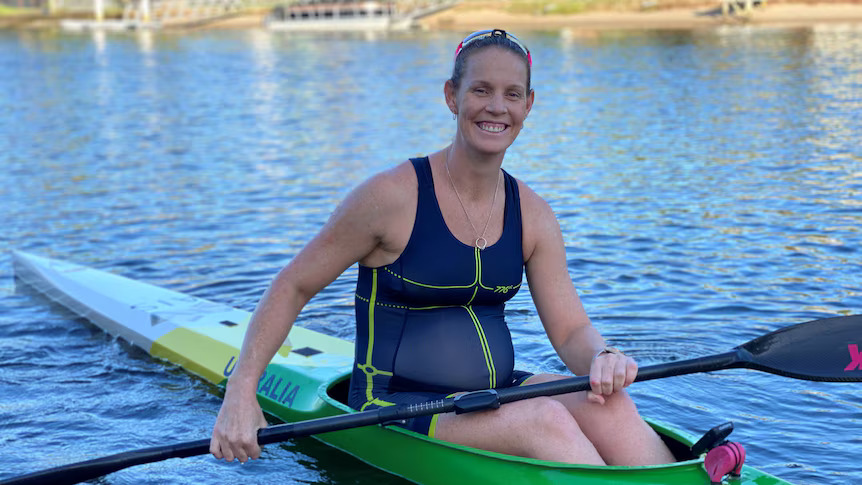
This is where most guides, Maui-based ones included, start saying “maybe not” more often than “sure.” Your center of gravity has shifted, climbing in and out of a kayak takes real effort, and a fall that would have been a non-event in month four carries more weight in month eight — literally.
It’s not an automatic no. Some third-trimester paddlers with easy pregnancies and calm-water experience still go out, always with a partner, always close to shore, always for a shorter trip than they’d normally take. But picture a 90-minute paddle plus snorkeling back to back — that’s a full, physical morning to ask of a body this close to delivery. A better move for many: swap the kayak tour for the shorter, no-kayak option.
What Are the Ground Rules for Paddling While Pregnant?
Cut through the noise, and paddling while pregnant on Maui comes down to seven rules our guides repeat more than anything else. None of them require you to be an athlete before you start.
- Get your doctor’s OK first, every trimester, not just once — bodies change fast over nine months.
- Choose a wide, sit-on-top kayak over a narrow touring or racing model; stability beats speed here.
- Paddle protected, flat water only — no open ocean swell, no whitewater, no exceptions.
- Wear a properly fitted life jacket the entire time, not just at launch.
- Go tandem with a guide or partner instead of paddling solo, so someone else can take over if you tire.
- Cap the trip at two hours of actual paddling, less if you’re past week 27.
- Stop the moment something feels wrong. Dizziness, cramping, or unusual pain means head to shore, no debate.
If you only remember one line from this whole list, make it this: water conditions matter more than the pregnancy does. A calm, shallow bay in your second trimester is a safer bet than choppy open water in your first, and no amount of fitness changes that math.
Is Kayaking Safe During Pregnancy on Maui, Specifically?
Generic paddling advice treats all water the same, and that’s where it falls apart for anyone thinking about kayaking during pregnancy in Hawaii. At Maui Adventure Tours Kayak Co., every guided tour launches from Olowalu Beach on Maui’s west side instead of the open coast near Lahaina Harbor, and that choice matters more for a pregnant paddler than almost anything else on this page.
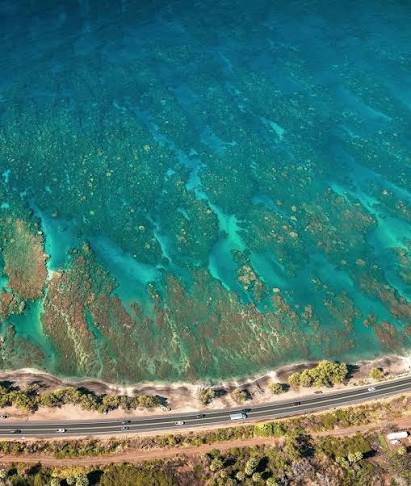
Olowalu averages a wave height of around two feet, the calmest stretch of coastline on the island. The ocean itself sits between 75°F and 80°F year-round, so the cold-water-shock risk that mainland guides warn about barely applies here. You won’t need a wetsuit, and a sudden dunk won’t put your body into the kind of shock a winter flip in a Great Lakes state would.
The tours themselves run longer than a quick paddle, and it’s worth knowing that before you book. The Kayak and Snorkel West Maui at Olowalu tour runs 3.5 hours door to door, with about 90 minutes of that spent actually paddling and another 90 minutes snorkeling. Honest note: 90 minutes of continuous paddling is more than some pregnant travelers want, especially in the heat of a Maui afternoon. If you’re early in pregnancy and feeling good, it’s a manageable, memorable trip. If you’re further along, say so when you call to book — guides here will shorten the paddling portion or point you toward the no-kayak snorkel option instead, which still gets you in the water with the same sea turtles.
One more honest point: a guided tour here isn’t the cheapest activity on the island, and a pregnant guest who’s sitting out the paddling still needs a ticket if she’s along for the ride. Budget for that if your travel companion wants the full experience while you take it easier.
If your dates fall between December 15 and May 15, you’re visiting during whale season, and that changes the picture slightly. Federal rules require every boat and kayak to stay at least 100 yards from any humpback whale, so encounters happen at a respectful distance rather than right on top of you. Peak season, January through March, also means more boat traffic in the channel and slightly busier launches, worth knowing if calm and quiet is what you’re after. An estimated 10,000 to 12,000 whales pass through Hawaiian waters each winter, so sightings are common even from a slow-moving kayak.
When Should You Skip Kayaking During Pregnancy?
Most pregnancies don’t rule out a calm-water paddle, but a few situations should stop you before you touch a kayak, and a few in-the-moment signs mean turning back immediately.
Talk to your doctor before booking anything if you’re dealing with a history of preterm labor, placenta previa, an incompetent cervix, unexplained bleeding, high blood pressure, or a pregnancy already flagged as high-risk. None of these automatically rules out light activity, but they change the calculation enough that a phone call belongs before the booking, not after.
On the water, watch for the same warning signs your OB would flag during any exercise: dizziness or lightheadedness, chest pain, unusual shortness of breath before you’ve even started paddling, vaginal bleeding or fluid leakage, regular contractions, calf pain or swelling, or a noticeable drop in your baby’s movement afterward. Any of those means you stop paddling, get to shore, and call your provider — not power through the last stretch of the tour.
Weather and water conditions deserve the same caution. Small craft advisories, high surf warnings, or a guide who hesitates about conditions are reasons to reschedule, pregnant or not. Reschedule a rough-water tour and you’ll get another shot tomorrow; there’s no redo button on a bad fall in open water.
If you’re traveling specifically to kayak while pregnant and your dates land during a stretch of rough weather, don’t force it. Ask about switching to the shoreline snorkel option, or simply enjoy Olowalu Beach from the sand that day.
What Gear Do Pregnant Paddlers Actually Need?
Skip the generic packing list — pregnancy changes a few specifics.
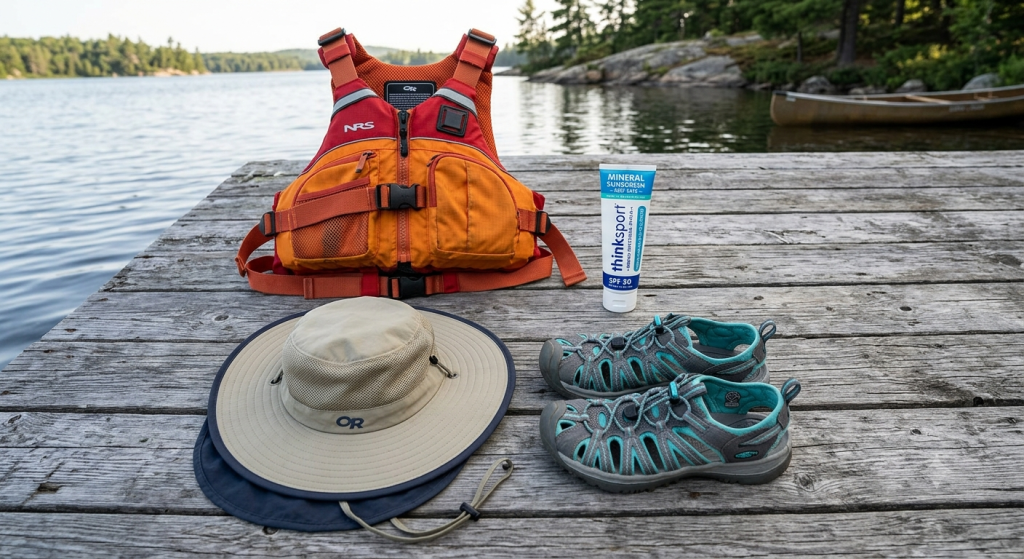
Life jacket fit matters more than usual. A standard PFD sits at your natural waist, which won’t exist for much of your pregnancy. Look for a jacket with side-adjustable straps and enough room across the belly to let you breathe deeply. Most tour operators, ours included, keep a range of sizes on hand for exactly this reason, but mention your stage of pregnancy when you check in so your guide grabs the right one before you’re already on the water.
Kayak choice matters too. A sit-on-top model beats a sit-inside kayak with a spray skirt, hands down. Spray skirts seal you into the cockpit, which works fine for an experienced paddler but becomes a genuine problem if you need to exit quickly. Every guided tour on Olowalu Beach already uses sit-on-top kayaks, so this isn’t something you need to request; it’s simply how ocean tours work here.
Beyond that, the list is mostly common sense with a pregnancy twist: more water than you’d normally bring, since pregnancy raises your fluid needs and Maui’s sun doesn’t take breaks; reef-safe sunscreen, since Hawaii restricts the sale of sunscreens containing oxybenzone and octinoxate; a wide-brimmed hat and polarized sunglasses; and a snack, because low blood sugar plus activity plus heat is a rough combination. Closed-toe water shoes help with the walk from the parking area to the launch, which is more uneven than it looks in photos.
Leave the ambition at the car. This isn’t the trip to try a roll, chase a personal-best pace, or explore water you haven’t paddled before.
Frequently Asked Questions About Kayaking While Pregnant
Is it safe to kayak while pregnant in the first trimester?
Usually, yes, on calm water and with your doctor’s clearance, but morning sickness and fatigue derail more first-trimester trips than any physical risk does. Judge how you feel that morning, not how you felt when you booked. If in doubt, ask your tour operator about rescheduling; most, Maui included, do it without a fee.
Is kayaking safe during pregnancy, or should I switch to something lower-impact?
Kayaking on flat, protected water is a reasonable moderate-intensity option for most uncomplicated pregnancies. If you’d rather skip the balance and entry-and-exit challenges altogether, swimming, walking, and prenatal yoga carry less fall risk and are worth considering, especially in the third trimester.
Can I go on a guided kayak tour while pregnant in Maui?
Yes. “Pregnant and kayaking” isn’t an unusual combination for Maui guides; we see it constantly, especially in the first two trimesters. Call ahead so your guide knows and can adjust pace, kayak assignment, and life jacket sizing before you arrive.
What happens if I feel dizzy or overheated during a kayak tour?
Tell your guide immediately. Every legitimate operator on Olowalu Beach will turn back or take a break the moment you say something feels off. Don’t wait until the end of the tour to mention it, and don’t worry about inconveniencing anyone by asking to stop.
Do I need a doctor's note to kayak while pregnant?
Most Maui tour operators won’t ask for paperwork, but it’s smart to loop in your OB before you book, especially past the second trimester. If your doctor hands you a note, bring it along; it can’t hurt, even though nobody’s checking for one at the kayak launch.
Is it safe to kayak during whale season if I'm pregnant?
Yes, with the same precautions that apply any time of year. Whale season, December 15 through May 15, brings more boat traffic and more whales in the water, but federal law already keeps every vessel 100 yards from whales, so the experience stays calm-water paddling with wildlife at a distance, not a close encounter.
What's the safest kayak setup for a pregnant paddler, tandem or solo?
Tandem, paddling with a guide or partner in the back seat. It’s more stable, someone else can take over if you get tired, and you’re never managing a problem alone on the water.
Can I snorkel instead of kayaking if I'm pregnant?
Yes, and it’s often the easier choice in the third trimester our Shoreline Snorkel tour skips the kayak part entirely. Snorkeling from shore skips the balance and entry-and-exit challenges of a kayak while still getting you in the water with the same sea turtles.
The Bottom Line
Kayaking while pregnant on Maui comes down to timing, water conditions, and honesty about how you’re actually feeling that day, not a blanket yes or no. Stick to the first two trimesters when you can, choose calm water like Olowalu Beach over anything with swell, and loop in your guide and your OB before you paddle out. Do that, and there’s no reason a growing belly should keep you off the water.
can you kayak while pregnant
can you kayak while pregnant
can you kayak while pregnant
can you kayak while pregnant
can you kayak while pregnant
can you kayak while pregnant
can you kayak while pregnant
can you kayak while pregnant
can you kayak while pregnant
can you kayak while pregnant, can you go kayaking while pregnant, can you do kayaking while pregnant, kayaking during pregnancy, is kayaking safe while pregnant, paddling while pregnant, pregnancy safe activities, water sports during pregnancy, kayaking in first trimester, kayaking in second trimester, kayaking in third trimester, pregnant women kayaking tips, is it safe to kayak in early pregnancy, outdoor activities for pregnant women, kayaking while expecting, sit-on-top kayak for pregnancy, exercising during pregnancy