

Quick Answer
The best places to snorkel in Maui in 2026 are:
- Molokini Crater – Best overall water clarity (visibility up to 150 ft), boat access only
- Honolua Bay – Best reef diversity, protected marine sanctuary
- Kapalua Bay – Best for beginners and families
- Maluaka Beach (Turtle Beach) – Best for swimming with sea turtles
- Olowalu (Mile Marker 14) – Best for reef size and variety
- Black Rock (Ka’anapali) – Best for easy access + turtle sightings
- Five Graves / Five Caves (Makena) – Best for advanced snorkelers
- Ahihi-Kinau Natural Reserve – Best for protected, crowd-free marine life
For beginners: Kapalua Bay is the top pick. For turtles: Maluaka Beach. For jaw-dropping visibility: Molokini Crater.
Why Maui Is the Best Hawaiian Island for Snorkeling in 2026
There’s a reason people come back to Maui’s waters again and again especially when exploring the best places to snorkel in Maui. You could spend a week here and snorkel a different spot every single day, and honestly, you still wouldn’t run out of things to see.
Maui sits at a geographical sweet spot in the Hawaiian chain. The island’s leeward (western and southern) coasts are naturally sheltered from trade winds and open-ocean swells for much of the year, creating calm, clear conditions ideal for getting your face in the water. Unlike the Big Island, where many of the best spots require rocky lava entries, Maui offers a rare mix of sandy entry points, protected bays, reef systems, and even a submerged volcanic crater accessible by boat making it home to some of the best places to snorkel in Maui for all skill levels.
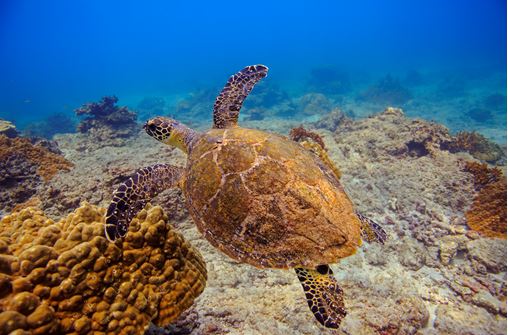
And when it comes to turtles the honu, as Hawaiians call the green sea turtle Maui genuinely delivers. The species is federally protected under the Endangered Species Act, meaning they’re not harassed or disturbed, which allows them to go about their daily business with spectacular indifference to the cameras pointed at them.
So yes, if you’re asking whether Maui is the best Hawaiian island for snorkeling for most travelers in 2026, the answer is a resounding yes. With such a wide variety of conditions and marine life, it’s no surprise that the best places to snorkel in Maui continue to draw visitors back year after year.
The 8 Best Places to Snorkel in Maui, Ranked
1. Molokini Crater — Best Overall (Boat Access Only)
Water Clarity: ⭐⭐⭐⭐⭐ | Turtles: ⭐⭐⭐⭐ | Beginner-Friendly: ⭐⭐⭐⭐
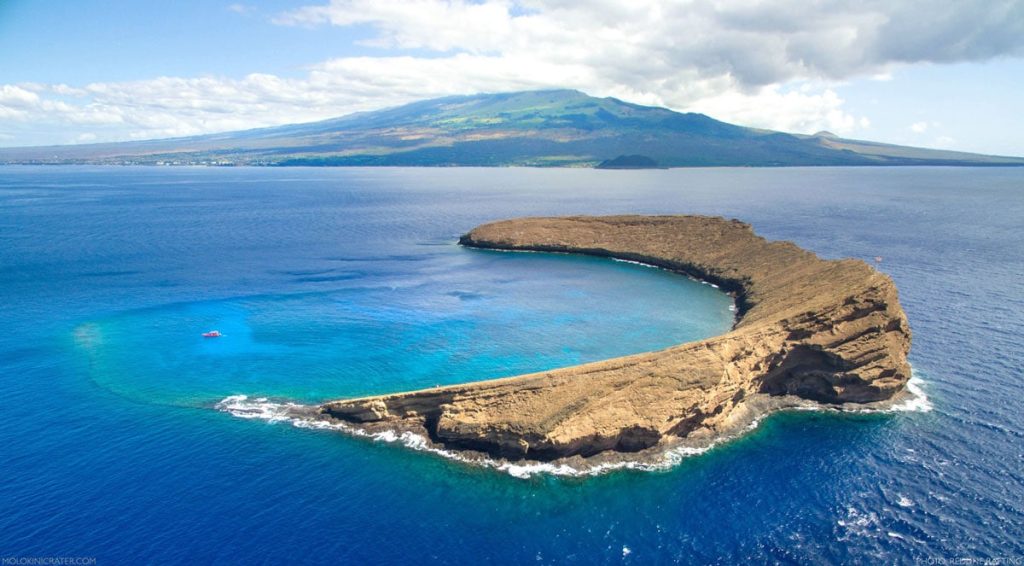
Three miles off Maui’s south shore, Molokini is a partially submerged volcanic caldera that looks from the air like a crescent moon resting on the Pacific. It is, without exaggeration, one of the finest snorkel sites on the planet.
Water visibility here regularly reaches 100 to 150 feet that’s not a typo. On a good morning, you can float on the surface and see the bottom clearly 15 stories below you. This happens because the crater’s shape naturally shelters the interior from silt, runoff, and wave disturbance. The result is a gin-clear column of water teeming with over 250 species of fish, many found only in Hawaiian waters.
Molokini is a Marine Life Conservation District and Bird Sanctuary, so nothing inside can be harvested. The reef reflects this status fully. Moorish idols, Achilles tang, enormous parrotfish, eagle rays, eels, white-tip reef sharks, and Hawaiian green sea turtles are all routine encounters here. If you snorkel Maui only once, make it Molokini.
What to know for 2026: Most morning tours depart from Mā’alaea Harbor around 7–8 AM and combine Molokini with an afternoon stop at Turtle Town. Book in advance, especially between December and April when whale season draws extra visitors to the water.
Who should go: Everyone. Even nervous first-timers tend to be utterly captivated because the water is calm, the gear is provided on tours, and the marine life is so dense you don’t have to go far from the entry point to see something incredible.
2. Honolua Bay — Best Reef Diversity
Water Clarity: ⭐⭐⭐⭐⭐ | Turtles: ⭐⭐⭐⭐ | Beginner-Friendly: ⭐⭐⭐
Located at the northern tip of West Maui, Honolua Bay is a protected marine sanctuary and arguably the most ecologically rich shore-accessible snorkel site on the island. To get there, you walk a short jungle trail overgrown, slightly otherworld and arrive at a bay edged with smooth lava stones rather than sand. There’s no beach here in the traditional sense, just clear, cold water and one of the most vibrant reef systems you’ll find anywhere in Hawaii.
Both sides of the bay host established coral reef systems. Peacock groupers, butterflyfish, yellow tang, Moorish idols, giant parrotfish, and occasional manta rays or octopus populate the underwater landscape. Turtles are spotted here too, particularly on the left side of the bay.
One distinctive quirk of Honolua Bay: because freshwater mixes with the saltwater at certain points, you’ll occasionally notice a shimmery, wavy distortion in the water like looking through heat haze. It looks strange but it’s perfectly natural, and kind of beautiful once you know what it is.
Best season: April through October when swells are low. Winter brings famous surf breaks to the right side of the bay, and on those days, snorkeling visibility drops significantly.
Entry tip: Use the old boat ramp on the right side to enter the water. The rocks are slippery go slowly, and don’t put your fins on until you’re actually floating.
3. Kapalua Bay — Best for Beginners & Families
Water Clarity: ⭐⭐⭐⭐ | Turtles: ⭐⭐⭐⭐⭐ | Beginner-Friendly: ⭐⭐⭐⭐⭐
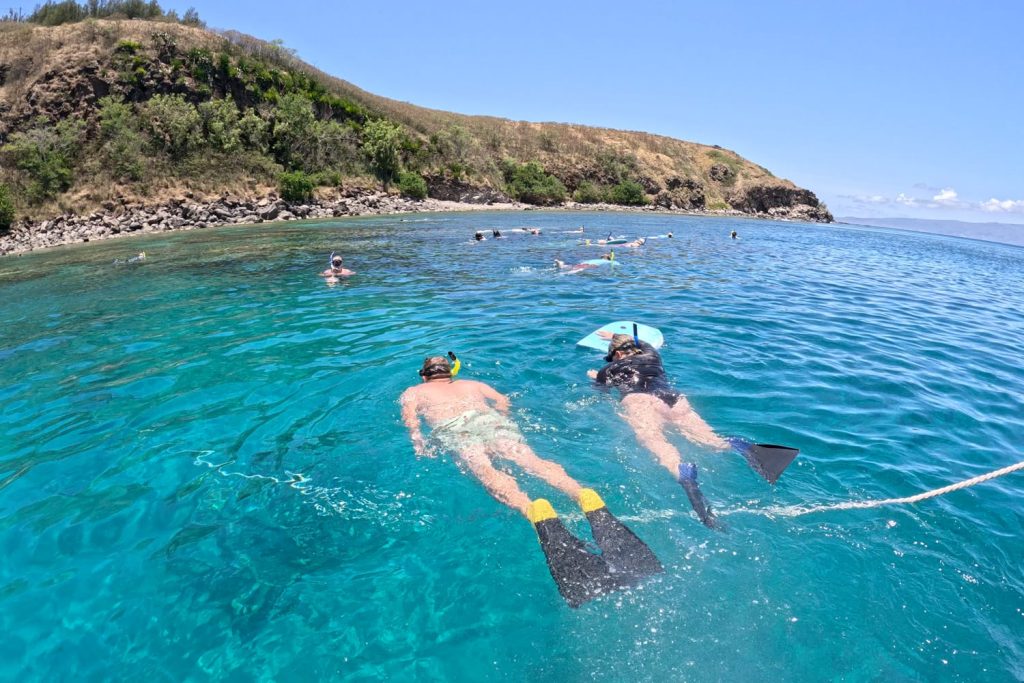
If you’ve never snorkeled before or you’re bringing children who haven’t Kapalua Bay is where you want to start. This crescent-shaped bay stays remarkably calm for most of the year, particularly in the morning hours, and the marine life begins almost immediately after you wade in. You barely need to put your face in the water before spotting something worth stopping for.
The left side (as you face the ocean) is sea turtle territory. The reef there is in excellent condition, and green sea turtles pass through regularly, drifting just below the surface with that characteristically unhurried grace that makes them so mesmerizing to watch. The right side is a fish community needlefish, baby parrotfish, humuhumunukunukuapua’a (Hawaii’s state fish), and several butterflyfish species.
Kapalua has a gently sloping sandy entry on the left side, making it perfect for getting children ready without the stress of waves or uneven footing. Restrooms and parking are available nearby.
Insider tip: If you’re staying in the Napili-Kapalua area, get to the bay right at sunrise. You’ll often have it almost entirely to yourself, and the light through the water at that hour is genuinely magical.
4. Maluaka Beach (Turtle Beach) — Best for Sea Turtles
Water Clarity: ⭐⭐⭐⭐ | Turtles: ⭐⭐⭐⭐⭐ | Beginner-Friendly: ⭐⭐⭐⭐
Maluaka Beach doesn’t look like much from the road. The parking lot is shaded, the beach is small, and there’s no resort backdrop to signal that something special is happening here. But into the water you go, head over to the rocks on the right side of the beach, and almost every time there they are. Hawaiian green sea turtles, gliding slowly through shallow water, surfacing for air, going about their ancient business.
This beach, also commonly called Turtle Beach, sits just south of the historic Keawala’i Congregational Church on the Makena coast. It’s genuinely one of the most reliably turtle-rich shore snorkel spots in all of Hawaii. Local snorkelers return here week after week and almost never come up empty.
Beyond turtles, the reef hosts needlefish, manini, brown surgeonfish, humuhumunukunukuapua’a, and colorful wrasses. The entry is sandy and approachable. The crowd level, even on busy days, tends to be lighter than at more marketed spots further north which makes the whole experience feel more intimate and less like a theme park.
Important reminder: Federal law prohibits approaching, touching, or disturbing sea turtles. Stay at least 10 feet away, and absolutely never chase them. The fine is substantial and, more importantly, it’s just the right way to behave around a protected species.
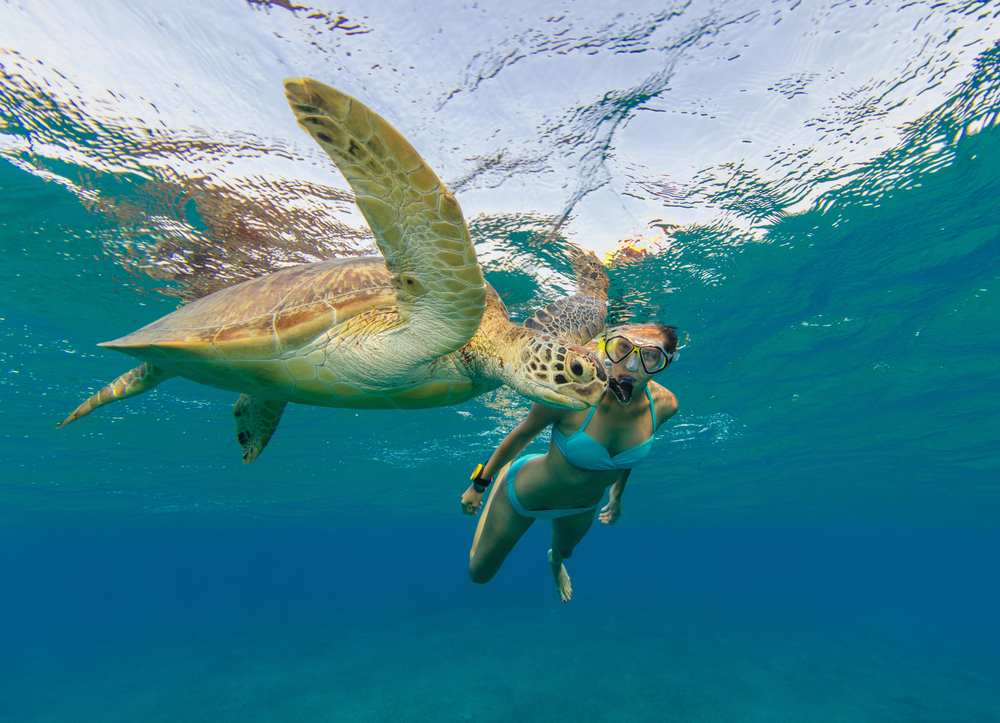
5. Olowalu (Mile Marker 14) — Best for Reef Scale
Water Clarity: ⭐⭐⭐⭐ | Turtles: ⭐⭐⭐⭐ | Beginner-Friendly: ⭐⭐⭐⭐
Olowalu is home to a 450-acre reef system, one of the oldest in the Hawaiian Islands some of its coral formations are estimated to be around 500 years old.
That scale matters for snorkeling. You can explore left, right, and outward for a long stretch and keep encountering new formations, new fish communities, new creatures. Parrotfish, sergeant majors, black triggerfish, goatfish, and ornate butterflyfish are everywhere. The reef also shelters some rare residents hawksbill turtles (rarer than green sea turtles), manta rays, octopus, and eels all make appearances here.
The entry strategy at Olowalu is a bit different from other spots. From shore, look for lighter turquoise patches among the darker reef coloration. Those light channels are sandy bottom walk in through one of those to avoid stepping on coral, then follow the channel out to deeper water.
Note for 2026: Olowalu has been under discussion in recent years regarding reef health and protection measures. Always check for any updated conservation guidelines before your visit, and reef-safe sunscreen is not optional here it’s a genuine act of care for a 500-year-old ecosystem.
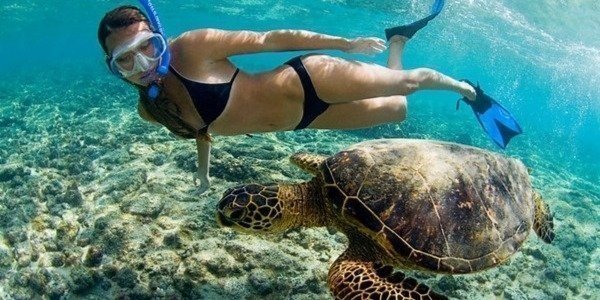
6. Black Rock (Ka'anapali Beach) — Best for Easy Access
Water Clarity: ⭐⭐⭐⭐ | Turtles: ⭐⭐⭐⭐ | Beginner-Friendly: ⭐⭐⭐⭐⭐
Right off Ka’anapali Beach, in the shadow of the Sheraton Hotel, Black Rock known in Hawaiian as Pu’u Keka’a is probably Maui’s most accessible snorkeling experience for resort guests. You walk out from your hotel, wade in near the rock formation, and within a few minutes you’re swimming alongside trumpetfish, surgeonfish, and schools of goatfish hovering lazily near the bottom.
The lava rock formation itself is the engine of the ecosystem here. Fish shelter in the crevices, sea turtles rest on ledges, and during whale season (December through April) you can actually hear humpback whale song vibrating through the water a genuinely surreal experience that no video clip quite captures.
There is also a small cove around the north side of Black Rock that holds its own little universe. Worth the extra swim if you have the energy.
Be aware: This is one of the busiest snorkel spots on the island, especially midmorning. Arrive by 8 AM if you want some breathing room. Current can push northward, so keep track of your position relative to the shore.
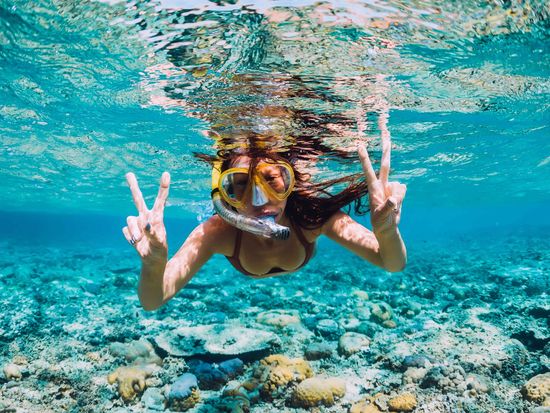
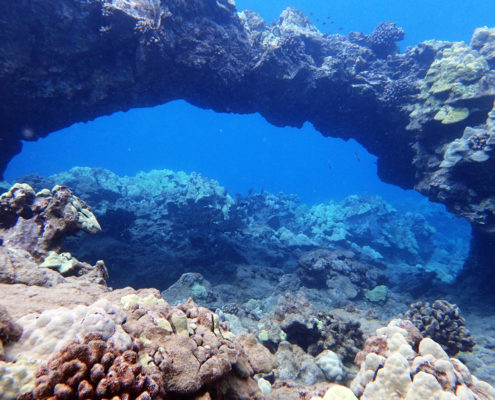
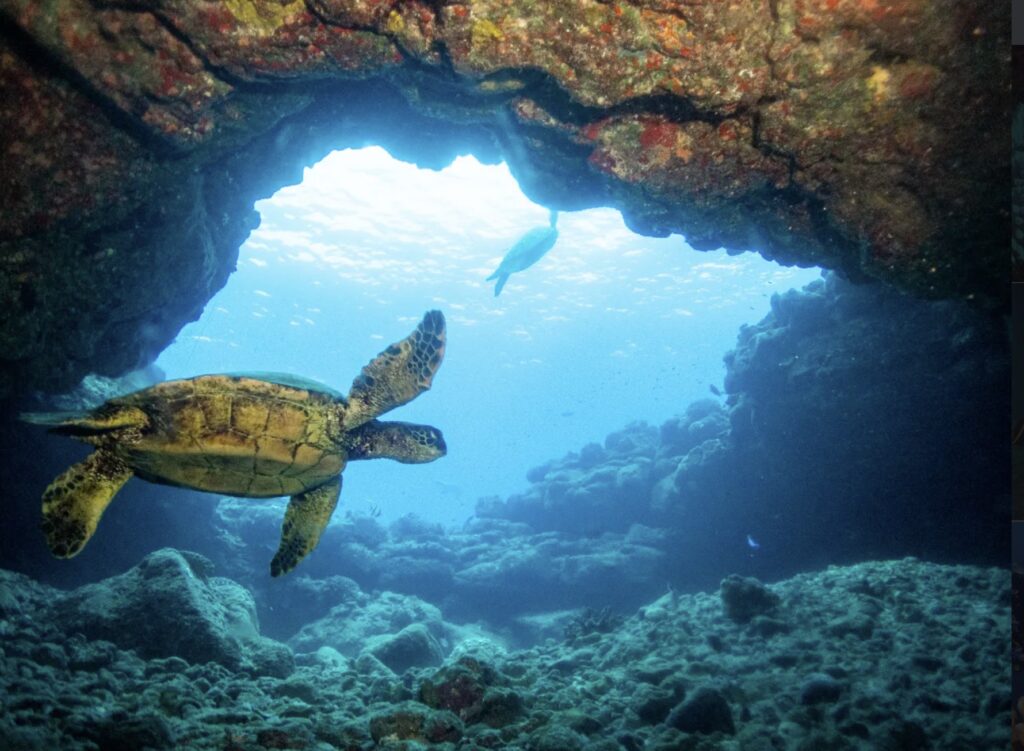
7. Five Graves / Five Caves (Makena) — Best for Advanced Snorkelers
Water Clarity: ⭐⭐⭐⭐⭐ | Turtles: ⭐⭐⭐⭐⭐ | Beginner-Friendly: ⭐ (advanced only)
The name Five Graves comes from the small Hawaiian cemetery near the access path. It’s mildly ominous, which somehow fits this is not a beach for casual dippers. The entry into the water is a rocky challenge, the swim to the prime reef is substantial, and the ocean here moves with purpose.
But for those with the conditioning and experience to handle it, Five Graves is arguably the most spectacular shore-snorkel on Maui. Sea turtles are abundant. The fish list reads like a field guide highlight reel: unicornfish, trumpetfish, soldierfish, boxfish, tobies, large schools of yellow tang, Hawaiian cleaner wrasse, goatfish, and nudibranchs. Whitetip reef sharks are spotted here regularly. Pincushion sea stars dot the seafloor. On an exceptional day, scorpionfish lurk near the bottom in their extraordinary camouflage.
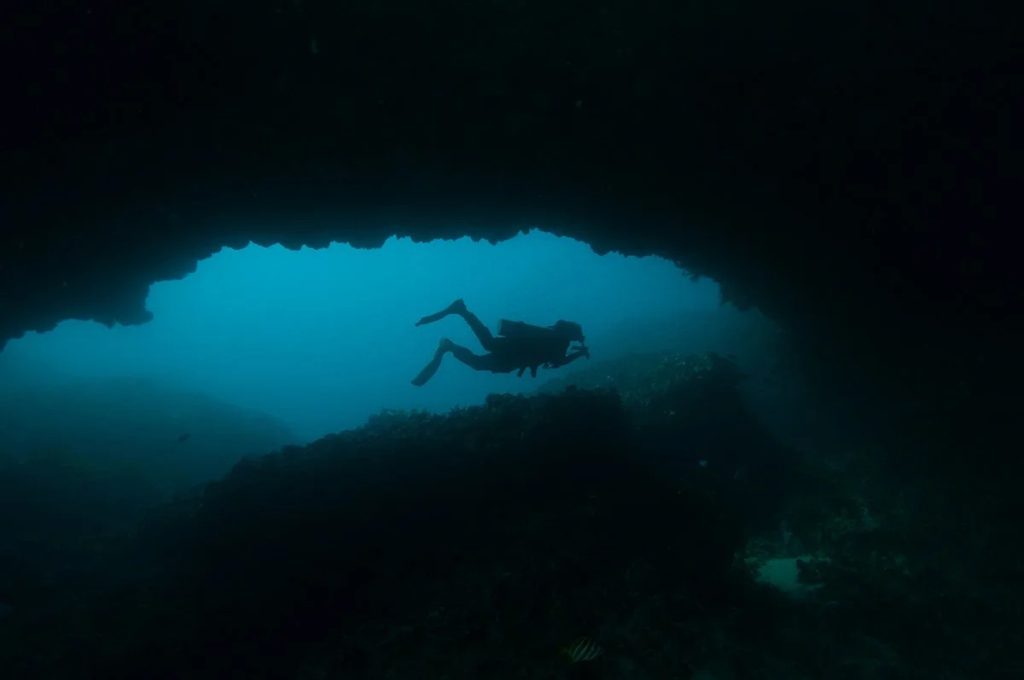
The caves themselves are deep snorkelers can see their openings but shouldn’t enter them. If you scuba dive, this site takes on another dimension entirely.
Entry: Walk down the access path and take the far right fork to a small natural cove. A rock ledge on the right side functions as a step-in point. It’s slippery. Take your time. Get in, then swim left toward the reef.
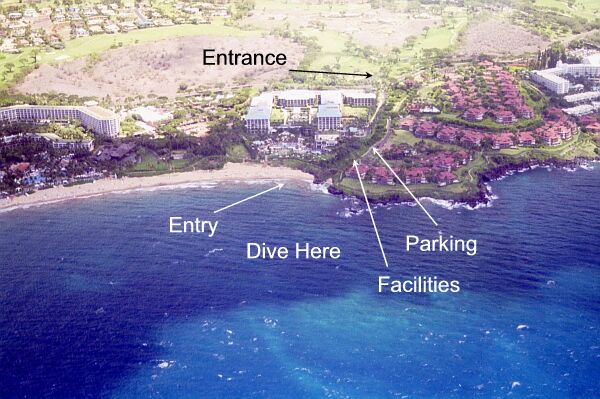
8. Ahihi-Kinau Natural Area Reserve — Best Protected Marine Environment
Water Clarity: ⭐⭐⭐⭐ | Turtles: ⭐⭐⭐⭐ | Beginner-Friendly: ⭐⭐⭐⭐
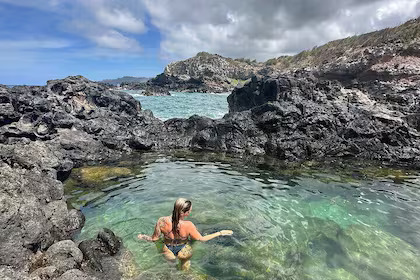
Ahihi-Kinau is a state Natural Area Reserve protecting both the marine and terrestrial ecology of this dramatic black lava coastline south of Makena. Because the waters here are fully protected no fishing, no collection of any kind the fish are bigger, bolder, and more numerous than in many comparable spots.
Peacock groupers, parrotfish, black triggerfish, brown surgeonfish, and dense schools of manini all congregate here. Baby parrotfish are especially common, the reef functioning as a nursery. Sea turtles, spotted eagle rays, and eels add to the regular cast.
The bay itself is small and relatively calm, and you don’t need to venture far beyond it to have a rewarding experience. The best entry is on the right side of the bay, near a low concrete platform in shallow water.
Practical note: Parking at Ahihi-Kinau is limited and fills up fast on weekends and holidays. Plan to arrive before 8 AM or visit on a weekday. There is no sandy beach and very limited shade, so pack accordingly.
2026 Snorkeling Spot Comparison
When stacking all eight spots side by side, a clear pecking order emerges depending on what matters most to you.
- Molokini Crater- leads on water clarity with unmatched 100–150 ft visibility and reliable turtle sightings, though it requires a boat tour and advance booking best visited year-round.
- Honolua Bay- matches it on clarity and reef richness, ideal between April and October, with free parking but a rocky entry that makes it better suited for intermediate swimmers.
- Kapalua Bay and Black Rock are the twin stars for beginners: both offer sandy entries, consistent turtle encounters, year-round calm conditions, and easy parking Kapalua edges ahead on turtle frequency, while Black Rock wins on resort convenience.
- Maluaka Beach- is in a league of its own for turtle sightings from shore, quieter than most spots, with free shaded parking and a gentle entry accessible year-round.
- Olowalu- stands out for its sheer reef scale 450 acres of some of Hawaii’s oldest coral rewarding patient explorers who visit in the morning when visibility peaks.
- Ahihi-Kinau- delivers some of the most pristine protected waters on the island, though limited parking makes early arrival essential.
- Finally, Five Graves sits at the top for advanced snorkelers seeking an extraordinary, uncrowded experience with a staggering marine cast but its rocky entry, strong currents, and long swim make it strictly off-limits for beginners.
Best Time of Year to Snorkel in Maui
This is one of the most common questions visitors have, and the answer is more nuanced than you might expect.
- April through October is generally considered Maui’s peak snorkeling season. Trade winds calm down, the ocean on the south and west shores settles into an almost glassy stillness in the mornings, and water visibility tends to be at its annual best. If you have flexibility in when you visit, this window is hard to argue with.
- November through March isn’t bad it’s just more variable. North and northwest swells arrive during this period, which closes spots like Honolua Bay and Slaughterhouse to snorkelers and opens them up to surfers. South-facing beaches like Maluaka, Olowalu, and the Wailea coast remain protected and often snorkeling-ready even in winter. And winter brings its own bonus: humpback whales. Hearing whale song while your head is underwater at Black Rock is one of those experiences that stays with you.
- Regardless of season, mornings are almost always better than afternoons. Trade winds typically pick up between 10 AM and noon, creating surface chop and reducing visibility. For the clearest water and calmest conditions, be in the ocean by 8 AM.
What to Bring Snorkeling in Maui (2026 Checklist)
You don’t need a lot but what you bring matters.
Gear: A well-fitted mask is everything. Rental gear works perfectly fine; places like Snorkel Bob’s offer weekly rentals that are very economical. If you’re buying, a quality silicone-skirted mask and a dry-top snorkel tube will make the experience dramatically more comfortable.
Reef-safe sunscreen: This is no longer optional in Hawaii. Act 104, Hawaii’s reef-safe sunscreen law, bans sunscreens containing oxybenzone and octinoxate statewide. Look for mineral sunscreens using zinc oxide or titanium dioxide. These are better for your skin anyway, so it’s genuinely a win.
Water shoes or fins: For rocky entry spots like Honolua Bay, water shoes help enormously. Fins give you better maneuverability and reduce fatigue on longer swims.
Rashguard or wetsuit top: The Pacific in Hawaii feels warm compared to most ocean swimming, but water temperatures can drop into the low 70s °F (around 22°C) in winter. A thin rashguard also protects your back from sun exposure while you’re face-down in the water.
Underwater camera: A waterproof action camera or even a smartphone in a waterproof case will let you capture what you see. Photos genuinely cannot capture the experience, but you’ll want to try.
Sea Turtle Etiquette — What You Need to Know
Maui’s Hawaiian green sea turtles (honu) are protected under the U.S. Endangered Species Act and the Marine Mammal Protection Act. Violations carry fines up to $50,000 and potential jail time. But beyond the legal consequences, there are simple ethical reasons to give turtles space.
Keep at least 10 feet of distance. Never touch, chase, or attempt to ride a turtle (yes, this happens). Don’t block a turtle’s path to the surface they need to breathe. If a turtle swims toward you out of curiosity, stay still and let it come. That’s the best interaction you can have: one initiated by the animal, on its terms.
Turtles that appear to be resting on the seafloor are not sick they sleep underwater regularly and can hold their breath for several hours. Leave them be.
Is Maui the Best Hawaiian Island for Snorkeling?
People ask this one a lot, and it depends on what you’re after.
The Big Island (Kona coast) has extraordinary snorkeling, particularly for night manta ray experiences and the protected waters at Kealakekua Bay, which may actually have more diverse reef life than anywhere on Maui. But accessibility is harder, distances between spots are longer, and many entries are over lava.
Kauai has dramatic, wild beauty the Na Pali coast boat snorkels in particular are breathtaking but shore snorkeling options are more limited, and the north shore is often inaccessible in winter.
For the combination of variety, accessibility, beginner-friendliness, number of excellent spots within short driving distance of most accommodations, and reliable turtle encounters, Maui wins for most travelers. The addition of Molokini Crater as a boat-accessible world-class site cements the advantage.
If pure marine biodiversity and the manta ray experience are your priority, the Big Island has an argument. For most people planning a Hawaiian vacation in 2026, Maui remains the best all-around choice for snorkeling.
“For a full island-by-island breakdown, [our complete guide to the best Hawaiian island for snorkeling] compares every option so you can decide what suits your trip best.”
2026 Updates: Things That Have Changed
Lahaina fire recovery: The August 2023 Lahaina wildfire affected several areas of West Maui’s tourism infrastructure. As of 2026, most snorkeling access points in west Maui have recovered, and boat tours are operating normally from Ma’alaea Harbor. Always verify current conditions with your tour operator before booking.
Reef-safe sunscreen enforcement: Hawaii has increased public education around reef-safe sunscreen compliance. Rental shops and tour operators actively remind visitors of the requirements.
Drone regulations near wildlife: The FAA and DLNR have continued tightening restrictions on drone use near sea turtles, dolphins, and whale activity zones in Hawaiian waters. Drone operators need to be aware of current rules before flying near snorkel sites.
Frequently Asked Questions
Q: What is the best snorkeling spot in Maui for beginners? Kapalua Bay is the top choice for first-timers. It has calm water most of the year, a gentle sandy entry, clear visibility, and sea turtle encounters on the left reef. Black Rock at Ka’anapali Beach is a close second, especially if you’re already staying in that area.
Q: Where is the best place to snorkel with sea turtles in Maui? Maluaka Beach (Turtle Beach) in south Maui gives you the most consistent and intimate turtle encounters from shore. Kapalua Bay, Wahikuli Wayside Park, and the Turtle Town stop on Molokini boat tours are also excellent.
Q: Is Molokini Crater worth the cost? Yes, for most people. The water clarity is unlike anything you’ll find from shore, the protected reef ecosystem is extraordinary, and the boat ride itself is a treat. Prices in 2026 typically run $100–$160 per person for a morning tour including Turtle Town. Book early popular tours sell out weeks ahead during peak season.
Q: Is it safe to snorkel in Maui? Generally yes, but ocean safety requires constant awareness. Always check conditions before entering most spots can become rough with little warning when wind or swell picks up. Never snorkel alone. Know your swimming ability honestly and don’t overextend yourself. Currents can be strong even at seemingly calm beaches. If conditions look questionable, choose a different spot or a different day.
Q: What fish will I see snorkeling in Maui? The most commonly spotted species include the humuhumunukunukuapua’a (Hawaii’s triggerfish state fish), yellow tang, Moorish idol, various butterflyfish and parrotfish, surgeonfish, trumpetfish, needlefish, sea turtles, and occasionally eels, octopuses, and eagle rays. At Molokini, reef sharks and manta rays are also possibilities.
Q: Do I need to rent snorkel gear or should I bring my own? Either works. Rental gear from shops like Boss Frog’s or Snorkel Bob’s is affordable, clean, and well-maintained a weekly rental often costs less than one night’s accommodation. If you snorkel frequently on trips, owning your own properly fitted mask is worth the investment.
Q: Are there any snorkel spots accessible from Lahaina in 2026? Some west Maui access points have been affected by ongoing recovery and reconstruction in the Lahaina area. As of 2026, many are accessible again, but the landscape has changed. Check locally or with your accommodation for the most current situation.
Q: Can kids snorkel at these spots? Absolutely with the right spot and conditions. Kapalua Bay, Baby Beach (Lahaina), Napili Bay, and Kamaole Beaches I–III are all excellent for children. Avoid Five Graves, Honolua Bay (in choppy conditions), and La Perouse Bay with young or inexperienced swimmers.
Final Thoughts
Maui’s snorkeling in 2026 is as good as it has ever been. Conservation efforts, reef protection laws, and the sheer abundance of diverse sites across the island make it one of the finest places in the world to put a mask on and see what lives beneath the surface.
Whether you’re a first-time snorkeler stepping cautiously into Kapalua Bay’s glassy shallows, a turtle obsessive who will station themselves off Maluaka Beach every single morning, or an experienced underwater explorer heading to Five Graves or Molokini for a proper adventure the island has something that will stop you in your tracks.
The ocean here is alive in a way that genuinely surprises people who’ve only seen photos. Go in the morning. Use reef-safe sunscreen. Give the turtles their space. And bring an underwater camera, because no one will believe you otherwise.
Found this guide helpful? Share it with someone planning a Maui trip. The reefs thank you for sending people in informed.