
Quick Answer: No, March is NOT too late for whale watching in Maui but you’re cutting it close. Humpback whales typically visit Hawaiian waters from November through May, with peak activity in January and February. In March, whales are still present and active, though numbers begin tapering off mid-to-late month as they start their migration back to Alaska.
There’s a specific kind of panic that hits travelers when they realize they’ve booked a Maui trip in March and start Googling whether they’ve missed the whales. I get it. You’ve seen the jaw-dropping photos a 40-ton humpback breaching right off the coast of Lahaina, water cascading off its massive body and you desperately want that experience.
Here’s the truth: March is still a solid month for whale watching in Maui. It’s not peak season, but it’s far from a bust. Whether you’ll witness the full spectacle depends on timing, where you go, and honestly, a little luck.
Let me break it all down for you.
When Do Humpback Whales Actually Visit Maui?
Humpback whales migrate to Hawaiian waters every winter to breed, give birth, and nurse their calves. The warm, shallow waters of the Maui Nui Basin the ocean area between Maui, Moloka’i, Lana’i, and Kaho’olawe are one of the most important humpback whale habitats on the planet.
The general season runs November through May, but whale density follows a clear bell curve:
- November–December: Early arrivals, low numbers
- January–February: Peak season highest whale density, most activity
- March: Still active, numbers declining after mid-month
- April–May: Late stragglers, mostly mothers with calves
So if you’re visiting Maui in early-to-mid March, you’ve still got a genuinely strong shot at incredible whale watching. The first two weeks of March often feel nearly indistinguishable from late February in terms of whale activity.
What Makes March Whale Watching in Maui Different?
Here’s something most travel blogs won’t tell you: March has a few surprising advantages over peak season.
Fewer crowds on the boats. February is the most popular month for whale watching tours in Maui. By March, visitor numbers start to thin out. That means smaller groups, more relaxed tours, and sometimes better prices on excursions.
More mature behaviuor to observe. By March, calves born in January and February are growing fast and becoming more active. You’ll often see mother-calf pairs which is genuinely one of the most moving wildlife experiences available anywhere in the U.S.
Competitive male behaviuor continues. Humpback males compete aggressively for females throughout the season. These “heat runs” where groups of males chase a single female can last for hours and produce some of the most dramatic whale watching moments imaginable. They continue well into March.
The tradeoff? By late March, you might go on a tour and see only two or three whales rather than the dozen or more you could spot in peak February. The lottery gets a little less favourable, but it’s still absolutely worth buying a ticket.
Best Spots for Whale Watching in Maui in March
You don’t need to venture far offshore. Maui is uniquely positioned for whale watching because the Maui Nui Basin is relatively shallow about 300 feet deep which is ideal humpback habitat.
Lahaina Harbor is the classic departure point for most whale watching tours. Even before you board a boat, standing on the harbor wall in early March can yield sightings. Locals joke that you can sometimes spot spouts from the Starbucks on Front Street.
Ma’alaea Harbor on the south-central coast is another popular launch point. Tours from here often head toward the channel between Maui and Lana’i, which is consistently productive throughout March.
Maalaea Bay and the West Maui shoreline are excellent for shore-based whale watching. Pack binoculars, find a high vantage point along the Honoapiilani Highway, and scan the water. You might be surprised what you see without ever getting on a boat.
Kaanapali Beach is another reliable shore-watching spot. The open ocean views from the beach and from the Black Rock headland give you wide sightlines during whale watching season.
Choosing a Whale Watching Tour in Maui
This is where a lot of first-timers leave money on the table. Not all whale watching tours in Maui are equal, and in March specifically, choosing the right one matters more than in peak season.
What to look for:
- NOAA-permitted naturalists on board. The best tours have certified naturalists who not only help spot whales but explain the behaviuor you’re seeing. This transforms a boat ride into an actual educational experience.
- Smaller vessel options. Smaller boats (zodiac-style or catamarans under 50 feet) can maneuver more responsively when whales are sighted. They feel more immersive.
- Morning departures. Ocean conditions in Maui are typically calmer before noon. Morning tours also tend to have better whale activity, especially in March when remaining animals are feeding up energy for migration.
- Whale guarantee policies. Many reputable operators offer a “whale sighting guarantee” if you don’t see whales, you get a free return trip. In March, having this policy in your back pocket is worth something.
Some popular and well-reviewed operations departing from Lahaina and Ma’alaea have been running whale watching tours for decades. Pacific Whale Foundation, for example, is a nonprofit that’s been operating in Maui since 1980 and contributes whale research data from every single trip.
What Behaviours Can You Expect to See in March?
This is the fun part. Humpback whales in Hawaiian waters aren’t just floating around. They’re actively engaged in some of the most dramatic behaviors in the animal kingdom.
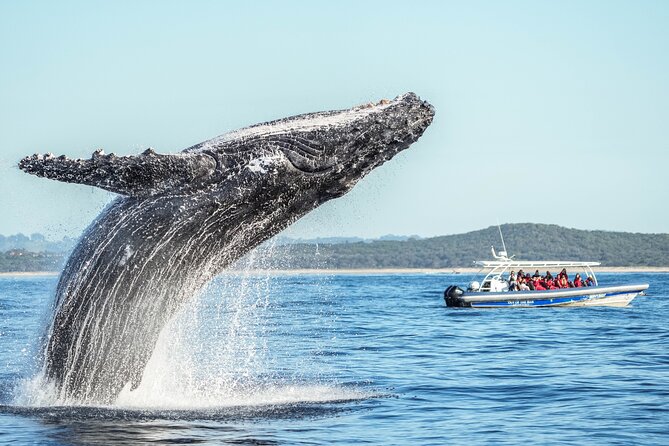
Breaching — when a whale launches its entire body out of the water is the bucket-list moment. No one fully understands why they do it. Communication, parasite removal, showing off. Whatever the reason, watching a 45-foot, 40-ton animal go airborne never gets old. Breaching happens throughout the season, including March.
Pec slapping — smacking a pectoral fin against the water surface is another common behaviour. You’ll often hear the crack before you see the splash.
Tail lobbing (peduncle throws) involves the whale heaving its tail section out of the water and slamming it down. It’s aggressive, loud, and mesmerizing.
Spy hopping — when a whale pokes its head vertically out of the water to look around is quieter but somehow even more eerie and intimate.
Singing. Male humpbacks sing complex, evolving songs during breeding season. You can actually hear this if your tour operator drops a hydrophone into the water. In March, males are still singing. That sound low, moaning, endlessly strange is something that sticks with you.
Tips to Maximize Your March Whale Watching Experience
Book early in your trip, not at the end. If you’re in Maui for a week starting March 10th, book your whale watching tour for day two or three, not day six. If the first tour is underwhelming, you have time to book a second one.
Go twice if you can. Seriously. Whale watching in Maui is one of those experiences where the second time is often dramatically better than the first, because you know what to look for and you’re less anxious about whether you’ll see anything.
Check the weather and seas. Whale watching in March can occasionally be affected by stronger trade winds and higher swells. Calmer days produce better sighting conditions. Your tour operator will communicate cancellations, but it’s worth tracking the forecast yourself.
Bring layers. It sounds odd for Maui, but out on the water in the early morning in March, the wind can be surprisingly cool. Bring a light jacket you don’t mind getting a little wet.
Leave the zoom lens at home. Whales surface unpredictably and move fast. A long telephoto lens that requires precise framing often results in missed shots. A wide-angle or mid-range lens, or even a modern smartphone, will serve you better.
Shore Watching: The Underrated Option
One thing that distinguishes Maui from most whale watching destinations is that you genuinely don’t need a boat. During whale watching season in Maui including March shoreside sightings are common enough that locals barely look up anymore.
The stretch of coast between Lahaina and Kapalua, viewed from the highway, is remarkable. Pull off at any of the designated lookout points, sit on the seawall, and watch. Many visitors report their best whale watching moment of the entire trip happened from a beach chair with a mai tai in hand.
The Pacific Whale Foundation operates a free shore-based whale count each year (usually in February, though data collection continues). Volunteers tally every sighting from fixed points around Maui and the numbers are always staggering.
The Honest Verdict on March Whale Watching in Maui
Look, if someone tells you March is “too late” for whale watching in Maui, they’re either selling tickets for a different destination or they’re just wrong.
Early March? You’re still in season. Legitimately great whale watching is absolutely possible, and on a good day calm seas, morning light, a cooperative pod you’ll have a story you tell for the rest of your life.
Mid-to-late March? The odds shift. Whale density drops noticeably after around March 20th in most years, though warm El Niño years sometimes push the season later. You might see plenty. You might see two or three. You won’t see nothing.
April? That’s when the calculus genuinely changes, though even then, late-departing whales and mother-calf pairs make tours worth taking through April.
The bottom line is this: if you’re heading to Maui in March and whale watching is on your list, go for it. Don’t let timing anxiety talk you out of one of the most spectacular wildlife experiences accessible to American travelers. The Hawaiian Islands are the only place in the U.S. where you can reliably see humpback whale behavior at this scale, this close to shore.
The whales are there. March just means you earned the sighting a little more.
Plan your whale watching tour early, go in the morning, bring your curiosity, and skip the telephoto lens. March in Maui has a way of surprising people usually in the best possible way.